Examining the validity, SC directs notice on PIL challenging Polygamy and Nikah Halala
New Delhi, March 26: Sighting to examine the constitutional validity of polygamy and nikaah halala among women, the Supreme Court on Monday decided to direct and sought the views of the Union government and the Law Commission on the practices.
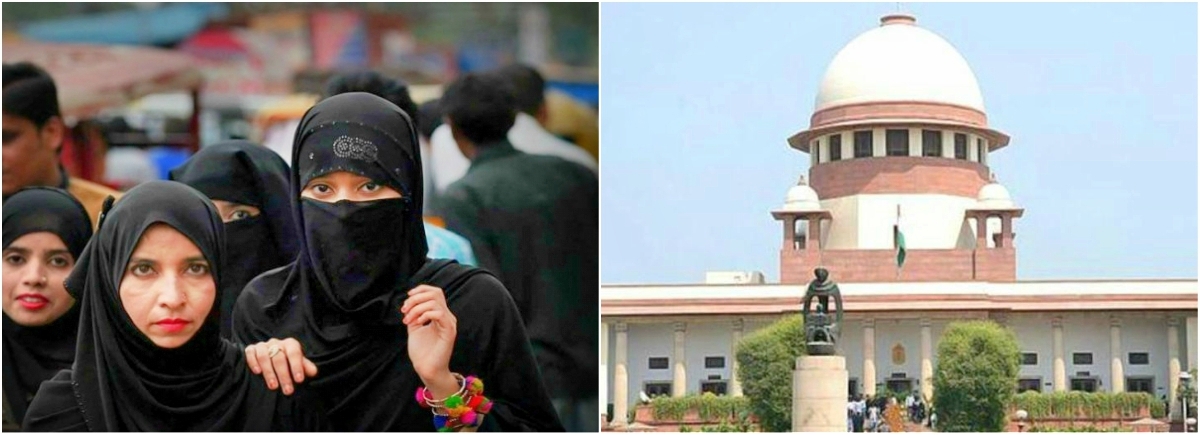
Initializing and augmenting the need to look over the practice of Polygamy and Nikaah Halala, a PIL (Public Interest Litigation) was filed by advocate and BJP Spokesperson Ashwini Upadhyay in Supreme Court to ban the practices to protect the rights of Muslim women.
The three-judge bench, comprising CJI Dipak Misra and Justices AM Khanwilkar and DY Chandrachud, took note that the previous five-judge bench had kept open issues of polygamy and ‘nikah halala’ while abolishing triple talaq. By a majority of 3:2, a five-judge constitution bench had earlier last year held triple talaq as unconstitutional.
The bench was hearing at least three petitions including some PILs regarding the practices of polygamy and nikah halala on various grounds including that they violate Right to Equality and gender justice. In one of the petitions moved March 14 to the apex court, a woman, who claimed to be a victim of such practices, contended that the Muslim personal law rendered Section 494 (marrying again during the lifetime of husband or wife) of the IPC inapplicable to Muslims and no married woman from the community can file a complaint against her husband over bigamy.
The petition filed through BJP leader and advocate Ashwani Upadhyay had said, “This is in blatant contravention of Articles 14 (equality before law), 15 (prohibition of discrimination on grounds of religion, race, caste, sex or place of birth) and 21 (right to life and personal liberty) of the Constitution.”
“The practice of polygamy is neither harmonious with the modern principles of human rights and gender equality, nor an integral part of Islamic faith,” the plea said.
What is Polygamy?