Assistive technologies for active participation to communicate and interact with people with Autism
New Delhi, April 2: World Autism Awareness Day, WAAD is celebrated on the 2nd of April globally with the goal of spreading awareness about Autism Spectrum Disorder (ASD). The theme of this year’s WAAD is “Assistive Technologies, Active Participation” access to technology is crucial for improving the lives of people living with any form of disability including autism, ensuring their basic human rights and cutting out the obstructions they face in living as an integral part of the mainstream society. 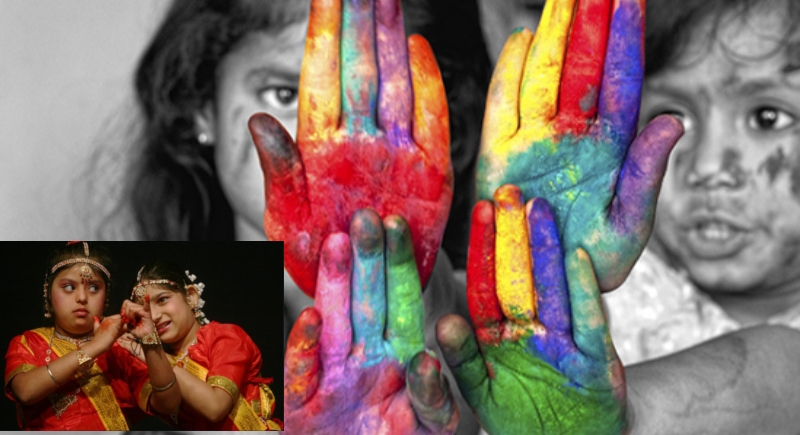
Autism Spectrum Disorder (ASD), a developmental disorder which impairs the communication and social interaction skills of an individual. This year, WAAD is being organized by the UN Department of Global Communications and the Department of Economic and Social Affairs, along with other organisations that represent individuals living with autism.
"On World Autism Awareness Day, we speak out against discrimination, celebrate the diversity of our global community and strengthen our commitment to the full inclusion and participation of people with autism. Supporting them to achieve their full potential is a vital part of our efforts to uphold the core promise of the 2030 Agenda for Sustainable Development: to leave no one behind." Secretary-General António Guterres
Autism awareness has grown worldwide in recent years. For the United Nations, the rights of persons with disabilities, including persons with autism, as enshrined in the Convention on the Rights of Persons with Disabilities (CRPD), are an integral part of its mandate.
The participation of persons with autism as both agents and beneficiaries is essential for the realization of the Sustainable Development Goals (SDGs).
In 2008, The United Nations General Assembly unanimously declared 2 April as World Autism Awareness Day.
For many people on the autism spectrum, access to affordable assistive technologies is a prerequisite to being able to exercise their basic human rights and participate fully in the life of their communities, and thereby contribute to the realization of the SDGs. Assistive technology can reduce or eliminate the barriers to their participation on an equal basis with others.
Participation of people living with autism is a must for attaining UN’s 2030 Agenda for Sustainable Development, adopted in 2015. The agenda upholds this commitment of the global community among others, no one should be left behind.