Willful to sinew extant tenancy law, Punjab sets up a sub-committee for detailed audit of Punjab Land Leasing-Tenancy Bill, 2019
Total Views |
Chandigarh, July 31: Viewing to examine all aspects of the proposed Punjab Land Leasing and Tenancy Bill, 2019 that seeks to repeal six existing tenancy laws, the state cabinet on Tuesday headed by CM Capt Amarinder Singh, decided to set up a sub-committee, further deciding over its terms and tenure.
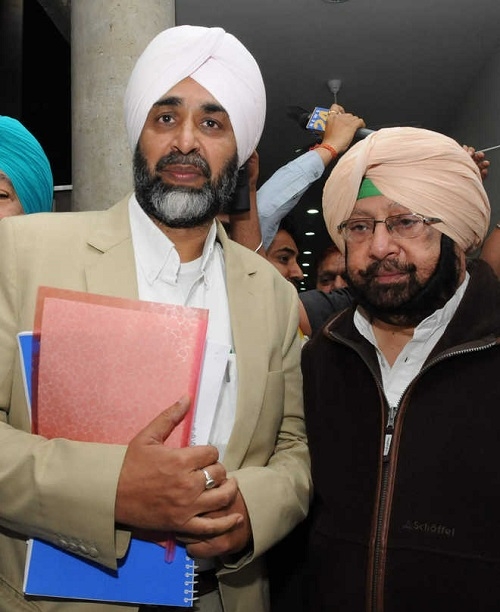
Announcing Finance Minister Manpreet Badal as the committee head, CM Singh posted Social Security Minister Aruna Chaudhary and Revenue Minister Gurpreet Singh Kangar as its other members.
The proposed bill aims to repeal the six existing tenancy laws to bring in major reforms in matters of leasing of agricultural land in the state. It seeks to balance the rights and responsibilities of landowners and tenants, besides providing a process of fast adjudication for resolution of disputes.
“The introduction of this transparent land-leasing law would allow the landowner to enter into a written contract with the potential tenant without the fear of losing the land. It also incentivises the tenant to make long term investments to improve the land and get access to credit and subsidies”, the statement read.

“The bill has been necessitated by the changing agrarian relations in recent years, which has transformed the concept of traditional tenancy to a primarily commercial one”, it added further.
However, the existing laws set to be repealed with the new proposed legislation are :
The Punjab Tenancy Act, 1887
The Punjab Occupancy Tenants (Vesting of Proprietary Rights) Act, 1952
The Pepsu Occupancy Tenants (Vesting of Proprietary Rights) Act, 1953
The Punjab Colonisation of Government Lands Act, 1912
The Punjab Security of Land Tenures Act, 1953
The Pepsu Tenancy and Agriculture Lands Act, 1955.
Meanwhile, the cabinet also gave its approval to new bills relating to procurement, amendment to state civil services rules, postings in veterinary hospitals in the state, as well as the Excise Act Amendment Ordinance.