Sonia Gandhi’s suggestions to PM lack reason and logic


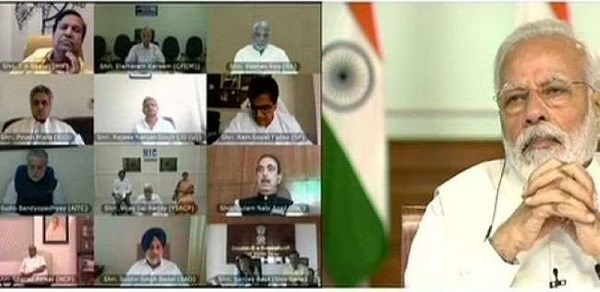
New Delhi, Apr 8: During his video-conferencing with the senior leaders of opposition parties the Prime Minster sought suggestions from them to effectively deal with the Coronavirus pandemic spreading in the country like a wildfire.
Congress Working President Sonia Gandhi had sent a letter to the Prime Minister listing her five suggestions in response. Among the five she welcomed the proposition of a 30 percent salary cut for ministers and MPs.
However, she urged the Prime Minister to cut 30 percent on budgetary expenses and stop foreign tours of President, Prime Minister, and Ministers, and suspend the construction of a new parliament house.
The remaining two suggestions are related to PM CAREs Fund and advertisement to media. Sonia Gandhi had suggested merging the PM CARES Fund into the PM’s National Relief Fund to bring in more transparency.
However, this looks absurd as this fund is specially created to deal with the unprecedented situation of the Coronavirus pandemic. Moreover, both the funds are under the control of the Prime Minister. This suggestion from Sonia Gandhi lacks any seriousness, wisdom or farsightedness expected of a leader leading the oldest party of India. When the Prime Minister is in control of both the funds how come that one fund has ‘transparency’ and the other doesn’t? Did she want to indulge in politics by raising a finger at the new fund? If this is so, then is it certainly against the position she holds.
The fifth suggestion is related to the media. Sonia Gandhi has suggested that the government should totally impose a moratorium for two years on advertisements to the media both print and electronic barring only those related to COVID-19 and health.
According to an estimate the government spends around Rs 1250 crore per year on these advertisements. Equal amount is spent on advertisements by the PSUs and other government undertakings. No doubt, this is a huge amount and can be used in our fight against the Coronavirus pandemic, Sona Gandhi had said.
However, this suggestion lacks simple logic. If the government were to stop advertisements to a number of small and medium newspapers and media houses, they will surely face closure hitting out hard at the fourth pillar of our democracy. India is the only country where newspapers are sold at a lower rate than its actual cost of production.
Advertisements, that too government advertisements are the lifeline of many newspapers and media channels. In the present situation, most newspapers are facing a crunch in advertisements. According to CMII statistics in the last week ended on April 5, the urban unemployment rate was 30.93 percent as compared to 8.66 percent of the week that ended on March 22. Therefore, stopping advertisement flow would have an adverse effect on the media.
Yesterday only there was news from a big media house about the closure of one of their television channels with fifty percent staff being accommodated in some other channels and others the majority of whom are above 50, being shown the doors. The entire media is likely to face such a grim situation and the future of other industries also would not be otherwise.