India, World Bank sign $250 million project to make existing dams safe and resilient
Total Views |
New Delhi, Aug 5: India and World Bank have signed a 250 million dollar project to make existing dams safe and resilient. "The Government of India, the Central Water Commission, government representatives from 10 participating states and the World Bank signed the project for long-term dam safety program," the Finance Ministry said.
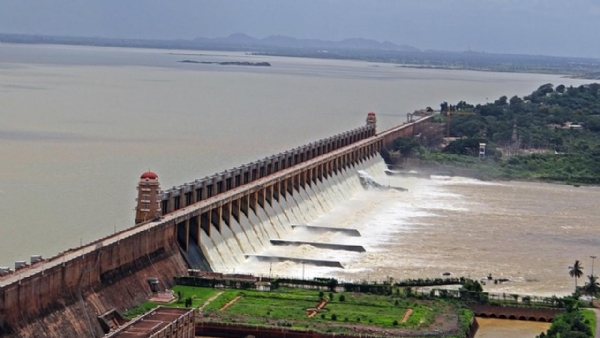
The project will be implemented in approximately 120 dams across the states of Chhattisgarh, Gujarat, Kerala, Madhya Pradesh, Maharashtra, Manipur, Meghalaya, Odisha, Rajasthan, and Tamil Nadu, and at the national level through the Central Water Commission.
Also Read: India sign $32 million deal with World Bank to improve healthcare in Mizoram
The Ministry said that the Second Dam Rehabilitation and Improvement Project (DRIP-2) will strengthen dam safety by building dam safety guidelines, bring in global experience, and introduce innovative technologies. Another major innovation envisaged under the project , is the introduction of a risk-based approach to dam asset management. it will help to effectively allocate financial resources towards priority dam safety needs.
World Bank support to dam safety in India includes the recently closed DRIP-1 ($279 million + $62 million Additional Financing) that improved the safety and sustainable performance of 223 dams in six states of India and one central agency.
Also Read: From ZP to World Bank! ZP teacher Disale appointed as World Bank's Edu advisor
Other important measures that DRIP-2 will support include - flood forecasting systems and integrated reservoir operations that will contribute to building climate resilience; the preparation and implementation of Emergency Action Plans to enable vulnerable downstream communities to prepare for and enhance resilience against the possible negative impacts and risks of climate change; and the piloting of supplemental revenue generation schemes such as floating solar panels.