Indonesia bans sex outside marriage, live-in relationships, and defaming the president
Indonesia has approved a new criminal code that bans anyone in the country from having extramarital sex and restricts political freedoms.
Total Views |


Jakarta, Dec 7: In a significant development, the Indonesian parliament on Tuesday unanimously passed a new criminal code on Tuesday, criminalizing sex outside marriage. The 200-page code also outlaws “defamation” of the president and state institutions as well as expands the definition of blasphemy.
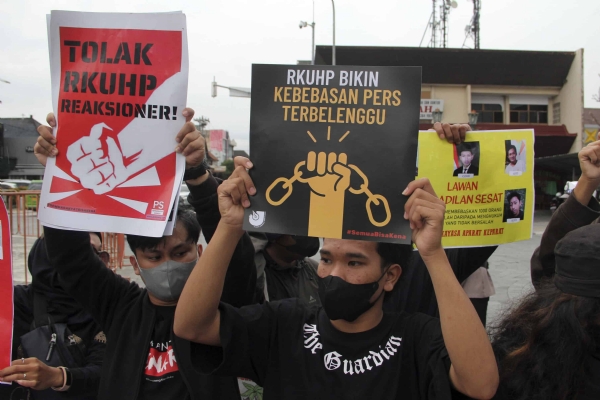
Apart from this, the controversial laws, which critics have labelled a "disaster" for human rights, also ban unmarried couples from living together. They apply equally to locals and to foreigners living in Indonesia, or visiting holiday destinations such as Bali. Under the laws, unmarried couples caught having sex can be jailed for up to a year.
Sex before marriage was already banned prior to the approval of this new criminal code, but the law was often not enforced. The old law defined adultery as sex between a married man and someone who was not his wife, while the new law bans all sex outside of marriage, including between unmarried couples. The sentencing for those caught has also been increased from nine months to a year.
Addressing a presser, Law and Human Rights Minister Yasonna Laoly said he hoped that Indonesians understood that lawmakers had done everything they could to accommodate "public aspiration." Lately said it was not easy for a multicultural and multi-ethnic country to make a criminal code that "accommodates all interests". He also invited dissatisfied parties to submit a judicial review to the constitutional court.
Earlier, human rights groups said that the new code would "disproportionately impact women" and further curtail human rights and freedoms in the world's largest Muslim-majority nation.
"What we're witnessing is a huge setback to Indonesia's hard-won progress in protecting human rights and fundamental freedoms after the 1998 revolution. This criminal code should have never been passed in the first place," said Usman Hamid, Executive Director of Amnesty International Indonesia.
Andreas Harsono, Human Rights Watch Indonesia Researcher said the laws are "a setback for already declining religious freedom in Indonesia," warning that "non-believers could be prosecuted and jailed."
"The danger of oppressive laws is not that they'll be broadly applied, it's that they provide avenue for selective enforcement," he was quoted as saying by news agency.