Women of Ancient Bharat - An Echo of Feminine Voice
These dialogues and discussions of the women are part of our affluent heritage – Veda and Vedant.
Total Views |


- Shruti Hajirnis Gupte
In our ancient literature dating thousands of years ago we get to hear an echo of feminine voice. This voice poses the questions, raises the concerns and quests for the solutions. These questions, concerns and solutions are so fundamental to our existence that the answers to them are relevant to our time as well. These dialogues and discussions of the women are part of our affluent heritage – Veda and Vedant.
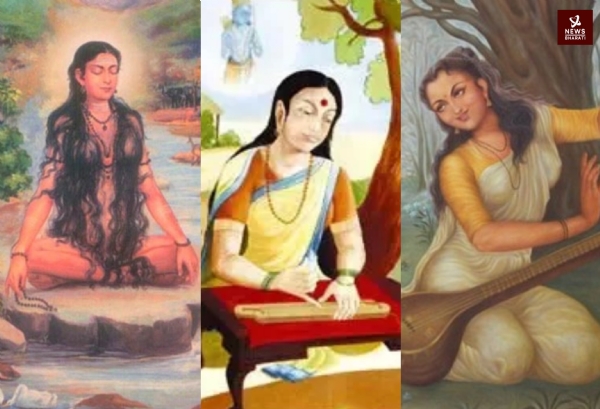
In Chandogya Upanishad, when a young sage Satyakama Jabala asks his mother about his family, his mother honestly tells him that she doesn’t know about it. She rather asks his son to derive his identity from the name of his mother. The honesty of a mother gets reflected in a son who is being questioned by his teacher about his identity. Impressed with that honesty he agrees to impart knowledge to the son of Jabala. Sage Satyakama Jabala becomes a reputed sage with his knowledge. The name of the mother gets the deserved reputation and respect.
In Brihadaranyaka Upanishad, in the court of king Janaka we have heard sage Gargi posing the questions to sage Yajnavalkya. Sage Gargi asks him by what the different things are pervaded. Her questions are so profound that the answers to them ultimately lead us to the discussion about Akshara - the Immutable and Imperishable Reality. The questions of sage Gargi help us to understand the Akshara – an eternal truth.
Also read: Bharat Has Come Back Full Circle With the Women's Reservation Bill - Nari Shakti Vandan Adhiniyam
In Brihadaranyaka Upanishad, when sage Yajnavalkya decides to renounce the material world and proceed to the forest, he comes to his second wife sage Maitreyee for a settlement of his material possession. Sage Maitreyee asks him about attaining immortality. She asks him if all her possessions are to fill the entire earth, would they bring her immortality? Sage Yajnavalkya then reveals to her a secret of immortality. A quest of Maitreyee for the solution enlightens our path of enlightenment.
When sage Agatsya performs austerities for a long time, his wife sage Lopamudra raises her concerns - For many autumns have I been laboring, evening and morning, through the aging dawns and old Age diminishes the beauty of bodies, so bullish men should now come to their wives. The concern raised by sage Lopamudra is an echo minds of many other wives of sages. The concerns of sage Lopamudra and her conversation with sage Agastya become the hymn of Rigveda.
Also read: Reservation For Women In Armed Forces
The questions, concerns and solutions of the women are heard clearly in ancient times. However, over the period of time, we have lost an echo of a feminine voice in a mayhem of men. We need to hear them again to make a diverse and inclusive world. With the Women Reservation Bill, we hope to get to hear an echo of feminine voices again. The voice will again pose the questions, raise the concerns and quest for the solutions relevant to our times. It will help us to make a diverse and inclusive world. Because, a feminine voice balances action with emotion, ambition with compassion and competition with affection.
(Author Shruti Gupte is a writer by passion, a Chartered Accountant by profession & currently pursuing a career in the corporate world)
--