West Bengal on the Brink: How Illegal Infiltration is Destroying Democracy & Wiping Out State Identity
Total Views |


West Bengal, once celebrated for its cultural brilliance and intellectual depth, is today facing a transformation of unsettling proportions. This change is not born of natural evolution but of decades of unchecked cross-border migration from Bangladesh. The porous frontier, combined with political appeasement and socio-economic upheavals, has reshaped Bengal’s electoral politics, demography, and communal harmony. What unfolds is a story of a swelling vote bank, the slow exodus of Hindus from ancestral lands, recurring riots, emboldened radical proclamations, and an existential fight for survival.
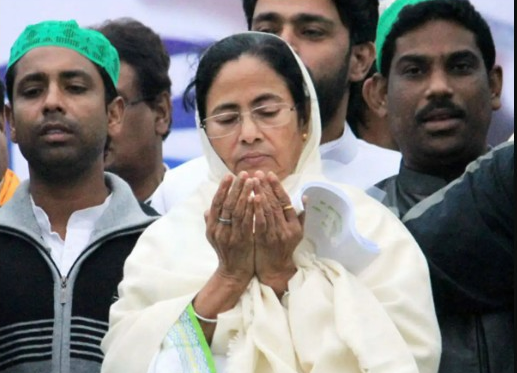
Elections in Bengal are no longer simple contests of ideology. The state’s nearly 30% Muslim population—around 2.25 crore voters—now holds decisive sway across more than 100 constituencies. Among these, 74 seats carry outright Muslim majorities, leaving political parties dependent on appeasement strategies.
Illegal migrants, armed with fraudulent documents, seamlessly merge into this electorate. The ruling Trinamool Congress (TMC) has been accused of converting these groups into loyalists by offering security against deportation. Migrants, vulnerable and exposed, find in TMC both protection and patronage.
Before every election, party machinery allegedly orchestrates the return of thousands of migrants working outside Bengal. Their travel is funded, incentives offered, and in many cases, they double up as street-level enforcers to suppress rivals. Political scientist Aveek Sen notes: “The Muslims of Bangladeshi origin are vulnerable, and their survival depends on the Trinamool. It is a bond of compulsion, not choice.”
The 2024 Kaliganj by-election illustrates this reality. In a seat with a 58% Muslim electorate, TMC secured victory through a fractured opposition, while BJP dominated booths where Hindus formed the majority. This reflects a polarised electorate split along demographic lines.
With the Election Commission planning to delete non-resident names under Section 20 of the RPA Act, thousands of doubtful voters—mostly in Muslim-dominated belts—may lose voting rights. If implemented, this could threaten TMC’s grip on nearly 50 seats. Unsurprisingly, the move has already been challenged in the Supreme Court.
Demographic Upheaval: The Silent Exodus of Hindus
The electoral story runs parallel to a deeper tragedy—the shrinking Hindu presence in border districts. Villages that once rang with Hindu festivals now echo with tales of displacement.
In North 24 Parganas, Hindus who were 68% in the 1970s have dwindled to 32%. Kaliganj, once majority-Hindu, has slid below 40%. Locals narrate stories of land seizures, harassment of women, and rising aggression by infiltrators emboldened by political cover.
The Rohingya presence, initially dismissed as humanitarian, has acquired a darker dimension. Settled with active support from local leaders, many have turned into instruments of intimidation. Villagers speak of “land jihad,” where targeted pressure forces Hindus to sell property and flee. The cycle repeats—communities uprooted once, displaced again within decades.
Environmental push factors in Bangladesh—floods, cyclones, rising seas—continue to send waves of migrants across Bengal’s vulnerable 4,096-km border, of which nearly 20% remains unfenced. The long-term outcome is irreversible demographic transformation.
The demographic churn feeds an atmosphere ripe for communal clashes. Riots in Bengal are no longer accidental flare-ups; they are often pre-planned, orchestrated, and politically shielded.
The 2017 Basirhat riots, triggered by a social media post, exposed how quickly tensions can spiral in Muslim-dominated zones. More recently, Ram Navami processions in Howrah and Waqf-related protests in Murshidabad turned violent, with investigators tracing links to Bangladeshi networks. Vehicles burnt, temples vandalised, and neighbourhoods fractured—these images capture Bengal’s volatility.
Radicalisation through madrassas has added fuel. In Basirhat, Lashkar-e-Taiba links were unearthed among local youths, a chilling sign of ideological penetration. Sociologists warn that such indoctrination creates a generation hostile to pluralism, mirroring Pakistan’s radical trajectory before the 1971 crisis.
The boldness of rhetoric in Bengal reflects this demographic confidence. Senior TMC leader Firhad Hakim’s repeated references to “mini-Pakistan” zones, calls for Muslims to consolidate as a majority, and provocative remarks at public events highlight how mainstream politics is being infused with sectarian visions.
Such proclamations are not isolated. They resonate with ground reports of infiltrator groups enforcing cultural dominance—restrictions on Hindu festivals, intimidation of shopkeepers, and threats to temples. For many Hindus, this feels less like migration and more like conquest.
The Existential Question: Can Bengal Retain Its Soul?
For Hindus of Bengal, the struggle is no longer about economics or even politics—it is about identity. Temples defaced, Durga Pujas held under police protection, and families migrating under duress paint a grim picture. By 2030, projections suggest Muslims could constitute 35% of Bengal’s population, driven by higher fertility and continuing illegal migration.
Former Vice-President Jagdeep Dhankhar has called it “demographic engineering.” Historians compare it with the pre-Partition exodus. The warning is stark: Bengal risks internal partition, not through cartographic lines but through slow demographic suffocation.
The Bengal crisis is not isolated. It is part of a larger national security challenge—a porous border, an appeasement-driven polity, and a vulnerable demographic balance. Remedies exist: sealing borders, auditing voter lists, enforcing citizenship laws, and confronting radicalisation in education. But these demand political will beyond electoral compulsions.
Bengal, once the cradle of reform and renaissance, today teeters at a crossroads. The 2026 elections may not just decide who governs—it may decide whether the state preserves its plural legacy or slides into irreversible communal dominance. The choice lies in vigilance, not complacency.
The Political Dimension: From Ballots to Muscle
Elections in Bengal are no longer simple contests of ideology. The state’s nearly 30% Muslim population—around 2.25 crore voters—now holds decisive sway across more than 100 constituencies. Among these, 74 seats carry outright Muslim majorities, leaving political parties dependent on appeasement strategies.
Illegal migrants, armed with fraudulent documents, seamlessly merge into this electorate. The ruling Trinamool Congress (TMC) has been accused of converting these groups into loyalists by offering security against deportation. Migrants, vulnerable and exposed, find in TMC both protection and patronage.
Before every election, party machinery allegedly orchestrates the return of thousands of migrants working outside Bengal. Their travel is funded, incentives offered, and in many cases, they double up as street-level enforcers to suppress rivals. Political scientist Aveek Sen notes: “The Muslims of Bangladeshi origin are vulnerable, and their survival depends on the Trinamool. It is a bond of compulsion, not choice.”
The 2024 Kaliganj by-election illustrates this reality. In a seat with a 58% Muslim electorate, TMC secured victory through a fractured opposition, while BJP dominated booths where Hindus formed the majority. This reflects a polarised electorate split along demographic lines.
With the Election Commission planning to delete non-resident names under Section 20 of the RPA Act, thousands of doubtful voters—mostly in Muslim-dominated belts—may lose voting rights. If implemented, this could threaten TMC’s grip on nearly 50 seats. Unsurprisingly, the move has already been challenged in the Supreme Court.
Demographic Upheaval: The Silent Exodus of Hindus
The electoral story runs parallel to a deeper tragedy—the shrinking Hindu presence in border districts. Villages that once rang with Hindu festivals now echo with tales of displacement.
In North 24 Parganas, Hindus who were 68% in the 1970s have dwindled to 32%. Kaliganj, once majority-Hindu, has slid below 40%. Locals narrate stories of land seizures, harassment of women, and rising aggression by infiltrators emboldened by political cover.
The Rohingya presence, initially dismissed as humanitarian, has acquired a darker dimension. Settled with active support from local leaders, many have turned into instruments of intimidation. Villagers speak of “land jihad,” where targeted pressure forces Hindus to sell property and flee. The cycle repeats—communities uprooted once, displaced again within decades.
Environmental push factors in Bangladesh—floods, cyclones, rising seas—continue to send waves of migrants across Bengal’s vulnerable 4,096-km border, of which nearly 20% remains unfenced. The long-term outcome is irreversible demographic transformation.
Riots and Radicalisation: A State on Edge
The demographic churn feeds an atmosphere ripe for communal clashes. Riots in Bengal are no longer accidental flare-ups; they are often pre-planned, orchestrated, and politically shielded.
The 2017 Basirhat riots, triggered by a social media post, exposed how quickly tensions can spiral in Muslim-dominated zones. More recently, Ram Navami processions in Howrah and Waqf-related protests in Murshidabad turned violent, with investigators tracing links to Bangladeshi networks. Vehicles burnt, temples vandalised, and neighbourhoods fractured—these images capture Bengal’s volatility.
Radicalisation through madrassas has added fuel. In Basirhat, Lashkar-e-Taiba links were unearthed among local youths, a chilling sign of ideological penetration. Sociologists warn that such indoctrination creates a generation hostile to pluralism, mirroring Pakistan’s radical trajectory before the 1971 crisis.
Open Ambitions: Dreams of an Islamic Republic
The boldness of rhetoric in Bengal reflects this demographic confidence. Senior TMC leader Firhad Hakim’s repeated references to “mini-Pakistan” zones, calls for Muslims to consolidate as a majority, and provocative remarks at public events highlight how mainstream politics is being infused with sectarian visions.
Such proclamations are not isolated. They resonate with ground reports of infiltrator groups enforcing cultural dominance—restrictions on Hindu festivals, intimidation of shopkeepers, and threats to temples. For many Hindus, this feels less like migration and more like conquest.
The Existential Question: Can Bengal Retain Its Soul?
For Hindus of Bengal, the struggle is no longer about economics or even politics—it is about identity. Temples defaced, Durga Pujas held under police protection, and families migrating under duress paint a grim picture. By 2030, projections suggest Muslims could constitute 35% of Bengal’s population, driven by higher fertility and continuing illegal migration.
Former Vice-President Jagdeep Dhankhar has called it “demographic engineering.” Historians compare it with the pre-Partition exodus. The warning is stark: Bengal risks internal partition, not through cartographic lines but through slow demographic suffocation.
The Bengal crisis is not isolated. It is part of a larger national security challenge—a porous border, an appeasement-driven polity, and a vulnerable demographic balance. Remedies exist: sealing borders, auditing voter lists, enforcing citizenship laws, and confronting radicalisation in education. But these demand political will beyond electoral compulsions.
Bengal, once the cradle of reform and renaissance, today teeters at a crossroads. The 2026 elections may not just decide who governs—it may decide whether the state preserves its plural legacy or slides into irreversible communal dominance. The choice lies in vigilance, not complacency.