14 errors, One Rahul & Endless Questions
Rahul Baba, the Supreme Court is not your personal golf club.
Total Views |


From a luxury-bus march to a defective petition: where is the constitutional seriousness?
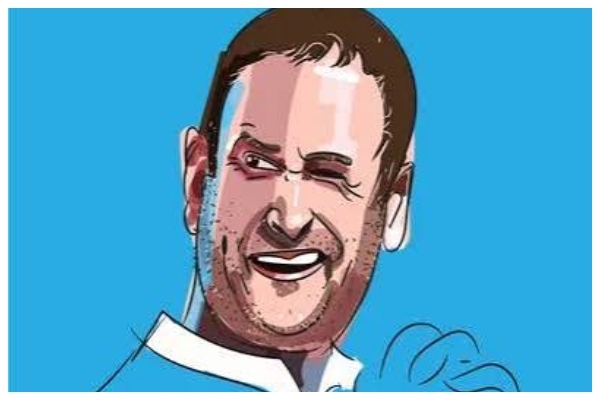
Rahul Baba, the Supreme Court is not your personal golf club. You cannot walk in to flex political muscles, manufacture a headline and expect the institution to accommodate your theatrics.
Fourteen reported registry defects raise legitimate questions about preparation, coordination and verification. When a petition is filed in the name of several senior political leaders, who checks that the necessary authorisations are in place? Who verifies the supporting documents? Who ensures that the prescribed court fee has been paid? Who takes responsibility for the final review before the papers are submitted? These are not questions about some obscure constitutional doctrine requiring years of legal scholarship. They concern the elementary discipline of preparing a court filing.
The reported shortfall in court fees was ₹220. The amount is hardly the point. The point is that a petition presented amid an elaborate political mobilisation reached the registry without all the procedural requirements being satisfied. A political organisation should be able to organise its legal paperwork with equal diligence. If it cannot, the contrast demands explanation. This happened because Rahul is never serious. His attitude is always seen as a person who goes out on weekends.
The public deserves to know whether the defects resulted from inadequate coordination, a rushed filing or a failure of review. Or was it a casual approach towards the judiciary? The registry’s objections do not establish the answer. But neither should the political stature of the petitioners make the questions disappear.
Politics is not a joyride to be experienced from the comfort of a luxury bus, punctuated by dramatic stops, slogans, cameras and carefully staged confrontations. Nor is political leadership a permanent procession in which every disagreement becomes an occasion for spectacle.
Leadership demands preparation, responsibility, institutional understanding and the capacity to distinguish political mobilisation from constitutional procedure. A march can communicate a grievance. A press conference can explain an argument. A political speech can rally supporters. But none of these can substitute for a properly prepared petition when a party chooses to seek judicial intervention.
The distinction is fundamental. A politician may command a crowd, but a court must examine a case. The crowd responds to slogans; the court requires pleadings, evidence, legal grounds and properly framed relief. Political energy cannot replace procedural discipline. The question, therefore, is whether the seriousness of his political claims is matched by the seriousness of the preparation behind them.
The sequence of events makes the institutional question even more significant. Rahul Gandhi and Congress president Mallikarjun Kharge sought a meeting with Chief Justice of India Surya Kant to submit a memorandum concerning the Election Commission and related issues. The CJI declined, explaining that discussing matters already pending before the Court would be inconsistent with the separation of powers and judicial propriety. He indicated that the leaders could pursue their grievances through the judicial process.
The distinction should have been clear. The judiciary is not an administrative office where political delegations can seek an audience to press their demands. Nor should a judge be expected to discuss pending matters with political leaders outside the established judicial process.

The Constitution belongs neither to the ruling party nor to the Opposition. The Supreme Court is not an instrument of the government, and it is not an instrument of the Opposition either.The right to approach a court carries a corresponding responsibility to respect its procedures. A constitutional grievance does not acquire greater validity because it is advanced by a prominent politician or accompanied by a large march.
Rahul Gandhi occupies a senior position in national politics and has ambitions that extend to leading the country. Such ambitions invite scrutiny, not deference. The Prime Minister’s office is not an extension of a political stage. Governing a country of India’s size and complexity requires the ability to organise people, examine documents, assess evidence, understand institutions and take responsibility for decisions. These are practical demands of leadership, not ornamental qualifications.
Can the public reasonably ask why a high-profile legal challenge was filed with so many procedural defects? Certainly. Can it demand accountability from the political leadership that sponsored it? Absolutely.
Indians are not obliged to accept political theatre as a substitute for competence. Nor should citizens be expected to suspend scrutiny merely because a leader invokes democracy or the Constitution.
Rahul Baba, constitutional seriousness is measured not by the size of the march, the volume of the slogans or the number of cameras following you. It is measured by the quality of the arguments, the reliability of the evidence and the care with which the law is invoked.
The Supreme Court is not your courtyard. It is not a stage for rehearsing the next headline. And the Constitution is not a prop to be carried from one political spectacle to another. If the objective is to establish a constitutional violation, let the petition stand on its legal merits. If the claim is that democracy is under threat, demonstrate the charge through evidence and argument. The country deserves a debate grounded in facts, not one in which the drama surrounding a petition becomes more memorable than the petition itself.
Rahul Gandhi’s latest political exercise raises a question that goes far beyond the immediate controversy over electoral rolls: what does it take to approach the Supreme Court of India? Apparently, in this instance, the political mobilisation was more conspicuous than the paperwork accompanying the legal challenge. The Supreme Court registry reportedly flagged 14 defects in the joint petition filed by Rahul Gandhi and other INDIA bloc leaders against Chief Election Commissioner Gyanesh Kumar. Missing authorisations, an illegible identity document and a shortfall in court fees were among the objections.
The irony is difficult to miss. A political leader who repeatedly invokes threats to democracy and the Constitution is expected to demonstrate exceptional seriousness when invoking the country’s highest judicial institution. A petition is not a political slogan. A court filing is not a press conference. And constitutional litigation is certainly not a publicity event in which dramatic appearances can compensate for inadequate preparation.
Rahul Baba, the Supreme Court is not your personal golf club. You cannot walk in to flex political muscles, manufacture a headline and expect the institution to accommodate your theatrics.
Fourteen reported registry defects raise legitimate questions about preparation, coordination and verification. When a petition is filed in the name of several senior political leaders, who checks that the necessary authorisations are in place? Who verifies the supporting documents? Who ensures that the prescribed court fee has been paid? Who takes responsibility for the final review before the papers are submitted? These are not questions about some obscure constitutional doctrine requiring years of legal scholarship. They concern the elementary discipline of preparing a court filing.
The reported shortfall in court fees was ₹220. The amount is hardly the point. The point is that a petition presented amid an elaborate political mobilisation reached the registry without all the procedural requirements being satisfied. A political organisation should be able to organise its legal paperwork with equal diligence. If it cannot, the contrast demands explanation. This happened because Rahul is never serious. His attitude is always seen as a person who goes out on weekends.
The public deserves to know whether the defects resulted from inadequate coordination, a rushed filing or a failure of review. Or was it a casual approach towards the judiciary? The registry’s objections do not establish the answer. But neither should the political stature of the petitioners make the questions disappear.
Politics is not a joyride to be experienced from the comfort of a luxury bus, punctuated by dramatic stops, slogans, cameras and carefully staged confrontations. Nor is political leadership a permanent procession in which every disagreement becomes an occasion for spectacle.
Leadership demands preparation, responsibility, institutional understanding and the capacity to distinguish political mobilisation from constitutional procedure. A march can communicate a grievance. A press conference can explain an argument. A political speech can rally supporters. But none of these can substitute for a properly prepared petition when a party chooses to seek judicial intervention.
The distinction is fundamental. A politician may command a crowd, but a court must examine a case. The crowd responds to slogans; the court requires pleadings, evidence, legal grounds and properly framed relief. Political energy cannot replace procedural discipline. The question, therefore, is whether the seriousness of his political claims is matched by the seriousness of the preparation behind them.
The sequence of events makes the institutional question even more significant. Rahul Gandhi and Congress president Mallikarjun Kharge sought a meeting with Chief Justice of India Surya Kant to submit a memorandum concerning the Election Commission and related issues. The CJI declined, explaining that discussing matters already pending before the Court would be inconsistent with the separation of powers and judicial propriety. He indicated that the leaders could pursue their grievances through the judicial process.
The distinction should have been clear. The judiciary is not an administrative office where political delegations can seek an audience to press their demands. Nor should a judge be expected to discuss pending matters with political leaders outside the established judicial process.
The appropriate route was a petition. The INDIA bloc subsequently filed one. Yet the reported defects in that petition have now shifted attention from the substance of the allegations to the quality of the filing itself. That is an avoidable distraction for a political coalition claiming to defend electoral democracy. A weakly prepared filing does not strengthen a constitutional challenge. It creates additional questions about the organisation and discipline behind it, posing questions before the credentials.
The Constitution belongs neither to the ruling party nor to the Opposition. The Supreme Court is not an instrument of the government, and it is not an instrument of the Opposition either.The right to approach a court carries a corresponding responsibility to respect its procedures. A constitutional grievance does not acquire greater validity because it is advanced by a prominent politician or accompanied by a large march.
Rahul Gandhi occupies a senior position in national politics and has ambitions that extend to leading the country. Such ambitions invite scrutiny, not deference. The Prime Minister’s office is not an extension of a political stage. Governing a country of India’s size and complexity requires the ability to organise people, examine documents, assess evidence, understand institutions and take responsibility for decisions. These are practical demands of leadership, not ornamental qualifications.
Can the public reasonably ask why a high-profile legal challenge was filed with so many procedural defects? Certainly. Can it demand accountability from the political leadership that sponsored it? Absolutely.
Indians are not obliged to accept political theatre as a substitute for competence. Nor should citizens be expected to suspend scrutiny merely because a leader invokes democracy or the Constitution.
Rahul Baba, constitutional seriousness is measured not by the size of the march, the volume of the slogans or the number of cameras following you. It is measured by the quality of the arguments, the reliability of the evidence and the care with which the law is invoked.
The Supreme Court is not your courtyard. It is not a stage for rehearsing the next headline. And the Constitution is not a prop to be carried from one political spectacle to another. If the objective is to establish a constitutional violation, let the petition stand on its legal merits. If the claim is that democracy is under threat, demonstrate the charge through evidence and argument. The country deserves a debate grounded in facts, not one in which the drama surrounding a petition becomes more memorable than the petition itself.
Rahul Gandhi has now invited a storm of criticism on social media, where the reported errors in his PIL have become fodder for relentless trolling and ridicule. A leader who aspires to lead India has, instead, handed his critics an opportunity to question his seriousness and preparation. Political opponents may be expected to attack him, but when avoidable procedural lapses become a public spectacle, the damage to credibility is self-inflicted. Rahul, when will you learn? You are fast approaching sixty, yet the country is still waiting to see the maturity, discipline and seriousness expected of a national leader aspiring to become Prime Minister.
You cannot turn every political setback into a spectacle, every institutional disagreement into a confrontation and every court proceeding into a publicity opportunity. India is not a political laboratory for endless experiments in optics. Its people deserve leadership that is prepared, responsible and capable of distinguishing constitutional duty from political drama. The question is no longer how loudly Rahul Gandhi can speak about democracy, but how seriously he can demonstrate the responsibility that leadership demands.