Rahul Gandhi’s Vote-Chori Excuse Is Wearing Thin: Congress Needs a Reality Check
There is a legitimate place for scrutiny of electoral processes.
Total Views |


The Gujarat civic election results have delivered another setback to Rahul Gandhi’s politics of perpetual grievance. While he wages a campaign against Chief Election Commissioner Gyanesh Kumar and cries foul over voter lists, the BJP continues to win elections. The question Rahul refuses to answer is straightforward - if the Election Commission is responsible for Congress’s defeats, who was responsible for its decades-long political collapse?
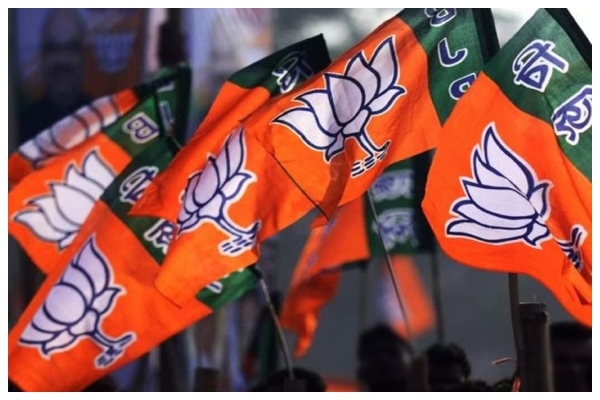
In Gujarat, the BJP retained all three urban local bodies that went to polls on October 11, winning 38 of 44 seats in the Gandhinagar Municipal Corporation. Congress managed just five. This comes after decades of Congress failing to dislodge the BJP from power in the state. Blaming a voter-list revision introduced after 2024 cannot explain a decline that began long before it.
Nor is Gujarat an isolated case. Congress has been out of power in Uttar Pradesh and Bihar for decades, in West Bengal since 1977, in Gujarat since 1995 and in Odisha since 2000. Its repeated electoral setbacks across states and different types of elections demand serious introspection not another round of allegations against the referee.
Tripura’s village committee elections and Rajasthan’s urban local-body results have further underlined Congress’s organisational challenges. Different states have different political dynamics, but the recurring question remains: why has Congress struggled to rebuild a credible grassroots presence and persuade voters that it deserves to govern?
Rahul Gandhi seems to have perfected the art of political accusation while evading the harder task of political reconstruction. Every defeat becomes a conspiracy; every setback becomes an institutional failure; every uncomfortable verdict invites another slogan. Vote chori has become a convenient political alibi but an allegation repeated often enough does not become proof.
Congress’s decline has multiple causes: factional infighting, weak organisation, leadership centralisation, corruption controversies, inconsistent messaging and a failure to present a persuasive alternative in several states. Its leadership must also confront a hard truth: political legacies do not automatically translate into public support, and the Gandhi surname is no substitute for electoral credibility.
Rahul’s politics increasingly appears trapped in optics dramatic press conferences, political theatrics and headline-grabbing confrontations. But cameras do not build a booth-level organisation, slogans do not repair fractured state units, and accusations do not win back voters. A leader who can command headlines but struggles to revive his party must ask whether the problem lies only with the institutions he attacks.
There is a legitimate place for scrutiny of electoral processes. Any substantiated irregularity deserves investigation, regardless of which party benefits. But the burden of evidence cannot be replaced by political rhetoric, and no party should expect immunity from accountability simply because it questions the system.
The Gandhi family’s political inheritance is not a permanent entitlement to power. Voters are free to reject a party, and Congress must respect that verdict rather than presume that repeated losses are inherently illegitimate. The message from Gujarat and Congress’s wider electoral record is unmistakable: Rahul Gandhi cannot rebuild his party by blaming everyone except his own leadership. Before lecturing the country about democracy, he must demonstrate that he understands the basic democratic principle that parties must earn votes, not merely explain away their absence.
The real question for Rahul Gandhi is no longer how often he can allege vote theft. It is how long he can avoid answering why Congress keeps losing.