How Long Will Hindus Remain Asleep?
The lesson is not that every case of sexual exploitation follows the same pattern, or that Britain"s experience proves the existence of an identical network in India.
NewsBharati 15-Oct-2026 14:22:37 PM
Total Views |


The Nalasopara case in Palghar district of Maharashtra is not merely another crime story to be consumed by television audiences and forgotten when the next sensational headline appears. It raises fundamental questions about the safety of Hindu women, the misuse of romantic relationships to facilitate exploitation, the possibility of religious coercion, and the readiness of Hindu society to confront a problem that its concerned sections believe is growing.
Reports from different parts of the country have repeatedly raised allegations involving concealed identities, deceptive relationships, pressure to change religion, sexual exploitation and blackmail. The details vary from case to case, and each must be assessed on its own evidence. But recurring allegations of similar methods warrant serious examination rather than automatic dismissal. When comparable allegations emerge repeatedly, society cannot afford to turn away without asking whether there are common methods, connections or motives that require investigation.
Social media has transformed the ways in which relationships begin. A young woman can be approached, befriended and emotionally manipulated without her family knowing anything about the person behind the online identity. Trust can be established gradually. Private photographs and videos can become instruments of coercion. A relationship that initially appears voluntary may, according to allegations in particular cases, subsequently involve threats, abuse or pressure to convert.
What makes such allegations particularly disturbing is the possibility that emotional trust itself may be exploited. A young woman may believe she is entering a relationship based on affection, only to find herself facing threats, humiliation or blackmail. Intimate material shared in confidence can become a weapon. Fear of social stigma may then prevent her from seeking help. The alleged offender may benefit from precisely that silence.
Britain's grooming-gang scandals offer a sobering international comparison. In Rotherham, Rochdale and other towns, investigations exposed the sexual exploitation of vulnerable girls by groups of men. Official inquiries revealed the suffering of victims and serious failures by institutions responsible for protecting them. In some cases, complaints were not acted upon adequately, victims struggled to be heard, and exploitation continued for years.
The lesson is not that every case of sexual exploitation follows the same pattern, or that Britain's experience proves the existence of an identical network in India. The lesson is that organised exploitation can persist when warning signs are ignored, victims are not taken seriously and institutions hesitate to confront uncomfortable questions.
 Digital technology has made it easier to establish contact with strangers, conceal identities, communicate privately and circulate intimate material across geographical boundaries. Criminal networks can exploit these facilities for trafficking, sexual exploitation, extortion and the commercial distribution of abusive material. Such crimes are not confined to one country.
The concern expressed by Hindu organizations society is that some cases described as Love Jihad may involve more than deception in an individual relationship, particularly when allegations include religious coercion, multiple victims, blackmail or the commercial circulation of intimate videos. Such concerns cannot be settled by slogans from either side. They require thorough investigation.
The Nalasopara police must establish whether the alleged videos were recorded without consent, whether they were circulated commercially, whether other individuals participated and whether the accused had links with others involved in similar activities. Digital evidence, financial transactions, online communications and the accounts of potential victims may help establish the facts.
If an organised network exists, the authorities must expose its entire chain of participants and beneficiaries. If the evidence establishes only individual criminal conduct, that conclusion must be respected. The point is not to prejudge the investigation but to ensure that it examines every credible lead.
The possibility of a wider conspiracy cannot be dismissed merely because the subject is controversial. Equally, several unrelated cases cannot automatically be treated as proof of a nationwide operation. A systematic network must be established through demonstrable connections between offenders, communications, financial transactions or coordinated activities.
The demand is straightforward - investigate thoroughly, follow the digital evidence and identify every person involved.
An adult woman has the right to choose her partner. But freedom of choice cannot become a convenient shield for deception, coercion, sexual violence or pressure to convert. Consent to a relationship is not consent to sexual assault. Sharing an intimate photograph privately does not constitute permission to circulate it online. Agreeing to a relationship does not mean surrendering the right to refuse religious conversion.
The Nalasopara allegations must therefore be examined on their merits. If the claim involving 70–80 women is substantiated, the case will raise serious questions about the scale of the alleged exploitation, the means by which the material was obtained and the people who may have benefited from its circulation. Every victim deserves dignity, privacy, protection and justice.
Hindu society must confront some uncomfortable questions. Why do families sometimes become aware of a dangerous relationship only after serious harm has allegedly occurred? Why do parents and children often find it difficult to discuss relationships openly? Why does public attention surge after a sensational case and then disappear? Why is prevention so often replaced by anger after the damage has been done? These questions demand honest introspection.
Parents cannot protect their children through restrictions and suspicion alone. They must build relationships in which young people feel safe discussing friendships, relationships and personal difficulties. If a daughter fears humiliation, punishment or rejection, she may hesitate to disclose manipulation or abuse. That silence can leave her more vulnerable to exploitation.
Young people must also understand that affection does not require blind trust. Demands for secrecy, threats involving intimate photographs, attempts to control personal decisions and pressure to change religious beliefs are warning signs that must not be ignored. Seeking help is not a matter of shame; it is an exercise of self-respect and personal safety.
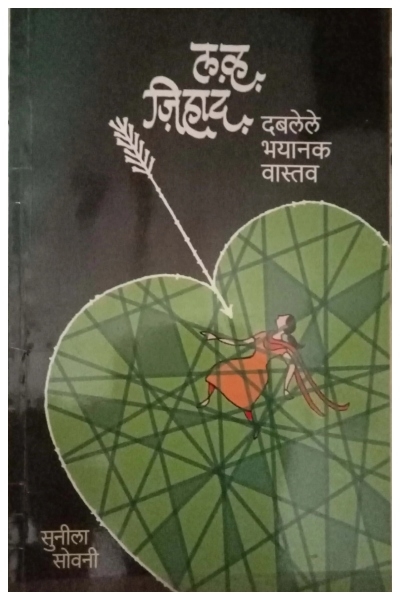
Hindu organisations raising concerns about Love Jihad must insist on evidence-based investigations, legal accountability and support for victims. Genuine concerns will be strengthened, not weakened, by distinguishing verified facts from allegations and by avoiding indiscriminate suspicion of an entire community.
At the same time, authorities must not dismiss complaints merely because they are raised by organisations with a particular ideological position. Political discomfort cannot be a reason to avoid investigating credible allegations.
The Nalasopara case must not become another episode in which public outrage lasts only as long as television cameras remain focused on it. Its real significance will depend on what follows: whether the police establish the facts, identify every victim, investigate the alleged recording and circulation of intimate videos and determine whether other offenders were involved.
Britain's grooming-gang scandals demonstrate the human cost of allowing exploitation to continue while institutions fail to respond adequately. India must learn from those failures. Victims must be heard, warning signs must be investigated and uncomfortable questions must not be avoided merely because they may provoke controversy.
For Hindu society, the challenge is equally serious. Protecting women requires more than slogans, demonstrations and expressions of anger after a crime has occurred. It requires awareness within families, responsible conduct by community organisations, support for victims and a justice system that pursues offenders without fear or favour.
How long will Hindus remain asleep? The answer ies in recognising genuine warning signs, demanding impartial investigations and refusing to allow social stigma to silence victims.
The protection of Hindu women is a question of dignity, security and justice. If the allegations in Nalasopara are established, every person involved must be held accountable. If evidence reveals a wider network, it must be exposed. And if Hindu society wants to protect its daughters, it must replace complacency with awareness, silence with trust, and momentary outrage with sustained responsibility.
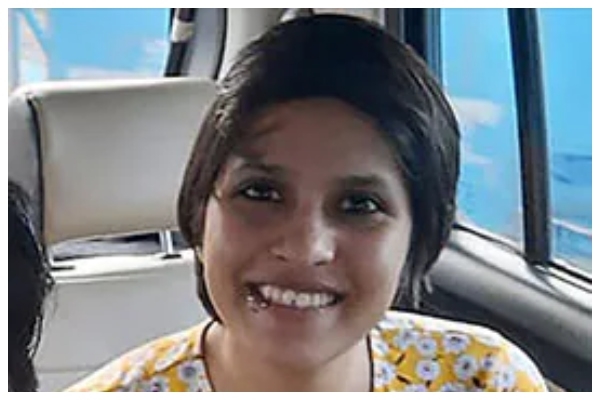
The allegations against Arif Ayub Shaikh are not merely deeply disturbing. They are furious. A 23-year-old woman has accused him of repeatedly sexually assaulting her on the promise of marriage and pressuring her to convert to Islam. More alarming is her claim that intimate videos of 70–80 women were recorded and sold online. Police have reportedly found objectionable videos on his phone and are investigating the allegations. If the alleged exploitation of multiple women is established, the case will extend far beyond an individual relationship gone wrong.
The question is not whether Hindus should panic. It is whether they will wake up.Reports from different parts of the country have repeatedly raised allegations involving concealed identities, deceptive relationships, pressure to change religion, sexual exploitation and blackmail. The details vary from case to case, and each must be assessed on its own evidence. But recurring allegations of similar methods warrant serious examination rather than automatic dismissal. When comparable allegations emerge repeatedly, society cannot afford to turn away without asking whether there are common methods, connections or motives that require investigation.
Social media has transformed the ways in which relationships begin. A young woman can be approached, befriended and emotionally manipulated without her family knowing anything about the person behind the online identity. Trust can be established gradually. Private photographs and videos can become instruments of coercion. A relationship that initially appears voluntary may, according to allegations in particular cases, subsequently involve threats, abuse or pressure to convert.
What makes such allegations particularly disturbing is the possibility that emotional trust itself may be exploited. A young woman may believe she is entering a relationship based on affection, only to find herself facing threats, humiliation or blackmail. Intimate material shared in confidence can become a weapon. Fear of social stigma may then prevent her from seeking help. The alleged offender may benefit from precisely that silence.
Britain's grooming-gang scandals offer a sobering international comparison. In Rotherham, Rochdale and other towns, investigations exposed the sexual exploitation of vulnerable girls by groups of men. Official inquiries revealed the suffering of victims and serious failures by institutions responsible for protecting them. In some cases, complaints were not acted upon adequately, victims struggled to be heard, and exploitation continued for years.
The lesson is not that every case of sexual exploitation follows the same pattern, or that Britain's experience proves the existence of an identical network in India. The lesson is that organised exploitation can persist when warning signs are ignored, victims are not taken seriously and institutions hesitate to confront uncomfortable questions.
India must not repeat such failures. When a case involves allegations of multiple victims, investigators must look beyond the immediate accused. Were the victims connected? Was intimate material exchanged or sold? Did other individuals facilitate the alleged offences? Were there common methods of approaching, manipulating or intimidating victims? These are legitimate questions for investigators. They should neither be suppressed because they are politically sensitive nor treated as proof of a conspiracy before the evidence is established. The Nalasopara case raises a question that demands serious investigation - could some incidents involve organised activity rather than isolated criminal conduct?
The concern expressed by Hindu organizations society is that some cases described as Love Jihad may involve more than deception in an individual relationship, particularly when allegations include religious coercion, multiple victims, blackmail or the commercial circulation of intimate videos. Such concerns cannot be settled by slogans from either side. They require thorough investigation.
The Nalasopara police must establish whether the alleged videos were recorded without consent, whether they were circulated commercially, whether other individuals participated and whether the accused had links with others involved in similar activities. Digital evidence, financial transactions, online communications and the accounts of potential victims may help establish the facts.
If an organised network exists, the authorities must expose its entire chain of participants and beneficiaries. If the evidence establishes only individual criminal conduct, that conclusion must be respected. The point is not to prejudge the investigation but to ensure that it examines every credible lead.
The possibility of a wider conspiracy cannot be dismissed merely because the subject is controversial. Equally, several unrelated cases cannot automatically be treated as proof of a nationwide operation. A systematic network must be established through demonstrable connections between offenders, communications, financial transactions or coordinated activities.
The demand is straightforward - investigate thoroughly, follow the digital evidence and identify every person involved.
An adult woman has the right to choose her partner. But freedom of choice cannot become a convenient shield for deception, coercion, sexual violence or pressure to convert. Consent to a relationship is not consent to sexual assault. Sharing an intimate photograph privately does not constitute permission to circulate it online. Agreeing to a relationship does not mean surrendering the right to refuse religious conversion.
The Nalasopara allegations must therefore be examined on their merits. If the claim involving 70–80 women is substantiated, the case will raise serious questions about the scale of the alleged exploitation, the means by which the material was obtained and the people who may have benefited from its circulation. Every victim deserves dignity, privacy, protection and justice.
Hindu society must confront some uncomfortable questions. Why do families sometimes become aware of a dangerous relationship only after serious harm has allegedly occurred? Why do parents and children often find it difficult to discuss relationships openly? Why does public attention surge after a sensational case and then disappear? Why is prevention so often replaced by anger after the damage has been done? These questions demand honest introspection.
Parents cannot protect their children through restrictions and suspicion alone. They must build relationships in which young people feel safe discussing friendships, relationships and personal difficulties. If a daughter fears humiliation, punishment or rejection, she may hesitate to disclose manipulation or abuse. That silence can leave her more vulnerable to exploitation.
Young people must also understand that affection does not require blind trust. Demands for secrecy, threats involving intimate photographs, attempts to control personal decisions and pressure to change religious beliefs are warning signs that must not be ignored. Seeking help is not a matter of shame; it is an exercise of self-respect and personal safety.
Community organisations, educational institutions and responsible religious leaders have a role to play. Awareness must be continuous, practical and directed towards the protection of women. It cannot begin with a sensational case and disappear when public attention shifts elsewhere. Victims must be able to report abuse without being blamed for trusting someone or entering a relationship.
Hindu organisations raising concerns about Love Jihad must insist on evidence-based investigations, legal accountability and support for victims. Genuine concerns will be strengthened, not weakened, by distinguishing verified facts from allegations and by avoiding indiscriminate suspicion of an entire community.
At the same time, authorities must not dismiss complaints merely because they are raised by organisations with a particular ideological position. Political discomfort cannot be a reason to avoid investigating credible allegations.
The Nalasopara case must not become another episode in which public outrage lasts only as long as television cameras remain focused on it. Its real significance will depend on what follows: whether the police establish the facts, identify every victim, investigate the alleged recording and circulation of intimate videos and determine whether other offenders were involved.
Britain's grooming-gang scandals demonstrate the human cost of allowing exploitation to continue while institutions fail to respond adequately. India must learn from those failures. Victims must be heard, warning signs must be investigated and uncomfortable questions must not be avoided merely because they may provoke controversy.
For Hindu society, the challenge is equally serious. Protecting women requires more than slogans, demonstrations and expressions of anger after a crime has occurred. It requires awareness within families, responsible conduct by community organisations, support for victims and a justice system that pursues offenders without fear or favour.
How long will Hindus remain asleep? The answer ies in recognising genuine warning signs, demanding impartial investigations and refusing to allow social stigma to silence victims.
The protection of Hindu women is a question of dignity, security and justice. If the allegations in Nalasopara are established, every person involved must be held accountable. If evidence reveals a wider network, it must be exposed. And if Hindu society wants to protect its daughters, it must replace complacency with awareness, silence with trust, and momentary outrage with sustained responsibility.

Editor's Desk
Editor's Desk