Madras HC Takes TN govt. To task over denial of Permission for RSS March
The court was hearing a plea filed by the RSS State SecretaryV.G. Jagadeesan for North Tamil Nadu challenging the denial of permission for the proposed route march.
Total Views |


Chennai, October 15 : The Madras High Court on Thursday questioned the Tamil Nadu police for denying permission to a Rashtriya Swayamsevak Sangh (RSS) route march citing the presence of mosques and an Eidgah along the proposed route. Justice V. Lakshminarayanan objected to the reasoning, stating that the authorities should not portray Muslims as opposing the procession without evidence. The court also stressed that citizens’ rights cannot be surrendered to the whims and fancies of the police.
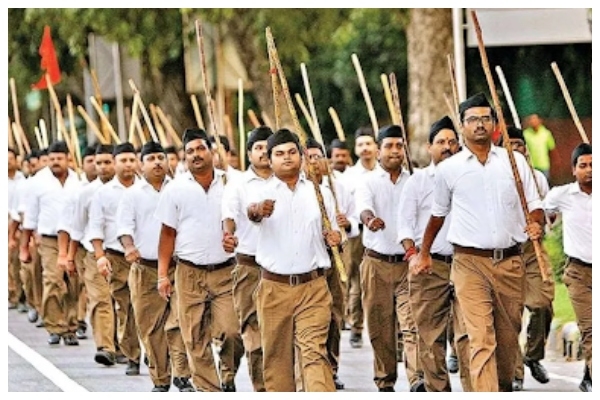
The court was hearing a plea filed by the RSS State SecretaryV.G. Jagadeesan for North Tamil Nadu challenging the denial of permission for the proposed route march.
While examining the State’s reasons for rejecting permission, the court questioned the relevance of citing an Eidgah and mosques along the route.
“Eidgah is for Ramzan and Bakrid. For gathering and praying. You're saying that they (Muslims) will celebrate Ramzan in October? You're giving a bad name to Muslims,” the judge told the State.
The court also recorded its concern, stating, “It is a matter of agony that the police authorities are mentioning as if those belonging to the minority community are having issues with the procession being held by the petitioner's organisation.”
During Wednesday’s hearing, the court had questioned why the RSS was being denied permission to hold a route march in Tamil Nadu when such marches were permitted even in places affected by terrorism, including Jammu and Kashmir. Discussions between the RSS counsel and State Public Prosecutor John Sathyan to find a peaceful solution reportedly remained unsuccessful.
The Madras High Court’s remarks yesterday on the RSS route march case were spot on. Justice V. Lakshminarayanan asked how the police could refuse permission simply because an Idgah Maidan happens to be on the route. He pointed out that these grounds are used mainly for Ramzan and…
— Narayanan Thirupathy (@narayanantbjp) October 15, 2026
The court recalled that Justice G. Jayachandran had previously issued guidelines stating that the presence of mosques, churches, possible traffic congestion, or organisations with different ideologies should not be grounds for rejecting permission. These reasons had earlier been described as “lame”.
“It was the fervent hope of the Supreme Court and this court that after the guidelines, such unnecessary and frivolous litigation would be avoided. Alas, it was not to be,” the court observed.
The Advocate General was directed to obtain instructions from the Director General of Police regarding permission after the affidavit is filed. The matter was adjourned to Friday, October 16.