Gandhi, Shastri and the Politics of Ethical Amnesia
India needed political parties, elections and parliamentary government.
Total Views |


October 2 brings together two names that have become almost inseparable from India's political vocabulary: Mahatma Gandhi and Lal Bahadur Shastri. Both were Congressmen. Both were products of the freedom movement. Both influenced India's political development. Yet the political traditions they represented were not identical, and neither should be reduced to a collection of quotations, statues and annual tributes.
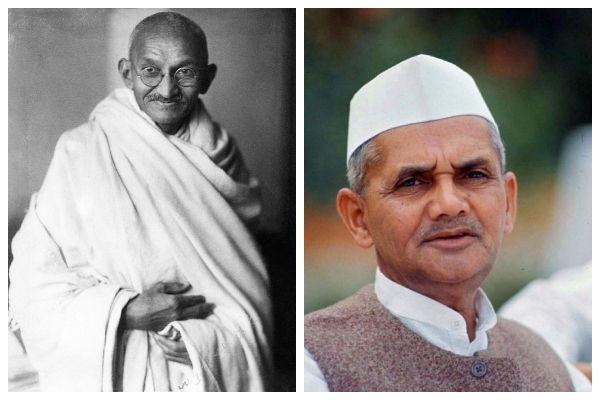 Gandhi's importance to the Congress was enormous. He transformed it from a largely political organisation into the principal vehicle of India's mass nationalist movement. But Gandhi's relationship with the Congress also contained an important contradiction. He did not necessarily see the organisation's post-Independence future in the form in which it eventually developed.
In his final months, Gandhi proposed that the Congress should disband its existing organisation and transform itself into a Lok Sevak Sangh. His argument was essentially that an organisation created to achieve national freedom should not simply convert itself into another political machine competing for governmental power. The Congress leadership chose a different path. It entered electoral politics and became the dominant governing party of independent India. That decision changed the character of the organisation.
There was nothing inherently illegitimate about the Congress becoming an electoral party. India needed political parties, elections and parliamentary government. The issue is different - the Congress inherited Gandhi's political symbolism more completely than it inherited all of Gandhi's reservations about power, political organisation and the relationship between means and ends. That distinction matters.
Gandhi was a mass political strategist, but he was also deeply suspicious of the concentration and institutionalisation of political power. His politics placed considerable emphasis on self-restraint, decentralisation, personal discipline and the relationship between political objectives and political methods. Independent India's Congress increasingly became a conventional political organisation electoral, parliamentary, governmental and eventually highly dependent on leadership structures and political personalities. That evolution deserves analysis rather than either celebration or condemnation.
Lal Bahadur Shastri offers an unusually useful counterpoint. He was not merely another Congress leader who happened to become Prime Minister. His political formation was deeply influenced by Gandhi. At sixteen, he responded to Gandhi's call during the Non-Cooperation Movement and abandoned his studies. He subsequently spent years in prison during the freedom struggle. After Independence, he moved through the Congress organisation and government, eventually becoming Prime Minister in 1964. The official account of his life describes him as deeply influenced by Gandhi's political teachings and as belonging to Gandhi's “direct tradition.”
But Shastri's importance is not that he followed Gandhi. It is that he demonstrated a particular ethic of public responsibility. The Railway Ministry episode remains the clearest example. After a railway accident in which many people were killed, Shastri resigned because he felt responsible as minister. Nehru explicitly stated in Parliament that Shastri was not personally responsible for the accident and accepted his resignation as an example of constitutional propriety. This was a significant conception of ministerial responsibility.
Shastri did not wait for someone to establish his personal culpability. He distinguished between legal responsibility and political responsibility. A minister might not have caused an administrative failure personally, but the office carried accountability for the functioning of the department. That convention has profound relevance to democratic government.
The modern political tendency is frequently the reverse. Leaders defend themselves by establishing that they did not personally commit the error. Responsibility travels downward to officials, departments, predecessors or circumstances. Shastri demonstrated another model - the office itself carries responsibility.
This is where Shastri becomes more than a sentimental figure of simplicity. He provides a test of political ethics. His tenure as Prime Minister was short less than two years but politically significant. The 1965 war, the strengthening of national confidence, his emphasis on the soldier and farmer and his role in laying foundations for agricultural policy made his premiership consequential. The government itself describes his “Jai Jawan, Jai Kisan” approach and his contribution to the foundations of the Green Revolution.
But his political legacy did not acquire anything approaching the institutional or dynastic continuity that followed Nehru. This is where the Congress story becomes complicated.
Shastri was a successful Congress organiser and administrator. He was not an outsider who was reluctantly admitted into power. The Congress leadership recognised his organisational ability and administrative competence long before he became Prime Minister. The official record notes his role in the party's election successes and his movement through several important Union ministries.
But after his sudden death in Tashkent in January 1966, the political trajectory of Congress moved rapidly into a different phase. The subsequent contest between the party's organisational leadership and Indira Gandhi, the eventual Congress split and the increasing centralisation of political authority transformed the party. The result was not necessarily the deliberate “erasure” of Shastri. That would be too simplistic.
The more interesting phenomenon was political overshadowing. Nehru became the foundational figure of the post-Independence Congress state. Indira Gandhi subsequently became the dominant personality of the party. The Nehru-Gandhi family acquired a continuity that Shastri, because of his short tenure and early death, never had the opportunity to develop.
Shastri was honoured. He was awarded the Bharat Ratna posthumously. His name remains attached to institutions, roads and public programmes. But political memory is not the same thing as official honour. A leader can be honoured ceremonially and still be marginal to the dominant political narrative. That distinction is important.
The same analytical distinction applies to Gandhi. The Congress never abandoned Gandhi symbolically. His image, language and vocabulary remained central to its public identity. But political inheritance is not established by portraits. It is established by institutional behaviour.
If Gandhi's politics emphasised moral means, restraint and decentralised social action, while the post-Independence Congress increasingly became a centralised electoral and governmental organisation, then the question is not whether Congress “forgot” Gandhi. The question is which Gandhi survived in Congress politics? The symbol survived. The political vocabulary survived. The spinning wheel, non-violence, secularism, village development, social harmony and the language of sacrifice survived in varying forms.
But some of Gandhi's more uncomfortable political propositions did not acquire the same institutional importance. His final proposal to transform the Congress after Independence is one example. His suspicion of political power as an end in itself is another. Shastri presents an even more uncomfortable question because his example was not theoretical. He demonstrated accountability in action.
He showed that resignation could be an instrument of political responsibility rather than merely a consequence of political defeat. He showed that personal simplicity could coexist with firmness. He showed that a Prime Minister did not require an elaborate personality cult to command authority. And yet this model did not become a durable convention of Indian politics. That is perhaps the most important lesson of October 2.
The question is not whether Gandhi was infallible. He was not. His political ideas, economic philosophy, views on modernity, industrialisation and social reform have been debated, challenged and revised by subsequent generations. Nor should Shastri be turned into an idealised figure immune from historical scrutiny. Their importance lies elsewhere. They provide two different ways of examining political power. Gandhi raises the question of political means. Shastri raises the question of political responsibility.
The first asks whether the method is consistent with the objective. The second asks whether the holder of office accepts responsibility for the consequences of exercising power. A mature democracy needs both questions. That is why October 2 should not become another exercise in political appropriation. Neither Gandhi nor Shastri belongs exclusively to the Congress. Neither belongs exclusively to any contemporary political camp.
But Congress, because it claims the historical inheritance of the freedom movement, has a particular reason to answer the question. What exactly survived from Gandhi in the Congress tradition — and why did Shastri's model of political responsibility fail to become a lasting political convention?
Those questions are more important than the speeches that will be delivered on October 2. Because political legacy is ultimately not about who is remembered. It is about which principles survive when the political convenience of following them disappears.
The more interesting question is what happened to their political ideas after Independence. What exactly survived from Gandhi in the Congress tradition and why did Shastri's model of political responsibility fail to become a lasting political convention? That is a question worth asking on October 2.
In his final months, Gandhi proposed that the Congress should disband its existing organisation and transform itself into a Lok Sevak Sangh. His argument was essentially that an organisation created to achieve national freedom should not simply convert itself into another political machine competing for governmental power. The Congress leadership chose a different path. It entered electoral politics and became the dominant governing party of independent India. That decision changed the character of the organisation.
There was nothing inherently illegitimate about the Congress becoming an electoral party. India needed political parties, elections and parliamentary government. The issue is different - the Congress inherited Gandhi's political symbolism more completely than it inherited all of Gandhi's reservations about power, political organisation and the relationship between means and ends. That distinction matters.
Gandhi was a mass political strategist, but he was also deeply suspicious of the concentration and institutionalisation of political power. His politics placed considerable emphasis on self-restraint, decentralisation, personal discipline and the relationship between political objectives and political methods. Independent India's Congress increasingly became a conventional political organisation electoral, parliamentary, governmental and eventually highly dependent on leadership structures and political personalities. That evolution deserves analysis rather than either celebration or condemnation.
Lal Bahadur Shastri offers an unusually useful counterpoint. He was not merely another Congress leader who happened to become Prime Minister. His political formation was deeply influenced by Gandhi. At sixteen, he responded to Gandhi's call during the Non-Cooperation Movement and abandoned his studies. He subsequently spent years in prison during the freedom struggle. After Independence, he moved through the Congress organisation and government, eventually becoming Prime Minister in 1964. The official account of his life describes him as deeply influenced by Gandhi's political teachings and as belonging to Gandhi's “direct tradition.”
But Shastri's importance is not that he followed Gandhi. It is that he demonstrated a particular ethic of public responsibility. The Railway Ministry episode remains the clearest example. After a railway accident in which many people were killed, Shastri resigned because he felt responsible as minister. Nehru explicitly stated in Parliament that Shastri was not personally responsible for the accident and accepted his resignation as an example of constitutional propriety. This was a significant conception of ministerial responsibility.
Shastri did not wait for someone to establish his personal culpability. He distinguished between legal responsibility and political responsibility. A minister might not have caused an administrative failure personally, but the office carried accountability for the functioning of the department. That convention has profound relevance to democratic government.
The modern political tendency is frequently the reverse. Leaders defend themselves by establishing that they did not personally commit the error. Responsibility travels downward to officials, departments, predecessors or circumstances. Shastri demonstrated another model - the office itself carries responsibility.
This is where Shastri becomes more than a sentimental figure of simplicity. He provides a test of political ethics. His tenure as Prime Minister was short less than two years but politically significant. The 1965 war, the strengthening of national confidence, his emphasis on the soldier and farmer and his role in laying foundations for agricultural policy made his premiership consequential. The government itself describes his “Jai Jawan, Jai Kisan” approach and his contribution to the foundations of the Green Revolution.
But his political legacy did not acquire anything approaching the institutional or dynastic continuity that followed Nehru. This is where the Congress story becomes complicated.
Shastri was a successful Congress organiser and administrator. He was not an outsider who was reluctantly admitted into power. The Congress leadership recognised his organisational ability and administrative competence long before he became Prime Minister. The official record notes his role in the party's election successes and his movement through several important Union ministries.
But after his sudden death in Tashkent in January 1966, the political trajectory of Congress moved rapidly into a different phase. The subsequent contest between the party's organisational leadership and Indira Gandhi, the eventual Congress split and the increasing centralisation of political authority transformed the party. The result was not necessarily the deliberate “erasure” of Shastri. That would be too simplistic.
The more interesting phenomenon was political overshadowing. Nehru became the foundational figure of the post-Independence Congress state. Indira Gandhi subsequently became the dominant personality of the party. The Nehru-Gandhi family acquired a continuity that Shastri, because of his short tenure and early death, never had the opportunity to develop.
Shastri was honoured. He was awarded the Bharat Ratna posthumously. His name remains attached to institutions, roads and public programmes. But political memory is not the same thing as official honour. A leader can be honoured ceremonially and still be marginal to the dominant political narrative. That distinction is important.
The same analytical distinction applies to Gandhi. The Congress never abandoned Gandhi symbolically. His image, language and vocabulary remained central to its public identity. But political inheritance is not established by portraits. It is established by institutional behaviour.
If Gandhi's politics emphasised moral means, restraint and decentralised social action, while the post-Independence Congress increasingly became a centralised electoral and governmental organisation, then the question is not whether Congress “forgot” Gandhi. The question is which Gandhi survived in Congress politics? The symbol survived. The political vocabulary survived. The spinning wheel, non-violence, secularism, village development, social harmony and the language of sacrifice survived in varying forms.
But some of Gandhi's more uncomfortable political propositions did not acquire the same institutional importance. His final proposal to transform the Congress after Independence is one example. His suspicion of political power as an end in itself is another. Shastri presents an even more uncomfortable question because his example was not theoretical. He demonstrated accountability in action.
He showed that resignation could be an instrument of political responsibility rather than merely a consequence of political defeat. He showed that personal simplicity could coexist with firmness. He showed that a Prime Minister did not require an elaborate personality cult to command authority. And yet this model did not become a durable convention of Indian politics. That is perhaps the most important lesson of October 2.
The question is not whether Gandhi was infallible. He was not. His political ideas, economic philosophy, views on modernity, industrialisation and social reform have been debated, challenged and revised by subsequent generations. Nor should Shastri be turned into an idealised figure immune from historical scrutiny. Their importance lies elsewhere. They provide two different ways of examining political power. Gandhi raises the question of political means. Shastri raises the question of political responsibility.
The first asks whether the method is consistent with the objective. The second asks whether the holder of office accepts responsibility for the consequences of exercising power. A mature democracy needs both questions. That is why October 2 should not become another exercise in political appropriation. Neither Gandhi nor Shastri belongs exclusively to the Congress. Neither belongs exclusively to any contemporary political camp.
But Congress, because it claims the historical inheritance of the freedom movement, has a particular reason to answer the question. What exactly survived from Gandhi in the Congress tradition — and why did Shastri's model of political responsibility fail to become a lasting political convention?
Those questions are more important than the speeches that will be delivered on October 2. Because political legacy is ultimately not about who is remembered. It is about which principles survive when the political convenience of following them disappears.