Internet Freedom: A Constitutional Right, a Moral Responsibility
The judgment, however, deserves to be examined beyond its immediate legal implications.
Total Views |


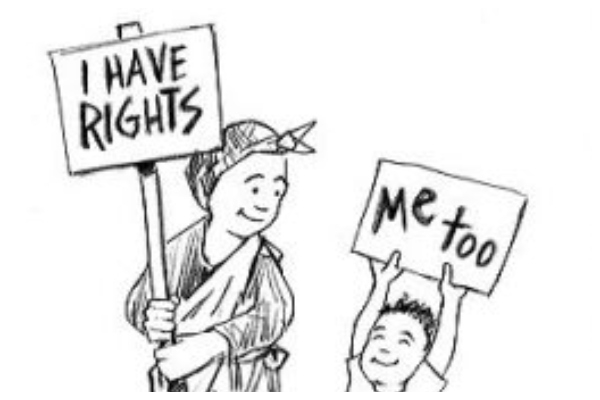
The Supreme Court’s recognition of internet access as a fundamental right is an important development in India’s constitutional jurisprudence. In its order of October 15 in Just Rights for Children Alliance v. S. Harish, the Court held that the right to access and use the internet is a fundamental right under Articles 21, which guarantees life and personal liberty, and 19(1)(a), which protects freedom of speech and expression. Significantly, it extended this recognition to children, irrespective of their age, and rejected the argument that protecting them from online dangers requires denying them access altogether.
Freedom cannot be separated from responsibility.
The Court’s reasoning rests on a fundamental principle - children should not be punished for the failures of those who exploit them or of platforms that fail to protect them. As the Court observed, measures for children's safety must target harmful material and those responsible for it, rather than children themselves. To exclude children from the internet because of the misconduct of others would amount to mistaking the victim for the problem.
This reasoning is both constitutionally sound and morally significant. A child who needs the internet for education, information or communication should not lose those opportunities because some individuals misuse the same medium. Nor should the failures of technology companies become a justification for depriving an entire generation of access to knowledge.
But recognising this principle does not mean that unrestricted internet use is desirable, particularly for children. Freedom of access and freedom from harm are complementary objectives. The task is to reconcile them through proportionate safeguards, responsible supervision and the cultivation of sound judgement.
The Constitution protects rights; society must cultivate values.
Articles 21 and 19(1)(a) provide the constitutional foundation for the right recognised by the Court. Such recognition places limits on arbitrary restrictions and strengthens the protection available to individuals who depend on the internet to exercise their freedoms.
However, constitutional law cannot, by itself, create a morally responsible digital society. A legal prohibition may deter an offence, and technological controls may block certain material, but neither can independently cultivate compassion, self-restraint, respect for others or the ability to distinguish right from wrong.
These qualities must be nurtured through families, schools, social institutions and the wider culture. Children need to understand not only how to use digital technology, but also how to use it responsibly. They must learn that the anonymity offered by a screen does not remove accountability, that consent and dignity matter online as much as offline, and that forwarding abusive material can perpetuate the suffering of its victims.
Digital literacy, therefore, cannot be confined to technical proficiency. It must include ethical literacy.
Individual Rights and the Indian Idea of Social Responsibility
There is a larger philosophical question that deserves attention as the scope of fundamental rights expands. Modern liberal thought, particularly in its Western tradition, places considerable emphasis on individual autonomy and the protection of personal freedom. This has made an important contribution to constitutional democracy. But when individual rights become the dominant lens through which every social relationship is viewed, there is a danger that personal autonomy may gradually overshadow social obligations.
India's civilisational experience rests on a more interconnected understanding of human life. The individual is important, but the individual also belongs to a family, a community and a wider society. Family relationships require adjustment, mutual respect, sacrifice and accommodation. These are not signs of a loss of freedom; they are essential conditions of living together. The Indian family system, despite its own imperfections, has historically provided a framework for intergenerational responsibility, care and social solidarity.
The concern, therefore, is not that constitutional rights should be restricted to preserve traditional arrangements. Rights are essential safeguards against arbitrary power, discrimination and abuse. The concern is that an ever-expanding emphasis on individual entitlement, without a corresponding emphasis on duties, may encourage a more self-centred social outlook. If every question is reduced to what an individual is entitled to demand, society may gradually lose sight of what individuals owe one another.
The digital world makes this concern particularly relevant. Internet access empowers individuals, but digital freedom also affects families, relationships and communities. The ability to express oneself does not justify humiliating another person; access to information does not justify invading another's privacy; and personal freedom cannot become a licence to disregard the dignity or safety of others.
India must therefore protect fundamental rights without allowing the language of individual freedom to eclipse the values of mutual responsibility and social accommodation. The objective should be neither an individual crushed by collective authority nor an individual detached from social obligations. It should be a responsible citizen whose freedoms strengthen, rather than weaken, the social fabric.
A mature constitutional democracy must recognise that rights protect the individual, while responsibility sustains society. Neither can remain healthy for long if the other is neglected.
The responsibility of parents and educational institutions
The Court’s emphasis on digital-safety education, teacher training and parental awareness recognises that child protection cannot be left to government regulation alone.
Parents have an important responsibility to guide children in navigating the digital world. Supervision should be proportionate to the child’s age and maturity, while allowing sufficient space for learning, exploration and the development of independent judgement. Blanket prohibition may appear to offer an easy solution, but it can deprive children of legitimate opportunities without necessarily eliminating exposure to harmful material.
Schools, meanwhile, must equip students to recognise online manipulation, grooming, exploitation, cyberbullying and inappropriate content. Children should know how to seek help and report abuse without fear of humiliation or punishment. Sex education appropriate to their age, instruction on consent and awareness of personal boundaries are essential components of this effort.
Such education should not merely warn children about danger. It should help them develop the moral confidence to resist exploitation, respect others and exercise freedom responsibly.
The judgment also raises important questions about the responsibilities of digital platforms. Companies that profit from user engagement cannot treat child safety as a peripheral concern. Their systems for reporting abuse, removing illegal material and responding to complaints must function effectively.
The Court’s directions concerning the detection and removal of child sexual exploitation and abuse material, grievance mechanisms and stronger accountability address this responsibility directly. Platforms must not be allowed to benefit commercially from digital activity while treating the consequences of their failures as someone else’s problem.
The issue is not whether technology companies should be subjected to arbitrary control. It is whether their obligations to protect vulnerable users should be taken seriously and enforced effectively. Commercial freedom, like individual freedom, operates within a framework of legal and ethical responsibility.
Freedom must serve human dignity, not undermine it.
The internet magnifies both the constructive and destructive capacities of human beings. It can spread knowledge, strengthen communication and open opportunities for people who might otherwise remain excluded. It can also facilitate humiliation, exploitation and the circulation of material that inflicts lasting harm on victims.
The answer cannot be to deny the benefits of technology because it can be misused. Equally, the benefits of technology cannot excuse indifference to its destructive consequences.
The constitutional principle established by the Supreme Court must therefore be accompanied by a social commitment to responsible use. The State must respect fundamental rights and enforce the law; platforms must discharge their obligations; parents and teachers must guide children; and citizens must recognise that their freedom carries consequences for others.
This is not an argument for imposing a single moral outlook through state coercion. It is an argument for upholding basic values that sustain a civilised society: dignity, consent, responsibility, compassion and respect for the rights of others.
A right is the beginning, not the end, of the debate.
The Supreme Court has established an important constitutional principle: protecting children from online harm cannot mean excluding them altogether from the digital world. But the larger challenge is to ensure that access translates into meaningful opportunities for learning, expression and development rather than exposure to exploitation.
A constitutional democracy must protect freedom without abandoning responsibility. Laws can define boundaries and courts can enforce rights, but a healthy society also requires citizens who understand the ethical obligations accompanying their freedoms.
India must be particularly conscious of the balance between individual liberty and collective well-being. Its constitutional democracy must protect every individual's dignity while preserving the values of family, mutual obligation and social solidarity. The expansion of rights should enlarge human freedom without diminishing the capacity to live harmoniously with others.
The real measure of progress will not be the number of people connected to the internet alone. It will also be whether the digital world enables human development while protecting dignity and discouraging exploitation.
The Constitution can guarantee the right to enter the digital world. Only a combination of effective law, responsible institutions and sound moral values can help ensure that the world people enter is worthy of their freedom. Ultimately, the measure of a free society is not merely how much freedom it grants to individuals, but how wisely that freedom is exercised and whether it strengthens the society in which those individuals live.
The judgment, however, deserves to be examined beyond its immediate legal implications. Internet access is no longer merely a technological convenience. It has become a medium of education, information, communication, expression and social participation. But the internet is also a space where exploitation, obscenity, deception, abuse and criminality can flourish. The challenge before society is therefore not simply to protect a constitutional right, but to ensure that the exercise of that right remains consistent with human dignity, individual responsibility and social morality.
Freedom cannot be separated from responsibility.
The Court’s reasoning rests on a fundamental principle - children should not be punished for the failures of those who exploit them or of platforms that fail to protect them. As the Court observed, measures for children's safety must target harmful material and those responsible for it, rather than children themselves. To exclude children from the internet because of the misconduct of others would amount to mistaking the victim for the problem.
This reasoning is both constitutionally sound and morally significant. A child who needs the internet for education, information or communication should not lose those opportunities because some individuals misuse the same medium. Nor should the failures of technology companies become a justification for depriving an entire generation of access to knowledge.
But recognising this principle does not mean that unrestricted internet use is desirable, particularly for children. Freedom of access and freedom from harm are complementary objectives. The task is to reconcile them through proportionate safeguards, responsible supervision and the cultivation of sound judgement.
The Constitution protects rights; society must cultivate values.
Articles 21 and 19(1)(a) provide the constitutional foundation for the right recognised by the Court. Such recognition places limits on arbitrary restrictions and strengthens the protection available to individuals who depend on the internet to exercise their freedoms.
However, constitutional law cannot, by itself, create a morally responsible digital society. A legal prohibition may deter an offence, and technological controls may block certain material, but neither can independently cultivate compassion, self-restraint, respect for others or the ability to distinguish right from wrong.
These qualities must be nurtured through families, schools, social institutions and the wider culture. Children need to understand not only how to use digital technology, but also how to use it responsibly. They must learn that the anonymity offered by a screen does not remove accountability, that consent and dignity matter online as much as offline, and that forwarding abusive material can perpetuate the suffering of its victims.
Digital literacy, therefore, cannot be confined to technical proficiency. It must include ethical literacy.
Individual Rights and the Indian Idea of Social Responsibility
There is a larger philosophical question that deserves attention as the scope of fundamental rights expands. Modern liberal thought, particularly in its Western tradition, places considerable emphasis on individual autonomy and the protection of personal freedom. This has made an important contribution to constitutional democracy. But when individual rights become the dominant lens through which every social relationship is viewed, there is a danger that personal autonomy may gradually overshadow social obligations.
India's civilisational experience rests on a more interconnected understanding of human life. The individual is important, but the individual also belongs to a family, a community and a wider society. Family relationships require adjustment, mutual respect, sacrifice and accommodation. These are not signs of a loss of freedom; they are essential conditions of living together. The Indian family system, despite its own imperfections, has historically provided a framework for intergenerational responsibility, care and social solidarity.
The concern, therefore, is not that constitutional rights should be restricted to preserve traditional arrangements. Rights are essential safeguards against arbitrary power, discrimination and abuse. The concern is that an ever-expanding emphasis on individual entitlement, without a corresponding emphasis on duties, may encourage a more self-centred social outlook. If every question is reduced to what an individual is entitled to demand, society may gradually lose sight of what individuals owe one another.
The digital world makes this concern particularly relevant. Internet access empowers individuals, but digital freedom also affects families, relationships and communities. The ability to express oneself does not justify humiliating another person; access to information does not justify invading another's privacy; and personal freedom cannot become a licence to disregard the dignity or safety of others.
India must therefore protect fundamental rights without allowing the language of individual freedom to eclipse the values of mutual responsibility and social accommodation. The objective should be neither an individual crushed by collective authority nor an individual detached from social obligations. It should be a responsible citizen whose freedoms strengthen, rather than weaken, the social fabric.
A mature constitutional democracy must recognise that rights protect the individual, while responsibility sustains society. Neither can remain healthy for long if the other is neglected.
The responsibility of parents and educational institutions
The Court’s emphasis on digital-safety education, teacher training and parental awareness recognises that child protection cannot be left to government regulation alone.
Parents have an important responsibility to guide children in navigating the digital world. Supervision should be proportionate to the child’s age and maturity, while allowing sufficient space for learning, exploration and the development of independent judgement. Blanket prohibition may appear to offer an easy solution, but it can deprive children of legitimate opportunities without necessarily eliminating exposure to harmful material.
Schools, meanwhile, must equip students to recognise online manipulation, grooming, exploitation, cyberbullying and inappropriate content. Children should know how to seek help and report abuse without fear of humiliation or punishment. Sex education appropriate to their age, instruction on consent and awareness of personal boundaries are essential components of this effort.
Such education should not merely warn children about danger. It should help them develop the moral confidence to resist exploitation, respect others and exercise freedom responsibly.
Technology companies cannot escape moral accountability.
The judgment also raises important questions about the responsibilities of digital platforms. Companies that profit from user engagement cannot treat child safety as a peripheral concern. Their systems for reporting abuse, removing illegal material and responding to complaints must function effectively.
The Court’s directions concerning the detection and removal of child sexual exploitation and abuse material, grievance mechanisms and stronger accountability address this responsibility directly. Platforms must not be allowed to benefit commercially from digital activity while treating the consequences of their failures as someone else’s problem.
The issue is not whether technology companies should be subjected to arbitrary control. It is whether their obligations to protect vulnerable users should be taken seriously and enforced effectively. Commercial freedom, like individual freedom, operates within a framework of legal and ethical responsibility.
Freedom must serve human dignity, not undermine it.
The internet magnifies both the constructive and destructive capacities of human beings. It can spread knowledge, strengthen communication and open opportunities for people who might otherwise remain excluded. It can also facilitate humiliation, exploitation and the circulation of material that inflicts lasting harm on victims.
The answer cannot be to deny the benefits of technology because it can be misused. Equally, the benefits of technology cannot excuse indifference to its destructive consequences.
The constitutional principle established by the Supreme Court must therefore be accompanied by a social commitment to responsible use. The State must respect fundamental rights and enforce the law; platforms must discharge their obligations; parents and teachers must guide children; and citizens must recognise that their freedom carries consequences for others.
This is not an argument for imposing a single moral outlook through state coercion. It is an argument for upholding basic values that sustain a civilised society: dignity, consent, responsibility, compassion and respect for the rights of others.
A right is the beginning, not the end, of the debate.
The Supreme Court has established an important constitutional principle: protecting children from online harm cannot mean excluding them altogether from the digital world. But the larger challenge is to ensure that access translates into meaningful opportunities for learning, expression and development rather than exposure to exploitation.
A constitutional democracy must protect freedom without abandoning responsibility. Laws can define boundaries and courts can enforce rights, but a healthy society also requires citizens who understand the ethical obligations accompanying their freedoms.
India must be particularly conscious of the balance between individual liberty and collective well-being. Its constitutional democracy must protect every individual's dignity while preserving the values of family, mutual obligation and social solidarity. The expansion of rights should enlarge human freedom without diminishing the capacity to live harmoniously with others.
The real measure of progress will not be the number of people connected to the internet alone. It will also be whether the digital world enables human development while protecting dignity and discouraging exploitation.
The Constitution can guarantee the right to enter the digital world. Only a combination of effective law, responsible institutions and sound moral values can help ensure that the world people enter is worthy of their freedom. Ultimately, the measure of a free society is not merely how much freedom it grants to individuals, but how wisely that freedom is exercised and whether it strengthens the society in which those individuals live.