Rahul Baba: Why Frequent Foreign Tours? Who Is Filling Your Balloon?
Rahul Gandhi is the Leader of the Opposition, not an ordinary private citizen without public responsibilities.
Total Views |


This is hardly the first time Rahul Gandhi's overseas travel has generated controversy. In 2015, his absence from India lasted approximately 60 days. It was reported that he visited Thailand, Cambodia, Myanmar and Vietnam during that trip. The episode generated questions because the purpose and itinerary of his journey were not immediately clear to the public.
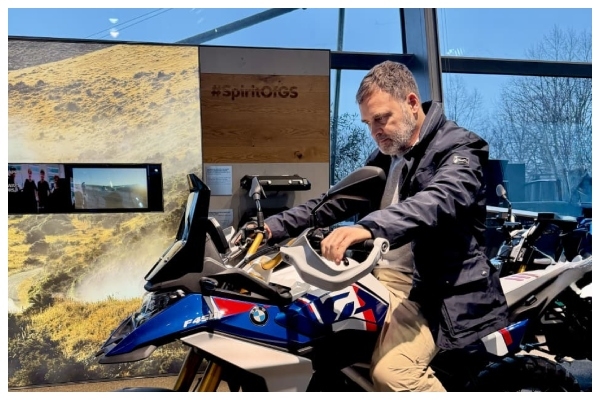
The recurring controversy involving Rahul’s foreign tours raises a reasonable question. Why does the subject of Rahul Gandhi's foreign travel so frequently become entangled with uncertainty about his itinerary, purpose and timing?
A public figure is not obliged to publish every private conversation or personal engagement. Nor does every foreign visit require a political explanation. But a persistent absence of basic information creates an avoidable vacuum, which political opponents inevitably exploit.
Congress cannot complain about that vacuum while offering little more than the argument that its leader is entitled to a private life.
The timing of the latest trip has become particularly contentious because of the political circumstances in which it occurred. Rahul Gandhi has repeatedly accused the government and constitutional institutions of undermining democratic principles. His political strategy relies heavily on public mobilisation, confrontational rhetoric and allegations of institutional wrongdoing.
Such a strategy carries responsibilities. When a leader calls upon citizens and party workers to mobilise around a national political issue, the public is entitled to ask whether he intends to remain engaged with that campaign.
The criticism is not that a politician must never take a break. It is that political agitation cannot be treated as a convenient instrument for generating headlines while the leader's own schedule remains unexplained.
Shashi Tharoor's response to questions about Gandhi's trip on October 21 “I am not a travel agent” did not clarify the itinerary. Congress leaders have defended Gandhi's right to travel, but a defence of that right is not the same as providing basic information about a public leader's movements.
Where is Rahul Gandhi? When is he expected back? Is the visit entirely private, or does it include political, academic or other engagements? These are straightforward questions. They do not require speculation or insinuation. They require straightforward answers.
There is a larger political question behind this controversy. A balloon rises when air is pumped into it. Its height, however, does not establish the strength of its material. The air that gives it volume also determines whether it can remain inflated.
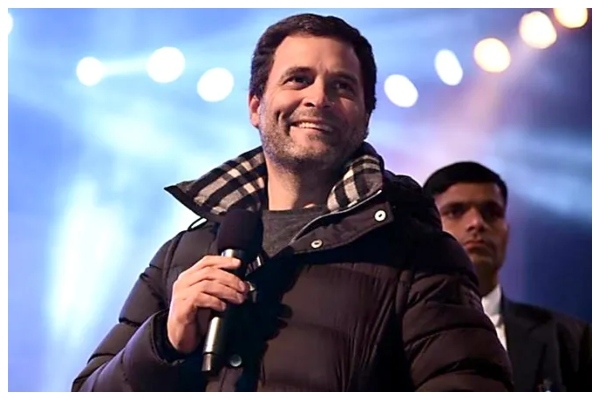
In Rahul Gandhi's case, this is a question of political substance rather than a conclusion that can be established by his travel schedule alone.
A political leader cannot build lasting credibility merely by making dramatic accusations against institutions. He must demonstrate organisational discipline, communicate clearly with his supporters and remain accountable for the positions he takes.
Repeated controversies over unexplained absences has already undermined that credibility. They allow opponents to portray political campaigns as episodic exercises rather than sustained efforts to address public concerns.
The balloon analogy is therefore not about whether Gandhi travels abroad. It is about whether political visibility is backed by durable political strength.
Rahul Gandhi is the Leader of the Opposition, not an ordinary private citizen without public responsibilities. His office does not extinguish his right to privacy, but it does give his political conduct a wider public significance.
The Congress must recognise that the questions surrounding his travel will not disappear merely by dismissing them as political attacks. If the visit is private, say so clearly. If a return date is known, communicate it. If allegations about the number, funding or circumstances of earlier trips are disputed, respond with verifiable information rather than counterattacks.
Rahul Gandhi has repeatedly faced political scrutiny over allegations of foreign connections and claims that forces beyond India’s borders influence his political agenda. The persistent mystery surrounding his foreign visits, coupled with the absence of clear public explanations, has created a perception problem that his opponents are quick to exploit. In electoral politics, perception can be as consequential as proof: a candidate need not be convicted of wrongdoing to suffer politically; public suspicion, if it takes root and remains unanswered, can erode credibility and cost him votes at the ballot box.
The larger point is simple: transparency strengthens public confidence, while avoidable secrecy invites suspicion. Rahul Gandhi frequently asks the country to question those in power. He should have no difficulty answering legitimate questions about his own political conduct. So, Rahul Baba, where are you?
The country does not need a dramatic explanation. It needs a clear answer. A political leader who wants to lead a national campaign must be prepared to face public questions about his own choices.
A balloon may rise on borrowed air. Political credibility, however, must ultimately be sustained by substance, consistency and accountability.
More recently, in May 2026, the BJP alleged that Gandhi had undertaken 54 personal foreign trips between 2004 and 2026. It named countries including Italy, the United Kingdom, the United States, Germany, Vietnam, Cambodia, Singapore, Bahrain, the Maldives, Qatar and the United Arab Emirates. Other reports have also mentioned Thailand and Oman.
The recurring controversy involving Rahul’s foreign tours raises a reasonable question. Why does the subject of Rahul Gandhi's foreign travel so frequently become entangled with uncertainty about his itinerary, purpose and timing?
A public figure is not obliged to publish every private conversation or personal engagement. Nor does every foreign visit require a political explanation. But a persistent absence of basic information creates an avoidable vacuum, which political opponents inevitably exploit.
Congress cannot complain about that vacuum while offering little more than the argument that its leader is entitled to a private life.
The timing of the latest trip has become particularly contentious because of the political circumstances in which it occurred. Rahul Gandhi has repeatedly accused the government and constitutional institutions of undermining democratic principles. His political strategy relies heavily on public mobilisation, confrontational rhetoric and allegations of institutional wrongdoing.
Such a strategy carries responsibilities. When a leader calls upon citizens and party workers to mobilise around a national political issue, the public is entitled to ask whether he intends to remain engaged with that campaign.
The criticism is not that a politician must never take a break. It is that political agitation cannot be treated as a convenient instrument for generating headlines while the leader's own schedule remains unexplained.
Shashi Tharoor's response to questions about Gandhi's trip on October 21 “I am not a travel agent” did not clarify the itinerary. Congress leaders have defended Gandhi's right to travel, but a defence of that right is not the same as providing basic information about a public leader's movements.
Where is Rahul Gandhi? When is he expected back? Is the visit entirely private, or does it include political, academic or other engagements? These are straightforward questions. They do not require speculation or insinuation. They require straightforward answers.
There is a larger political question behind this controversy. A balloon rises when air is pumped into it. Its height, however, does not establish the strength of its material. The air that gives it volume also determines whether it can remain inflated.
The analogy offers a useful way of examining political leadership. Is a leader's influence sustained by a strong grassroots organisation, a durable political philosophy and consistent engagement with citizens? Or does it depend disproportionately on external amplification, publicity campaigns and the temporary mobilisation of public anger?
In Rahul Gandhi's case, this is a question of political substance rather than a conclusion that can be established by his travel schedule alone.
A political leader cannot build lasting credibility merely by making dramatic accusations against institutions. He must demonstrate organisational discipline, communicate clearly with his supporters and remain accountable for the positions he takes.
Repeated controversies over unexplained absences has already undermined that credibility. They allow opponents to portray political campaigns as episodic exercises rather than sustained efforts to address public concerns.
The balloon analogy is therefore not about whether Gandhi travels abroad. It is about whether political visibility is backed by durable political strength.
Rahul Gandhi is the Leader of the Opposition, not an ordinary private citizen without public responsibilities. His office does not extinguish his right to privacy, but it does give his political conduct a wider public significance.
The Congress must recognise that the questions surrounding his travel will not disappear merely by dismissing them as political attacks. If the visit is private, say so clearly. If a return date is known, communicate it. If allegations about the number, funding or circumstances of earlier trips are disputed, respond with verifiable information rather than counterattacks.
Rahul Gandhi has repeatedly faced political scrutiny over allegations of foreign connections and claims that forces beyond India’s borders influence his political agenda. The persistent mystery surrounding his foreign visits, coupled with the absence of clear public explanations, has created a perception problem that his opponents are quick to exploit. In electoral politics, perception can be as consequential as proof: a candidate need not be convicted of wrongdoing to suffer politically; public suspicion, if it takes root and remains unanswered, can erode credibility and cost him votes at the ballot box.
The larger point is simple: transparency strengthens public confidence, while avoidable secrecy invites suspicion. Rahul Gandhi frequently asks the country to question those in power. He should have no difficulty answering legitimate questions about his own political conduct. So, Rahul Baba, where are you?
The country does not need a dramatic explanation. It needs a clear answer. A political leader who wants to lead a national campaign must be prepared to face public questions about his own choices.
A balloon may rise on borrowed air. Political credibility, however, must ultimately be sustained by substance, consistency and accountability.