Eradicate Hindutva? SFI Must Answer
The confrontation did not begin in London.
Total Views |


A demand to eradicate Hindutva goes beyond opposition to the BJP and RSS. If the words mean the elimination of a wider Hindu cultural identity, they raise an alarming question about the place of civilisational pluralism in the communist worldview. SFI must explain what it means and accept responsibility for the language it uses.
“Removing BJP and RSS won’t be enough. We must eradicate Hindutva; we need freedom from Hindutva!”
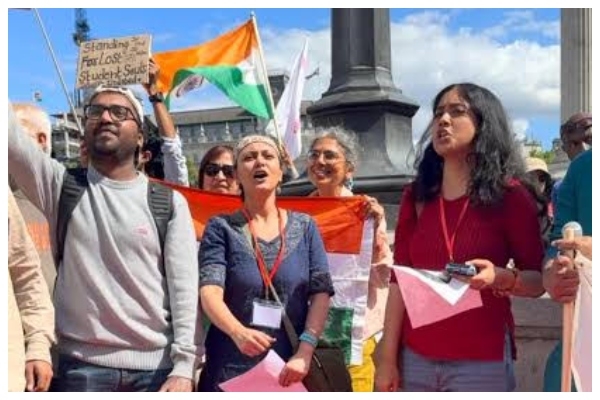
If accurately quoted and attributed, these words, associated with an SFI agitation in London, demand serious scrutiny. The distinction between opposing a political organisation and calling for the eradication of an ideology is fundamental. When that ideology is deeply connected, for many of its adherents, with a broader cultural and civilisational identity, the implications become more serious still.
The BJP can be defeated electorally. The RSS can be criticised, challenged and opposed. Hindutva can be debated as a political philosophy. These are legitimate elements of democratic contestation. But the language of eradication introduces a different dimension.
Hindutva has multiple interpretations. It is associated with a particular conception of Hindu cultural nationalism, but its meaning in political debate cannot automatically be equated with Hinduism as a religion or with every aspect of Hindu civilisation. Equally, it cannot be assumed that every person who identifies with Hindutva understands it in the same way.
That complexity makes the reported slogan more not less important to examine. If its proponents intend only to defeat an ideological project, they should state so clearly. If they mean to eliminate the cultural traditions, institutions and expressions associated with Hindu identity, their demand would cross a fundamental democratic boundary.
A political ideology may be contested; a community's freedom to preserve and express its cultural identity must not become the target of political eradication. This is why critics may describe the slogan as suggestive of cultural genocide.
The confrontation did not begin in London. The communist movement has long opposed the RSS and Hindutva as political and ideological forces. The CPI(M)'s official political programme identifies Hindutva politics as a major adversary and argues that the BJP-RSS project threatens its conception of secularism. This opposition is part of the documented ideological position of the party.
The deeper conflict concerns competing understandings of Indian society and nationhood. Marxist traditions emphasise class relations, material conditions and class struggle. Hindutva, in its political formulation, places considerable emphasis on civilisational continuity, cultural nationalism and India's Hindu heritage.
The relevant question is whether SFI's language reflects an intention to defeat a political philosophy through democratic argument or something more expansive. The answer must come from the organisers and speakers themselves, supported by the complete speech and its context.
The slogan's use of the word “freedom” deserves particular attention. Freedom from political domination is not the same as freedom from a cultural tradition. Freedom to criticise an ideology does not confer a right to deny others the freedom to identify with it.
The international setting raises additional questions. Why was this message presented at a rally in London? What was the demonstration's precise objective, and how did the organisers explain the relationship between opposition to the BJP-RSS and the demand to eradicate Hindutva?
Taking an Indian political argument abroad is not, by itself, evidence of foreign interference or conspiracy. Diaspora communities and political organisations have every right to discuss developments in India. Any allegation of external direction or funding would require independent evidence.
But international platforms do not exempt political activists from scrutiny. If a movement chooses to communicate its position before an international audience, it should be prepared to explain its terminology, its objectives and the implications of its demands.
SFI must clarify whether the slogan represents its official position, the personal words of an individual speaker or a formulation used in a particular protest. The original recording and complete context should establish what was said and by whom. Accountability must rest on verified facts rather than assumption.
India's constitutional democracy protects freedom of expression, conscience and cultural practice. The test of pluralism is whether a movement respects the right of others to hold convictions it strongly rejects. A demand to eradicate a political ideology through democratic debate is one thing. A demand that a cultural tradition cease to exist is another. The latter, if that is what is intended, would strike at the foundations of a plural society.
The response must therefore be firm and precise. SFI should explain the meaning of its slogan, identify what it seeks to eradicate and clarify whether it distinguishes political opposition from Hindu cultural identity. Its supporters should address those questions rather than dismissing scrutiny as an attempt to silence dissent.
The same standards must apply to all political movements. No organisation should be permitted to cloak hostility towards a community's cultural existence in the language of liberation. Nor should an allegation of cultural elimination be made without examining the evidence.
The London slogan has raised questions that cannot be answered merely by invoking the right to protest. That right is unquestionable. So is the public's right to examine the language and objectives of those who exercise it.
If SFI wants the BJP and RSS defeated, it should argue for their defeat. If it wants Hindutva rejected as a political philosophy, it should make that case openly. But if “eradication” means the disappearance of a wider Hindu cultural identity, the organisation must explain how such a demand can be reconciled with pluralism and the equal freedom of citizens to preserve their traditions.
Opposition is democratic. Debate is legitimate. Cultural erasure is a different proposition altogether.
SFI must clarify where its demand stands. Until it does, the slogan will remain a troubling example of political language whose implications reach far beyond party competition.
“Removing BJP and RSS won’t be enough. We must eradicate Hindutva; we need freedom from Hindutva!”
If accurately quoted and attributed, these words, associated with an SFI agitation in London, demand serious scrutiny. The distinction between opposing a political organisation and calling for the eradication of an ideology is fundamental. When that ideology is deeply connected, for many of its adherents, with a broader cultural and civilisational identity, the implications become more serious still.
The question is not whether SFI has the right to oppose the BJP, the RSS or Hindutva. The question is what its demand to “eradicate” Hindutva actually means.
The BJP can be defeated electorally. The RSS can be criticised, challenged and opposed. Hindutva can be debated as a political philosophy. These are legitimate elements of democratic contestation. But the language of eradication introduces a different dimension.
Hindutva has multiple interpretations. It is associated with a particular conception of Hindu cultural nationalism, but its meaning in political debate cannot automatically be equated with Hinduism as a religion or with every aspect of Hindu civilisation. Equally, it cannot be assumed that every person who identifies with Hindutva understands it in the same way.
That complexity makes the reported slogan more not less important to examine. If its proponents intend only to defeat an ideological project, they should state so clearly. If they mean to eliminate the cultural traditions, institutions and expressions associated with Hindu identity, their demand would cross a fundamental democratic boundary.
A political ideology may be contested; a community's freedom to preserve and express its cultural identity must not become the target of political eradication. This is why critics may describe the slogan as suggestive of cultural genocide.
The confrontation did not begin in London. The communist movement has long opposed the RSS and Hindutva as political and ideological forces. The CPI(M)'s official political programme identifies Hindutva politics as a major adversary and argues that the BJP-RSS project threatens its conception of secularism. This opposition is part of the documented ideological position of the party.
The deeper conflict concerns competing understandings of Indian society and nationhood. Marxist traditions emphasise class relations, material conditions and class struggle. Hindutva, in its political formulation, places considerable emphasis on civilisational continuity, cultural nationalism and India's Hindu heritage.
The relevant question is whether SFI's language reflects an intention to defeat a political philosophy through democratic argument or something more expansive. The answer must come from the organisers and speakers themselves, supported by the complete speech and its context.
The slogan's use of the word “freedom” deserves particular attention. Freedom from political domination is not the same as freedom from a cultural tradition. Freedom to criticise an ideology does not confer a right to deny others the freedom to identify with it.
If SFI believes Hindutva is harmful, it should explain why and defend that position through evidence and argument. If it believes the RSS's political influence should be defeated, it should say so. But if it is demanding that Hindu cultural expressions associated with Hindutva be eliminated, it must explain how that demand can coexist with freedom of conscience, cultural rights and democratic pluralism.
Just removing BJP and RSS won't achieve anything. We must eradicate Hindutva; we need freedom from Hindutva: SFI pic.twitter.com/iDVFopFQlX
— Megh Updates 🚨™ (@MeghUpdates) October 23, 2026
The ambiguity cannot be dismissed as a minor choice of words. Political language shapes the boundaries of legitimate disagreement. When the word “eradicate” is directed at an ideology associated by many people with their cultural identity, the speaker and organizers bear a responsibility to clarify its meaning. SFI be held accountable for its own language.
The international setting raises additional questions. Why was this message presented at a rally in London? What was the demonstration's precise objective, and how did the organisers explain the relationship between opposition to the BJP-RSS and the demand to eradicate Hindutva?
Taking an Indian political argument abroad is not, by itself, evidence of foreign interference or conspiracy. Diaspora communities and political organisations have every right to discuss developments in India. Any allegation of external direction or funding would require independent evidence.
But international platforms do not exempt political activists from scrutiny. If a movement chooses to communicate its position before an international audience, it should be prepared to explain its terminology, its objectives and the implications of its demands.
SFI must clarify whether the slogan represents its official position, the personal words of an individual speaker or a formulation used in a particular protest. The original recording and complete context should establish what was said and by whom. Accountability must rest on verified facts rather than assumption.
India's constitutional democracy protects freedom of expression, conscience and cultural practice. The test of pluralism is whether a movement respects the right of others to hold convictions it strongly rejects. A demand to eradicate a political ideology through democratic debate is one thing. A demand that a cultural tradition cease to exist is another. The latter, if that is what is intended, would strike at the foundations of a plural society.
The response must therefore be firm and precise. SFI should explain the meaning of its slogan, identify what it seeks to eradicate and clarify whether it distinguishes political opposition from Hindu cultural identity. Its supporters should address those questions rather than dismissing scrutiny as an attempt to silence dissent.
The same standards must apply to all political movements. No organisation should be permitted to cloak hostility towards a community's cultural existence in the language of liberation. Nor should an allegation of cultural elimination be made without examining the evidence.
The London slogan has raised questions that cannot be answered merely by invoking the right to protest. That right is unquestionable. So is the public's right to examine the language and objectives of those who exercise it.
If SFI wants the BJP and RSS defeated, it should argue for their defeat. If it wants Hindutva rejected as a political philosophy, it should make that case openly. But if “eradication” means the disappearance of a wider Hindu cultural identity, the organisation must explain how such a demand can be reconciled with pluralism and the equal freedom of citizens to preserve their traditions.
Opposition is democratic. Debate is legitimate. Cultural erasure is a different proposition altogether.
SFI must clarify where its demand stands. Until it does, the slogan will remain a troubling example of political language whose implications reach far beyond party competition.