Kharge’s Foot-in-Mouth Moment
The Congress has endured repeated electoral setbacks during the Modi era.
Total Views |


Congress president Mallikarjun Kharge’s outburst against Prime Minister Narendra Modi in Patna is symptomatic of a deeper political malaise. A leader who should be setting standards of political discourse has instead chosen personal provocation over reasoned argument. More disturbing than the remark itself is the Congress leadership’s refusal to acknowledge that it crossed a line. By defending Kharge rather than questioning his language, the party has turned an avoidable embarrassment into a demonstration of its political insecurity.
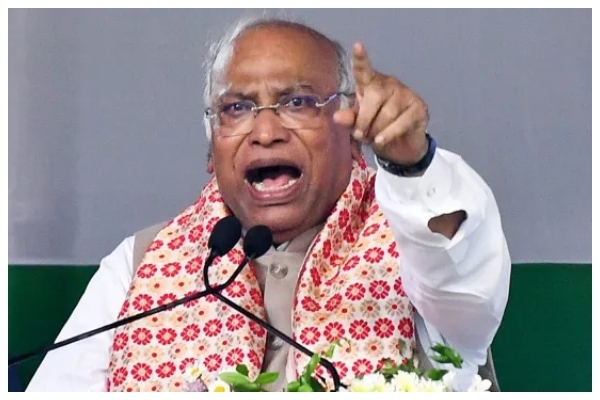 At a programme marking the 139th birth anniversary of Bihar’s first Chief Minister, Shri Krishna Singh, on Sunday, Kharge reacted angrily to an audience member’s words about Modi’s continuation in office. He retorted, “Modi ka baap bhi jayega.” The Congress subsequently claimed that Kharge was referring to Modi’s ideological mentor, the Rashtriya Swayamsevak Sangh (RSS), rather than making a literal reference to his father.
That explanation does not resolve the problem. If Kharge intended to criticise the RSS, he could have named the organisation directly. Why resort to a personal expression that predictably invited controversy? A national party president cannot escape responsibility for his words by offering a convenient interpretation after they provoke public outrage.
When Frustration Replaces Argument
The most revealing aspect of Kharge’s conduct is the loss of composure. A heckle, an interruption or an opposing political slogan should hardly unsettle a veteran politician. Leaders who seek public office must be prepared to face disagreement, criticism and even provocation. Their credibility rests partly on their ability to respond with confidence rather than anger.
Kharge’s reaction invites a larger question - is the Congress president struggling to cope with the political realities confronting his party?
The Congress has endured repeated electoral setbacks during the Modi era. Its attempts to turn every political disagreement into a national crisis have not delivered the decisive reversal it seeks. Its attacks on Modi have continued, but the Prime Minister has repeatedly returned to the electorate and secured victories for the BJP and its allies.
The empty or sparsely occupied portions of a hall can be uncomfortable for any political leader. If Kharge felt that the gathering lacked the enthusiasm he expected, that could have added to his irritation. Attendance at one event, however, cannot establish the extent of a party’s national support. The more substantial question is whether the Congress has developed a convincing political alternative capable of winning voters beyond its existing support base.
Instead of projecting confidence, Kharge’s outburst created the impression of a leader who allowed an interruption to dictate his response. Political frustration may explain such behaviour; it does not excuse it.
A Pattern of Personal Attacks
Kharge’s remark cannot be viewed in isolation from the Congress’s wider political discourse. Prime Minister Modi has repeatedly been subjected to personal attacks by opposition leaders, ranging from the “chaiwala” jibe about his humble background to the “maut ka saudagar” remark used by Congress leader Sonia Gandhi during the 2007 Gujarat election campaign.
Rahul Gandhi’s repeated attacks on Modi have also often been central to the Congress’s political messaging. Criticism of a Prime Minister is legitimate, but when personal ridicule becomes a recurring feature of political campaigning, it raises questions about the opposition’s ability to sustain a debate on policy, governance and performance.
The Congress has every right to challenge Modi’s economic record, question government decisions and demand accountability. It can contest the BJP in elections and argue that the electorate should choose a different government. What it cannot reasonably demand is that its own language remain beyond criticism.
There is a fundamental difference between saying that a government deserves to be defeated and resorting to expressions that drag a leader’s family into the argument. The former is democratic competition; the latter risks reducing politics to personal hostility.
Defending the Indefensible
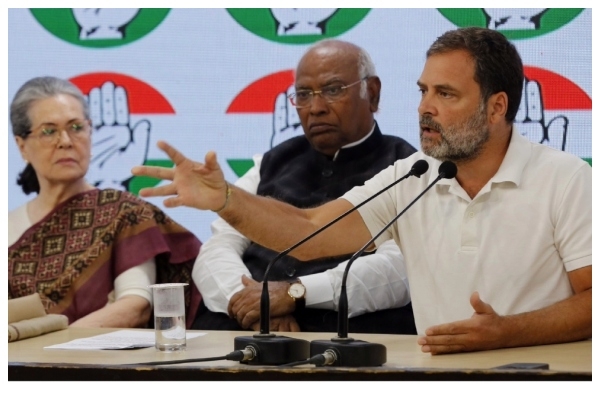
The response from Congress media chief Pawan Khera illustrates the party’s reluctance to confront the issue honestly. Khera argued that Kharge had referred to Modi’s ideological father, the RSS, after an audience member allegedly insulted Kharge’s late father.
Even if Kharge was responding to an insult, the question of proportion and propriety remains. A provocation does not automatically justify every response. Nor does a subsequent explanation erase the words spoken before an audience.
The Congress could have condemned any alleged insult directed at Kharge while acknowledging that his own language was inappropriate. Such a response would have demonstrated political maturity. Instead, the party chose to defend its president without adequately addressing the substance of the criticism.
That refusal to introspect is damaging. Political organisations that excuse every statement by their leaders eventually create an environment in which accountability becomes impossible. The question is not whether Kharge deserves respect because of his seniority. It is whether seniority should bring greater responsibility for public conduct.
The People Are the Final Judges
Kharge’s political challenge is much larger than this controversy. The Congress must explain why its attacks on Modi have not translated into the electoral gains it anticipates. It must demonstrate that its campaign against the government is grounded in evidence and accompanied by a credible alternative. It must also recognise that slogans about saving democracy cannot substitute for public confidence.
The Congress’s attempts to mobilise opposition to the Special Intensive Revision of electoral rolls have been framed by its leadership as a historic struggle. Whether its allegations stand or fall must be determined by evidence. But political mobilisation cannot be sustained merely by declaring every government decision an attack on democracy. Nor can a party manufacture popular support through increasingly aggressive rhetoric.
If the Congress’s confrontational tactics fail to attract the mass response it expects, the answer lies in political introspection, not personal abuse. A leader who cannot persuade an audience through argument should not assume that a louder retort will strengthen his position.
Kharge has spent decades in public life and occupies one of the most important positions in the opposition. He should know that restraint is not weakness and that political confidence does not require insulting an opponent. His remark has diverted attention from the Congress’s allegations and placed his own judgement under scrutiny.
The Prime Minister’s record is open to debate. His government must answer legitimate criticism. But Modi’s political opponents must also answer for their own conduct.
Repeated defeats may test a party’s patience, but they cannot justify the abandonment of political dignity. Kharge’s outburst has exposed the danger of allowing frustration to become a political strategy. In a democracy, the electorate decides who leaves office not personal taunts from a public platform.
That explanation does not resolve the problem. If Kharge intended to criticise the RSS, he could have named the organisation directly. Why resort to a personal expression that predictably invited controversy? A national party president cannot escape responsibility for his words by offering a convenient interpretation after they provoke public outrage.
When Frustration Replaces Argument
The most revealing aspect of Kharge’s conduct is the loss of composure. A heckle, an interruption or an opposing political slogan should hardly unsettle a veteran politician. Leaders who seek public office must be prepared to face disagreement, criticism and even provocation. Their credibility rests partly on their ability to respond with confidence rather than anger.
Kharge’s reaction invites a larger question - is the Congress president struggling to cope with the political realities confronting his party?
The Congress has endured repeated electoral setbacks during the Modi era. Its attempts to turn every political disagreement into a national crisis have not delivered the decisive reversal it seeks. Its attacks on Modi have continued, but the Prime Minister has repeatedly returned to the electorate and secured victories for the BJP and its allies.
The empty or sparsely occupied portions of a hall can be uncomfortable for any political leader. If Kharge felt that the gathering lacked the enthusiasm he expected, that could have added to his irritation. Attendance at one event, however, cannot establish the extent of a party’s national support. The more substantial question is whether the Congress has developed a convincing political alternative capable of winning voters beyond its existing support base.
Instead of projecting confidence, Kharge’s outburst created the impression of a leader who allowed an interruption to dictate his response. Political frustration may explain such behaviour; it does not excuse it.
A Pattern of Personal Attacks
Kharge’s remark cannot be viewed in isolation from the Congress’s wider political discourse. Prime Minister Modi has repeatedly been subjected to personal attacks by opposition leaders, ranging from the “chaiwala” jibe about his humble background to the “maut ka saudagar” remark used by Congress leader Sonia Gandhi during the 2007 Gujarat election campaign.
Rahul Gandhi’s repeated attacks on Modi have also often been central to the Congress’s political messaging. Criticism of a Prime Minister is legitimate, but when personal ridicule becomes a recurring feature of political campaigning, it raises questions about the opposition’s ability to sustain a debate on policy, governance and performance.
The Congress has every right to challenge Modi’s economic record, question government decisions and demand accountability. It can contest the BJP in elections and argue that the electorate should choose a different government. What it cannot reasonably demand is that its own language remain beyond criticism.
There is a fundamental difference between saying that a government deserves to be defeated and resorting to expressions that drag a leader’s family into the argument. The former is democratic competition; the latter risks reducing politics to personal hostility.
The response from Congress media chief Pawan Khera illustrates the party’s reluctance to confront the issue honestly. Khera argued that Kharge had referred to Modi’s ideological father, the RSS, after an audience member allegedly insulted Kharge’s late father.
Even if Kharge was responding to an insult, the question of proportion and propriety remains. A provocation does not automatically justify every response. Nor does a subsequent explanation erase the words spoken before an audience.
The Congress could have condemned any alleged insult directed at Kharge while acknowledging that his own language was inappropriate. Such a response would have demonstrated political maturity. Instead, the party chose to defend its president without adequately addressing the substance of the criticism.
That refusal to introspect is damaging. Political organisations that excuse every statement by their leaders eventually create an environment in which accountability becomes impossible. The question is not whether Kharge deserves respect because of his seniority. It is whether seniority should bring greater responsibility for public conduct.
The People Are the Final Judges
Kharge’s political challenge is much larger than this controversy. The Congress must explain why its attacks on Modi have not translated into the electoral gains it anticipates. It must demonstrate that its campaign against the government is grounded in evidence and accompanied by a credible alternative. It must also recognise that slogans about saving democracy cannot substitute for public confidence.
The Congress’s attempts to mobilise opposition to the Special Intensive Revision of electoral rolls have been framed by its leadership as a historic struggle. Whether its allegations stand or fall must be determined by evidence. But political mobilisation cannot be sustained merely by declaring every government decision an attack on democracy. Nor can a party manufacture popular support through increasingly aggressive rhetoric.
If the Congress’s confrontational tactics fail to attract the mass response it expects, the answer lies in political introspection, not personal abuse. A leader who cannot persuade an audience through argument should not assume that a louder retort will strengthen his position.
Kharge has spent decades in public life and occupies one of the most important positions in the opposition. He should know that restraint is not weakness and that political confidence does not require insulting an opponent. His remark has diverted attention from the Congress’s allegations and placed his own judgement under scrutiny.
The Prime Minister’s record is open to debate. His government must answer legitimate criticism. But Modi’s political opponents must also answer for their own conduct.
Repeated defeats may test a party’s patience, but they cannot justify the abandonment of political dignity. Kharge’s outburst has exposed the danger of allowing frustration to become a political strategy. In a democracy, the electorate decides who leaves office not personal taunts from a public platform.