“Preserving Dharma, Building Samarasta.”
Bharatiya traditions contain a rich reservoir of such ethical ideas.
NewsBharati 29-Oct-2026 13:15:24 PM
Total Views |


The preservation of a civilisation does not begin in government offices, legislative chambers or academic institutions. It begins at home, takes root in the neighbourhood, grows within the village and eventually shapes the character of the nation. RSS General Secretary Dattatreya Hosabale’s emphasis on protecting Bharatiya Sanskriti and Dharma through two proposed initiatives Uniform Ritual Code and Uniform General Sanskar Education therefore deserves serious consideration. The underlying idea is both simple and profound - cultural continuity requires conscious effort, and the values that have sustained Indian civilisation must be transmitted to future generations through families and communities. More importantly, this initiative offers an opportunity to strengthen samarasta, or social harmony and cohesion, by building shared cultural understanding across society.
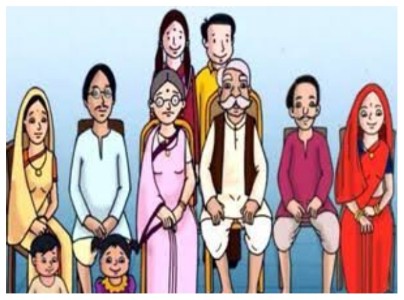 The preservation of a civilisation does not begin in government offices, legislative chambers or academic institutions. It begins at home, takes root in the neighbourhood, grows within the village and eventually shapes the character of the nation. RSS General Secretary Dattatreya Hosabale’s emphasis on protecting Bharatiya Sanskriti and Dharma through two proposed initiatives Uniform Ritual Code and Uniform General Sanskar Education therefore deserves serious consideration. The underlying idea is both simple and profound - cultural continuity requires conscious effort, and the values that have sustained Indian civilization must be transmitted to future generations through families and communities. More importantly, this initiative offers an opportunity to strengthen samarasta, or social harmony and cohesion, by building shared cultural understanding across society.
Hosabale’s statement places the responsibility for preserving Bharatiya traditions at the grassroots level. Every family, gram and mohalla must become a centre of cultural learning. This is significant because traditions survive not merely through declarations of pride in the past, but through everyday practices, inherited values and the conscious participation of successive generations. A civilisation that does not transmit its cultural knowledge risks losing the very foundations that distinguish it. Cultural education must therefore be a living process, connecting children with their heritage while helping them understand their responsibilities towards society and the nation.
The two initiatives address different but complementary dimensions of this task. The proposed Uniform Ritual Code concerns the cultural and ritual practices through which traditions are expressed and sustained. Uniform General Sanskar Education, meanwhile, seeks to impart values rooted in Bharatiya Sanskriti to children, families and communities. Together, they offer a framework that connects cultural practice with ethical formation. The first concerns how traditions are observed; the second concerns the values and dispositions that traditions can nurture. Their ultimate worth will depend on how inclusively and thoughtfully they are developed and implemented.
The idea of uniformity, however, must be understood with care. India is a civilisation of extraordinary diversity, with different languages, regional customs, schools of philosophy, forms of worship and community traditions. Cultural unity has never required every community to follow identical practices. The strength of Bharatiya civilization lies in its capacity to accommodate diversity within a broader cultural and civilisational framework. Consequently, a Uniform Ritual Code should be developed with sensitivity to legitimate regional and community differences. Its purpose should be to identify shared principles and encourage mutual understanding, not to erase the diversity that has enriched Indian society for centuries.
This distinction is essential to the larger objective of samarasta. Social harmony cannot be created merely by asking people to become alike. It develops when people recognise a common civilisational inheritance while respecting differences in social background, language, customs and religious practice. A shared understanding of cultural values can create common ground without demanding cultural uniformity in every detail. If these initiatives are guided by that principle, they can help strengthen social cohesion while preserving India's plural character.
The emphasis on sanskar is particularly relevant. Education is often understood narrowly as the acquisition of academic qualifications, professional skills and information. But the development of character requires something more. Respect for others, responsibility towards the community, compassion, discipline, honesty, service and a sense of duty cannot be secured through examinations alone. They are cultivated through family life, social interaction, example and sustained education.
Bharatiya traditions contain a rich reservoir of such ethical ideas. The principle of Vasudhaiva Kutumbakam emphasises the interconnectedness of humanity, while Sarve Bhavantu Sukhinah expresses a wish for the welfare of all. The concept of seva places service at the centre of social responsibility. These values can be communicated to children not merely as philosophical expressions, but through practical activities, community service, intergenerational interaction and everyday conduct. Properly designed Sanskar Education could connect cultural knowledge with responsible citizenship and social sensitivity.
The initiative also has implications for equality. Samarasta is not simply the absence of conflict between communities; it requires a conscious effort to overcome social barriers and foster mutual respect. India’s civilisational traditions have inspired ideals of interconnectedness, yet Indian society has also experienced entrenched discrimination and social exclusion. Preserving cultural heritage cannot mean ignoring these historical realities. On the contrary, cultural education should encourage society to confront practices that deny dignity and equal opportunity to fellow citizens.
This is where the idea of shared sanskar can acquire wider social significance. If children from different social backgrounds learn the importance of human dignity, mutual respect, service and social responsibility, cultural education can help create the moral foundations for a more cohesive society. Families and neighbourhoods can become spaces in which social interaction gradually weakens inherited prejudices. The objective should not be merely to celebrate a common heritage, but to translate its most humane values into conduct.
The proposed initiatives should therefore become an integral part of Panch Parivartan, as Hosabale has urged. The five dimensions of this broader social transformation social harmony, family awareness, environmental protection, Swadeshi and civic duties are interconnected. Cultural education can reinforce each of them. Family-centred transmission of values can strengthen relationships and responsibility; social harmony can be advanced through shared activities; environmental consciousness can draw upon traditional respect for nature; Swadeshi can encourage appreciation of indigenous knowledge and enterprise; and civic duties can connect personal conduct with national responsibility.
This integration would also prevent cultural education from becoming a purely ceremonial exercise. Rituals and traditions have greater significance when their ethical foundations find expression in everyday life. Respect for nature, for instance, becomes meaningful when it encourages environmental responsibility. Reverence for society becomes meaningful when it inspires service and solidarity. Pride in the nation becomes meaningful when it is accompanied by the discharge of civic duties. In this sense, Panch Parivartan can provide a practical framework through which cultural values become social action.
Hosabale’s invocation of the words attributed to Poojya Sringeri Swamiji that Desh and Dharma are like the two eyes of a human being provides the philosophical foundation for this approach. The nation and Dharma are presented as complementary responsibilities, both requiring dedication and preservation. Dharma, in this context, can be understood in its broader civilisational sense of ethical conduct, duty and the principles that sustain an orderly and responsible society. The relationship between the two is not merely symbolic: a nation's long-term cohesion depends partly on the values that guide its citizens, while the continuity of cultural and ethical traditions depends on the society that sustains them.
At the same time, the protection of Dharma and cultural heritage should reinforce respect for constitutional values, equal citizenship and freedom of conscience. India's cultural inheritance is best preserved when people understand it, participate in it voluntarily and recognise its capacity to enrich public life. The success of these initiatives will depend on educational quality, accessibility and the willingness to engage with the country's diversity. Their implementation should be inclusive, allowing cultural learning to deepen social bonds rather than become another source of division.
The responsibility now lies with the Hindus, who will participate in these initiatives. They must take the message beyond formal discussions and translate it into sustained grassroots work. Families, schools, local associations and community institutions can help create meaningful opportunities for children to learn about India's cultural traditions and ethical ideas. The emphasis should be on understanding rather than rote instruction, participation rather than compulsion, and the cultivation of character rather than the mere repetition of slogans.
The larger significance of Hosabale’s initiative lies in its attempt to connect cultural preservation with social transformation. A civilization is not sustained by looking backwards alone. It remains alive when every generation understands its inheritance, examines its social shortcomings and carries forward its most valuable principles into changing circumstances. Uniform Ritual Code and Uniform General Sanskar Education can contribute to that process if they are developed with cultural sensitivity, social inclusiveness and a clear commitment to human dignity.
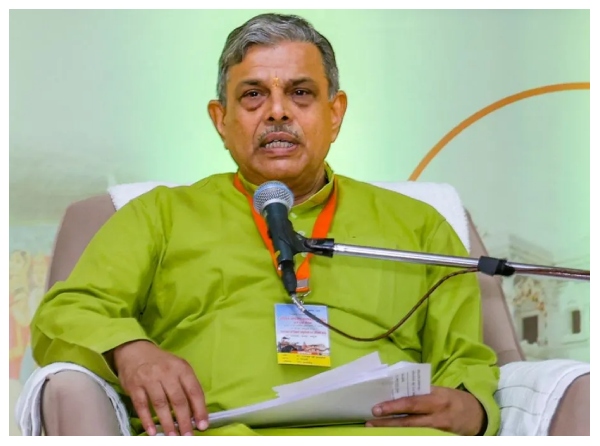
Hosabale’s statement places the responsibility for preserving Bharatiya traditions at the grassroots level. Every family, gram and mohalla must become a centre of cultural learning. This is significant because traditions survive not merely through declarations of pride in the past, but through everyday practices, inherited values and the conscious participation of successive generations. A civilisation that does not transmit its cultural knowledge risks losing the very foundations that distinguish it. Cultural education must therefore be a living process, connecting children with their heritage while helping them understand their responsibilities towards society and the nation.
The two initiatives address different but complementary dimensions of this task. The proposed Uniform Ritual Code concerns the cultural and ritual practices through which traditions are expressed and sustained. Uniform General Sanskar Education, meanwhile, seeks to impart values rooted in Bharatiya Sanskriti to children, families and communities. Together, they offer a framework that connects cultural practice with ethical formation. The first concerns how traditions are observed; the second concerns the values and dispositions that traditions can nurture. Their ultimate worth will depend on how inclusively and thoughtfully they are developed and implemented.
The idea of uniformity, however, must be understood with care. India is a civilisation of extraordinary diversity, with different languages, regional customs, schools of philosophy, forms of worship and community traditions. Cultural unity has never required every community to follow identical practices. The strength of Bharatiya civilization lies in its capacity to accommodate diversity within a broader cultural and civilisational framework. Consequently, a Uniform Ritual Code should be developed with sensitivity to legitimate regional and community differences. Its purpose should be to identify shared principles and encourage mutual understanding, not to erase the diversity that has enriched Indian society for centuries.
This distinction is essential to the larger objective of samarasta. Social harmony cannot be created merely by asking people to become alike. It develops when people recognise a common civilisational inheritance while respecting differences in social background, language, customs and religious practice. A shared understanding of cultural values can create common ground without demanding cultural uniformity in every detail. If these initiatives are guided by that principle, they can help strengthen social cohesion while preserving India's plural character.
The emphasis on sanskar is particularly relevant. Education is often understood narrowly as the acquisition of academic qualifications, professional skills and information. But the development of character requires something more. Respect for others, responsibility towards the community, compassion, discipline, honesty, service and a sense of duty cannot be secured through examinations alone. They are cultivated through family life, social interaction, example and sustained education.
Bharatiya traditions contain a rich reservoir of such ethical ideas. The principle of Vasudhaiva Kutumbakam emphasises the interconnectedness of humanity, while Sarve Bhavantu Sukhinah expresses a wish for the welfare of all. The concept of seva places service at the centre of social responsibility. These values can be communicated to children not merely as philosophical expressions, but through practical activities, community service, intergenerational interaction and everyday conduct. Properly designed Sanskar Education could connect cultural knowledge with responsible citizenship and social sensitivity.
The initiative also has implications for equality. Samarasta is not simply the absence of conflict between communities; it requires a conscious effort to overcome social barriers and foster mutual respect. India’s civilisational traditions have inspired ideals of interconnectedness, yet Indian society has also experienced entrenched discrimination and social exclusion. Preserving cultural heritage cannot mean ignoring these historical realities. On the contrary, cultural education should encourage society to confront practices that deny dignity and equal opportunity to fellow citizens.
This is where the idea of shared sanskar can acquire wider social significance. If children from different social backgrounds learn the importance of human dignity, mutual respect, service and social responsibility, cultural education can help create the moral foundations for a more cohesive society. Families and neighbourhoods can become spaces in which social interaction gradually weakens inherited prejudices. The objective should not be merely to celebrate a common heritage, but to translate its most humane values into conduct.
The proposed initiatives should therefore become an integral part of Panch Parivartan, as Hosabale has urged. The five dimensions of this broader social transformation social harmony, family awareness, environmental protection, Swadeshi and civic duties are interconnected. Cultural education can reinforce each of them. Family-centred transmission of values can strengthen relationships and responsibility; social harmony can be advanced through shared activities; environmental consciousness can draw upon traditional respect for nature; Swadeshi can encourage appreciation of indigenous knowledge and enterprise; and civic duties can connect personal conduct with national responsibility.
This integration would also prevent cultural education from becoming a purely ceremonial exercise. Rituals and traditions have greater significance when their ethical foundations find expression in everyday life. Respect for nature, for instance, becomes meaningful when it encourages environmental responsibility. Reverence for society becomes meaningful when it inspires service and solidarity. Pride in the nation becomes meaningful when it is accompanied by the discharge of civic duties. In this sense, Panch Parivartan can provide a practical framework through which cultural values become social action.
Hosabale’s invocation of the words attributed to Poojya Sringeri Swamiji that Desh and Dharma are like the two eyes of a human being provides the philosophical foundation for this approach. The nation and Dharma are presented as complementary responsibilities, both requiring dedication and preservation. Dharma, in this context, can be understood in its broader civilisational sense of ethical conduct, duty and the principles that sustain an orderly and responsible society. The relationship between the two is not merely symbolic: a nation's long-term cohesion depends partly on the values that guide its citizens, while the continuity of cultural and ethical traditions depends on the society that sustains them.
At the same time, the protection of Dharma and cultural heritage should reinforce respect for constitutional values, equal citizenship and freedom of conscience. India's cultural inheritance is best preserved when people understand it, participate in it voluntarily and recognise its capacity to enrich public life. The success of these initiatives will depend on educational quality, accessibility and the willingness to engage with the country's diversity. Their implementation should be inclusive, allowing cultural learning to deepen social bonds rather than become another source of division.
The responsibility now lies with the Hindus, who will participate in these initiatives. They must take the message beyond formal discussions and translate it into sustained grassroots work. Families, schools, local associations and community institutions can help create meaningful opportunities for children to learn about India's cultural traditions and ethical ideas. The emphasis should be on understanding rather than rote instruction, participation rather than compulsion, and the cultivation of character rather than the mere repetition of slogans.
The larger significance of Hosabale’s initiative lies in its attempt to connect cultural preservation with social transformation. A civilization is not sustained by looking backwards alone. It remains alive when every generation understands its inheritance, examines its social shortcomings and carries forward its most valuable principles into changing circumstances. Uniform Ritual Code and Uniform General Sanskar Education can contribute to that process if they are developed with cultural sensitivity, social inclusiveness and a clear commitment to human dignity.
Ultimately, samarasta must become a lived experience, not merely an organisational objective. It begins when the family teaches respect, the neighbourhood practises cooperation and the village or town creates opportunities for people to work together. It matures when shared cultural understanding helps overcome prejudice and strengthens a sense of collective responsibility. By bringing Bharatiya Sanskriti and Dharma into everyday community life, Hosabale’s proposal offers an opportunity to move from cultural awareness to ethical action, and from ethical action to greater social harmony.

Editor's Desk
Editor's Desk