Here Comes Naseeruddin’s Confession
The pattern becomes particularly visible in his interventions on history.
NewsBharati 30-Oct-2026 11:12:12 AM
Total Views |


When a celebrated actor proudly adopts the label “Dimagi Naxal”, he invites scrutiny not merely of his words, but of the political worldview he chooses to represent.
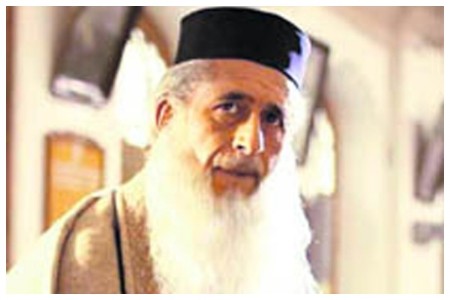
The most revealing part of this episode is not that Shah has criticised the government. In a democracy, criticism is legitimate, even when it is harsh, provocative or deeply unfair. The real issue is his decision to embrace the label Dimagi Naxal with pride. This was not an accusation made by an opponent that he was compelled to answer. It was a self-description he chose to proclaim publicly.
A political label adopted voluntarily is an invitation to examine the ideology behind it. Shah cannot reasonably expect his declaration to be treated as a harmless flourish while demanding that his political opponents take every other word he utters seriously.
This is not Shah's first confrontation with the government. In December 2018, he spoke of worrying about his children's future amid communal tensions and subsequently said he had no regrets about his remarks. In 2021, he criticised Muslims celebrating the Taliban's return to power in Afghanistan, calling for a modern and reformed interpretation of Islam. In the same interview, however, he accused the government of fostering fear among Muslims and questioned the political climate surrounding the community.
These statements reveal a more complicated public record than a simple label can capture. Shah has condemned religious extremism, but has repeatedly directed fierce criticism at the Hindutva establishment in India.
The pattern becomes particularly visible in his interventions on history. In 2023, while defending the Mughal legacy against what he regarded as its systematic vilification, Shah challenged critics to knock down the Taj Mahal, Red Fort and Qutub Minar if they considered the dynasty wholly evil. He argued that the Mughals had made India their home and contributed to its history. But the reverse is equally true - architectural achievement cannot settle every question about conquest, religious policy or historical violence. A serious intellectual should resist both blanket glorification and blanket condemnation. Shah's rhetoric is most vulnerable when a complex historical dispute is reduced to a moral contest between today's political camps.
The wider ideological question deserves attention. Across different countries, sections of the radical left and certain Islamist political movements have found common ground in opposition to governments, established institutions, nationalism or Western influence. Their philosophies are not identical. The radical left traditionally draws on class struggle and revolutionary theories; Islamist movements draw on particular interpretations of religion and political authority. Their cooperation, where it occurs, is often tactical rather than evidence of a single unified ideology.
India must be able to examine this convergence without either exaggerating it or pretending it never exists. The relevant questions concern specific alliances, common campaigns, public statements and political objectives. Shared opposition to a government does not, by itself, establish a shared programme.
Shah's declaration brings this debate into sharper focus. He has chosen to identify himself with Dimagi Naxalism, a phrase that invokes the ideological dimension of Naxalism. That choice makes it reasonable to ask what political philosophy he is endorsing. It does not, by itself, establish that he supports armed violence, religious extremism or every objective associated with other radical movements.
The indictment must be precise: Shah has embraced a provocative political identity, and he must answer for the meaning he attaches to it. His celebrity cannot make the declaration immune from examination, but neither can it substitute for evidence about his beliefs or conduct.
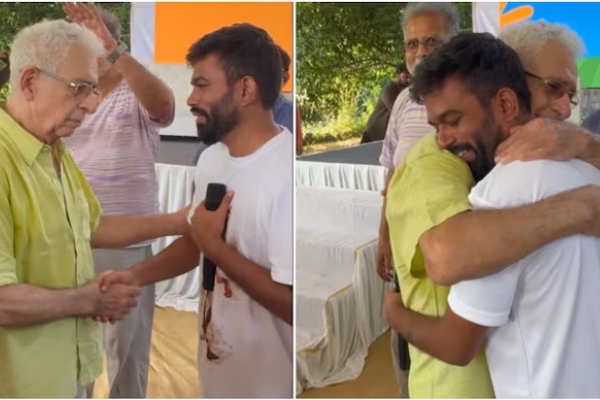
When he accuses the government of destroying educational institutions and endangering democracy, he should be challenged on the evidence behind those sweeping claims. What precisely happened at JNU, SRFTI and Jamia? Which decisions were unlawful? Which actions were justified institutional responses, and which, if any, constituted an abuse of authority? These questions require facts, not dramatic declarations.
The same standard must apply to student activists, government officials, political parties and prominent actors. Peaceful protest is a democratic right. Violence, intimidation and destruction of public property cannot be excused merely because the perpetrators claim a righteous cause. Equally, misconduct by a few protesters cannot justify suppressing legitimate dissent.
Shah's video takes a different approach. He presents the government as the principal threat, declares himself a Dimagi Naxal with pride and challenges those in power to act against him. That is a political performance designed to project defiance. The question is whether it advances a serious argument or merely deepens an already polarised debate.
Shah may regard his declaration as a badge of intellectual courage. His critics may see it as an admission of ideological extremism. Neither interpretation should be accepted uncritically. The words themselves are clear; their broader implications must be assessed against his actual positions and conduct.
Shah has made his declaration. He cannot expect the country to applaud his defiance while declining to examine its ideological meaning. Nor can he demand that his opponents accept his description of the government without asking him to substantiate it.
Shah’s political arguments deserve no automatic deference. If Naseeruddin Shah is proud to call himself a Dimagi Naxal, he should be prepared for the scrutiny that comes with the label. A celebrated name is not an argument, provocation is not proof, and self-proclaimed intellectual courage is not a substitute for intellectual rigour.
Naseeruddin Shah has finally said what he wants the country to hear: “I proudly declare that I am a Dimagi Naxal.” The actor made the declaration while attacking the government over student protests at Jamia Millia Islamia, JNU and the Satyajit Ray Film and Television Institute. He accused the government of crushing young people's confidence, destroying educational institutions and endangering democracy. He also described the government as the real “tukde-tukde gang”.
The most revealing part of this episode is not that Shah has criticised the government. In a democracy, criticism is legitimate, even when it is harsh, provocative or deeply unfair. The real issue is his decision to embrace the label Dimagi Naxal with pride. This was not an accusation made by an opponent that he was compelled to answer. It was a self-description he chose to proclaim publicly.
A political label adopted voluntarily is an invitation to examine the ideology behind it. Shah cannot reasonably expect his declaration to be treated as a harmless flourish while demanding that his political opponents take every other word he utters seriously.
This is not Shah's first confrontation with the government. In December 2018, he spoke of worrying about his children's future amid communal tensions and subsequently said he had no regrets about his remarks. In 2021, he criticised Muslims celebrating the Taliban's return to power in Afghanistan, calling for a modern and reformed interpretation of Islam. In the same interview, however, he accused the government of fostering fear among Muslims and questioned the political climate surrounding the community.
These statements reveal a more complicated public record than a simple label can capture. Shah has condemned religious extremism, but has repeatedly directed fierce criticism at the Hindutva establishment in India.
The pattern becomes particularly visible in his interventions on history. In 2023, while defending the Mughal legacy against what he regarded as its systematic vilification, Shah challenged critics to knock down the Taj Mahal, Red Fort and Qutub Minar if they considered the dynasty wholly evil. He argued that the Mughals had made India their home and contributed to its history. But the reverse is equally true - architectural achievement cannot settle every question about conquest, religious policy or historical violence. A serious intellectual should resist both blanket glorification and blanket condemnation. Shah's rhetoric is most vulnerable when a complex historical dispute is reduced to a moral contest between today's political camps.
The wider ideological question deserves attention. Across different countries, sections of the radical left and certain Islamist political movements have found common ground in opposition to governments, established institutions, nationalism or Western influence. Their philosophies are not identical. The radical left traditionally draws on class struggle and revolutionary theories; Islamist movements draw on particular interpretations of religion and political authority. Their cooperation, where it occurs, is often tactical rather than evidence of a single unified ideology.
India must be able to examine this convergence without either exaggerating it or pretending it never exists. The relevant questions concern specific alliances, common campaigns, public statements and political objectives. Shared opposition to a government does not, by itself, establish a shared programme.
Shah's declaration brings this debate into sharper focus. He has chosen to identify himself with Dimagi Naxalism, a phrase that invokes the ideological dimension of Naxalism. That choice makes it reasonable to ask what political philosophy he is endorsing. It does not, by itself, establish that he supports armed violence, religious extremism or every objective associated with other radical movements.
The indictment must be precise: Shah has embraced a provocative political identity, and he must answer for the meaning he attaches to it. His celebrity cannot make the declaration immune from examination, but neither can it substitute for evidence about his beliefs or conduct.
Shah has enjoyed a long and distinguished career in Indian cinema and theatre. His artistic achievements are real; so is his right to criticise those in power. Neither fact gives him a monopoly on democratic virtue.
When he accuses the government of destroying educational institutions and endangering democracy, he should be challenged on the evidence behind those sweeping claims. What precisely happened at JNU, SRFTI and Jamia? Which decisions were unlawful? Which actions were justified institutional responses, and which, if any, constituted an abuse of authority? These questions require facts, not dramatic declarations.
The same standard must apply to student activists, government officials, political parties and prominent actors. Peaceful protest is a democratic right. Violence, intimidation and destruction of public property cannot be excused merely because the perpetrators claim a righteous cause. Equally, misconduct by a few protesters cannot justify suppressing legitimate dissent.
Shah's video takes a different approach. He presents the government as the principal threat, declares himself a Dimagi Naxal with pride and challenges those in power to act against him. That is a political performance designed to project defiance. The question is whether it advances a serious argument or merely deepens an already polarised debate.
Shah may regard his declaration as a badge of intellectual courage. His critics may see it as an admission of ideological extremism. Neither interpretation should be accepted uncritically. The words themselves are clear; their broader implications must be assessed against his actual positions and conduct.
Shah has made his declaration. He cannot expect the country to applaud his defiance while declining to examine its ideological meaning. Nor can he demand that his opponents accept his description of the government without asking him to substantiate it.
Shah’s political arguments deserve no automatic deference. If Naseeruddin Shah is proud to call himself a Dimagi Naxal, he should be prepared for the scrutiny that comes with the label. A celebrated name is not an argument, provocation is not proof, and self-proclaimed intellectual courage is not a substitute for intellectual rigour.

Editor's Desk
Editor's Desk