496 million Out of Poverty: India's Silent Social Revolution
However, the World Bank report also makes it clear that India cannot afford complacency.
NewsBharati 31-Oct-2026 12:55:00 PM
Total Views |


India's poverty reduction story is emerging as one of the most consequential socio-economic transformations of the 21st century. The World Bank's October 2026 Poverty and Equity Brief has placed an extraordinary figure before the world - an estimated 496 million Indians moved above the lower-middle-income poverty threshold between 2011 and 2023. More strikingly, the proportion of the population living in extreme poverty declined from 27.1 per cent in 2011 to just 2.6 per cent in 2023. These are not merely impressive statistics. They represent a fundamental change in the lives of millions of families who have moved beyond the daily struggle for basic necessitie
The Narendra Modi government deserves recognition for making poverty reduction a central objective of its development strategy. Since 2014, the emphasis has increasingly shifted from announcing welfare schemes to ensuring that benefits reach intended beneficiaries. This change in approach has been significant. Financial inclusion, digital identification, direct benefit transfers and the expansion of basic infrastructure have together created a delivery mechanism that has altered the relationship between the state and the economically weaker sections.
The Pradhan Mantri Jan Dhan Yojana was an important starting point. Bringing previously excluded households into the formal banking system created the foundation for direct transfers and financial access. Aadhaar-based identification and digital payment infrastructure further strengthened the delivery mechanism. The combination of Jan Dhan, Aadhaar and mobile connectivity has helped reduce intermediaries and improve the transparency of welfare distribution. The direct benefit transfer architecture has also made it easier for government assistance to reach beneficiaries without the traditional layers of administrative intervention.
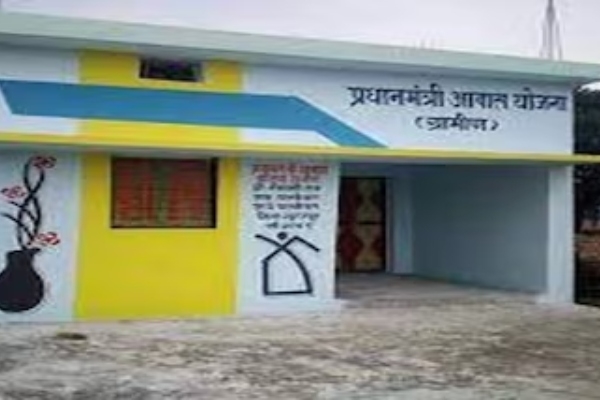
Equally important has been the expansion of essential services. The Ujjwala scheme brought LPG connections to women in economically weaker households. Swachh Bharat Mission accelerated toilet construction and sanitation coverage. Saubhagya and subsequent electrification efforts expanded household access to electricity. Pradhan Mantri Awas Yojana gave millions of families the prospect of owning a permanent home. Jal Jeevan Mission has sought to bring functional tap-water connections to rural households. These programmes address different dimensions of deprivation, but together they contribute to a larger objective: improving the quality of life and dignity of ordinary citizens.
Food security has been another major component. The continuation and expansion of free foodgrain support under the Pradhan Mantri Garib Kalyan Anna Yojana provided an important safety net to vulnerable households. The World Bank has specifically identified expanded social transfers, including food subsidies, as one of the factors contributing to poverty reduction. Such support is particularly important for families whose earnings remain uncertain and whose ability to withstand economic shocks is limited.
The World Bank has also identified rising consumption and increased employment as major contributors to the improvement. Employment increased by approximately 134 million between 2017 and 2023, nearly twice the growth in the working-age population. A particularly noteworthy feature was the increasing participation of rural women in paid work. This is an important social development. When women become earners, household financial security improves, children's education and nutrition can receive greater attention, and women's participation in economic decision-making expands.
The larger lesson is that poverty reduction cannot be achieved through subsidies alone. It requires economic growth, employment opportunities, access to financial services, physical infrastructure and social protection. India's experience demonstrates the importance of combining these instruments rather than treating welfare and development as competing objectives.
This is also where the political significance of the achievement becomes evident. For years, poverty alleviation was often presented through slogans and promises. The present approach has attempted to connect welfare with measurable delivery and institutional mechanisms. The political debate should therefore move beyond the question of who speaks most loudly about the poor to the more important question of who creates systems that deliver tangible improvements in their lives.
Employment quality is another major concern. Although the number of people employed has increased, real earnings have remained broadly stagnant, with much of the employment growth concentrated in relatively low-productivity activities. Youth unemployment also rose from 14.6 per cent in the first quarter of 2025-26 to 15.9 per cent in the corresponding quarter of 2026-27. These figures underline the need to create more productive jobs, strengthen manufacturing, expand skills and ensure that economic growth translates into better wages.
The next phase of poverty reduction must therefore focus on income security rather than dependence on welfare support. Government assistance remains necessary for vulnerable sections, but sustainable prosperity comes when households acquire the capacity to earn, save, invest and improve their living standards independently. Greater attention to education, vocational training, healthcare, rural enterprises, industrial development and women's employment will be essential.
India's aspiration of becoming a developed nation by 2047 cannot be realised unless the benefits of growth reach the last household. The World Bank's assessment provides an encouraging indication that the country is moving in that direction. It also validates the importance of sustained policy implementation, economic expansion and targeted social protection.
The reduction of poverty among hundreds of millions of people is not an ordinary administrative achievement. It is a transformation with profound social and economic consequences. The Modi government's emphasis on delivery-oriented governance, financial inclusion and basic services has contributed significantly to building this development architecture. The challenge now is to consolidate these gains, address regional disparities and create productive opportunities for the young population.
Ultimately, the success of a government should be measured not merely by its promises or political rhetoric, but by the extent to which it changes the lives of ordinary citizens. When millions of families move beyond poverty, the achievement belongs to the nation. But the responsibility for sustaining that progress rests with the institutions and policies that made it possible. India's poverty story is no longer merely about alleviation; it is increasingly about empowerment, opportunity and the ambition of a prosperous nation.
The significance of this achievement goes beyond numbers. For decades, poverty eradication occupied a central place in India's political discourse. Successive governments announced ambitious programmes, slogans and targets. Poverty became a recurring theme in election campaigns, with political promises often exceeding the actual delivery on the ground. But the scale of deprivation remained enormous. The latest World Bank assessment provides an opportunity to examine how India's development approach has evolved and why governance, implementation and last-mile delivery have become increasingly important.
The Narendra Modi government deserves recognition for making poverty reduction a central objective of its development strategy. Since 2014, the emphasis has increasingly shifted from announcing welfare schemes to ensuring that benefits reach intended beneficiaries. This change in approach has been significant. Financial inclusion, digital identification, direct benefit transfers and the expansion of basic infrastructure have together created a delivery mechanism that has altered the relationship between the state and the economically weaker sections.
The Pradhan Mantri Jan Dhan Yojana was an important starting point. Bringing previously excluded households into the formal banking system created the foundation for direct transfers and financial access. Aadhaar-based identification and digital payment infrastructure further strengthened the delivery mechanism. The combination of Jan Dhan, Aadhaar and mobile connectivity has helped reduce intermediaries and improve the transparency of welfare distribution. The direct benefit transfer architecture has also made it easier for government assistance to reach beneficiaries without the traditional layers of administrative intervention.
Equally important has been the expansion of essential services. The Ujjwala scheme brought LPG connections to women in economically weaker households. Swachh Bharat Mission accelerated toilet construction and sanitation coverage. Saubhagya and subsequent electrification efforts expanded household access to electricity. Pradhan Mantri Awas Yojana gave millions of families the prospect of owning a permanent home. Jal Jeevan Mission has sought to bring functional tap-water connections to rural households. These programmes address different dimensions of deprivation, but together they contribute to a larger objective: improving the quality of life and dignity of ordinary citizens.
Food security has been another major component. The continuation and expansion of free foodgrain support under the Pradhan Mantri Garib Kalyan Anna Yojana provided an important safety net to vulnerable households. The World Bank has specifically identified expanded social transfers, including food subsidies, as one of the factors contributing to poverty reduction. Such support is particularly important for families whose earnings remain uncertain and whose ability to withstand economic shocks is limited.
The World Bank has also identified rising consumption and increased employment as major contributors to the improvement. Employment increased by approximately 134 million between 2017 and 2023, nearly twice the growth in the working-age population. A particularly noteworthy feature was the increasing participation of rural women in paid work. This is an important social development. When women become earners, household financial security improves, children's education and nutrition can receive greater attention, and women's participation in economic decision-making expands.
The larger lesson is that poverty reduction cannot be achieved through subsidies alone. It requires economic growth, employment opportunities, access to financial services, physical infrastructure and social protection. India's experience demonstrates the importance of combining these instruments rather than treating welfare and development as competing objectives.
This is also where the political significance of the achievement becomes evident. For years, poverty alleviation was often presented through slogans and promises. The present approach has attempted to connect welfare with measurable delivery and institutional mechanisms. The political debate should therefore move beyond the question of who speaks most loudly about the poor to the more important question of who creates systems that deliver tangible improvements in their lives.
However, the World Bank report also makes it clear that India cannot afford complacency. The achievement is substantial, but the battle against poverty is not over. Using the lower-middle-income poverty threshold of $4.20 per day, approximately 232 million people remained below the poverty line in 2023. Rural poverty, at 19.3 per cent, was considerably higher than urban poverty at 8.6 per cent. Moreover, around 57 per cent of the remaining poor population was concentrated in a geographical belt extending from Uttar Pradesh to West Bengal.
Employment quality is another major concern. Although the number of people employed has increased, real earnings have remained broadly stagnant, with much of the employment growth concentrated in relatively low-productivity activities. Youth unemployment also rose from 14.6 per cent in the first quarter of 2025-26 to 15.9 per cent in the corresponding quarter of 2026-27. These figures underline the need to create more productive jobs, strengthen manufacturing, expand skills and ensure that economic growth translates into better wages.
The next phase of poverty reduction must therefore focus on income security rather than dependence on welfare support. Government assistance remains necessary for vulnerable sections, but sustainable prosperity comes when households acquire the capacity to earn, save, invest and improve their living standards independently. Greater attention to education, vocational training, healthcare, rural enterprises, industrial development and women's employment will be essential.
India's aspiration of becoming a developed nation by 2047 cannot be realised unless the benefits of growth reach the last household. The World Bank's assessment provides an encouraging indication that the country is moving in that direction. It also validates the importance of sustained policy implementation, economic expansion and targeted social protection.
The reduction of poverty among hundreds of millions of people is not an ordinary administrative achievement. It is a transformation with profound social and economic consequences. The Modi government's emphasis on delivery-oriented governance, financial inclusion and basic services has contributed significantly to building this development architecture. The challenge now is to consolidate these gains, address regional disparities and create productive opportunities for the young population.
Ultimately, the success of a government should be measured not merely by its promises or political rhetoric, but by the extent to which it changes the lives of ordinary citizens. When millions of families move beyond poverty, the achievement belongs to the nation. But the responsibility for sustaining that progress rests with the institutions and policies that made it possible. India's poverty story is no longer merely about alleviation; it is increasingly about empowerment, opportunity and the ambition of a prosperous nation.

Editor's Desk
Editor's Desk