West Bengal abolishes Madrasa Service Commission, shifts teacher recruitment to School Service Commission
It was responsible for selecting teachers and non-teaching staff for recognised and aided madrasas. Under the latest decision, this separate recruitment mechanism will no longer continue. Teacher recruitment for madrasas will now come under the West Bengal School Service Commission.
Total Views |


The West Bengal government has abolished the Madrasah Service Commission and transferred the recruitment of teachers in recognised madrasas to the West Bengal School Service Commission. The move comes amid a wider review of madrasa education, including the closure of 252 institutions and scrutiny of around 100 others.
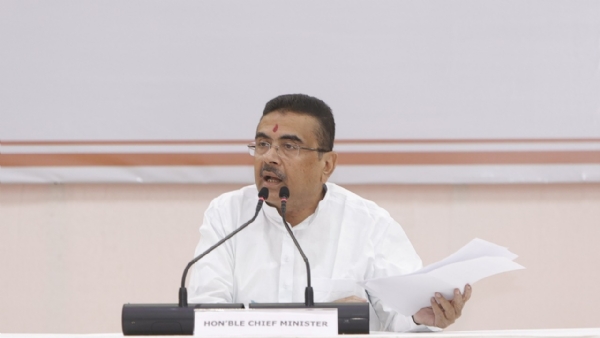
The decision marks a major change in how teachers will be recruited in recognised madrasas across West Bengal. Instead of having a separate commission for madrasa recruitment, the School Service Commission will now handle the process.
The move comes after a statewide review of madrasa institutions, which found several institutions operating without the required approvals or infrastructure. The government has ordered the closure of 252 madrasas, while around 100 others have been asked to respond to notices issued over reported irregularities.
Separate Madrasa recruitment system abolished
The West Bengal Madrasah Service Commission was created under the West Bengal Madrasah Service Commission Act, 2008. It was responsible for selecting teachers and non-teaching staff for recognised and aided madrasas.
🚨 BIG: SURGICAL STRIKE BY CM SUVENDU AS WEST BENGAL GOVT ABOLISHES MADRASA SERVICE COMMISSION! 🔥
— Megh Updates 🚨™ (@MeghUpdates) October 6, 2026
The WB govt has dissolved the separate Madrasa Service Commission, merging madrasa teacher recruitment with the West Bengal School Service Commission (WBSSC).
➡️ One commission.…
Under the latest decision, this separate recruitment mechanism will no longer continue. Teacher recruitment for madrasas will now come under the West Bengal School Service Commission.
252 Madrasas ordered to shut
The recruitment change comes shortly after the state government conducted a statewide review of madrasa institutions.
The survey was launched to establish the status of recognised and unrecognised madrasas and examine their infrastructure, management, student enrolment, funding and regulatory status. The exercise covered districts across West Bengal as well as parts of Kolkata.
Following the review, the government ordered the closure of 252 madrasas. Around 100 more institutions were issued show-cause notices and have been asked to explain issues identified during the verification process.
Officials said the institutions facing closure did not have the required approvals or failed to meet minimum infrastructure requirements. Madrasas that have the necessary approvals and comply with the applicable rules have been allowed to continue functioning.
Malda has highest number of closures
According to figures reported by The Indian Express, Malda recorded the highest number of closures, with 45 madrasas shut down. Uttar Dinajpur followed with 37.
South 24 Parganas, Murshidabad and Nadia were among the other districts where a significant number of institutions were identified for action.
The survey also found a large difference between recognised and unrecognised institutions. Officials cited by the newspaper said 2,132 madrasas had proper approval, while 2,396 were operating without permission from the relevant government board or authority.
The Telegraph reported that the 252 institutions ordered to close were private, unaided madrasas awaiting recognition. These institutions were found to have failed to meet conditions relating to infrastructure, student strength and compliance with the curriculum prescribed by the West Bengal Board of Madrasah Education.
Assam took a different route
West Bengal's decision comes after similar changes in other states, although the models are not identical.
Assam moved towards integrating government-funded madrasas into the regular school education system during 2020-21. The state repealed legislation related to the provincialisation of government-funded madrasas and converted these institutions into regular schools.
Religious instruction was also removed from government-funded institutions. The State Madrasa Education Board was dissolved, with its records and assets transferred to the Board of Secondary Education, Assam.
Uttarakhand abolished it's Madrasa Board
Uttarakhand has taken a more recent step involving its statutory Madrasa Board.
On July 1, 2026, the Uttarakhand Madrasa Education Board was formally abolished under the state's new Minority Education framework. It was replaced by the Uttarakhand State Authority for Minority Education.
The new authority regulates educational institutions run by six notified minority communities: Muslims, Christians, Sikhs, Buddhists, Jains and Parsis.
Under the new system, recognised madrasas are required to obtain recognition from the new authority and affiliation with the Uttarakhand Board of School Education.
The state government has said the aim is to improve modern education, strengthen regulatory oversight and bring minority educational institutions closer to national education standards.
Uttar Pradesh followed a different legal path
In 2024, the Allahabad High Court struck down the Uttar Pradesh Board of Madarsa Education Act, 2004. The Supreme Court later overturned that decision and upheld the constitutional validity of the Act.
However, the Supreme Court struck down provisions that allowed the board to award higher degrees such as Fazil and Kamil, holding that these provisions were inconsistent with the UGC Act.
As a result, unlike Assam and Uttarakhand, Uttar Pradesh's Madrasa Board continues to exist.