Congress's Hatred for Hindus: Tears for Babri, Contempt for Hindu Sentiments
Jawaharlal Nehru"s attitude towards the reconstruction of the Somnath temple offers an early illustration.
NewsBharati 12-Nov-2026 11:49:13 AM
Total Views |


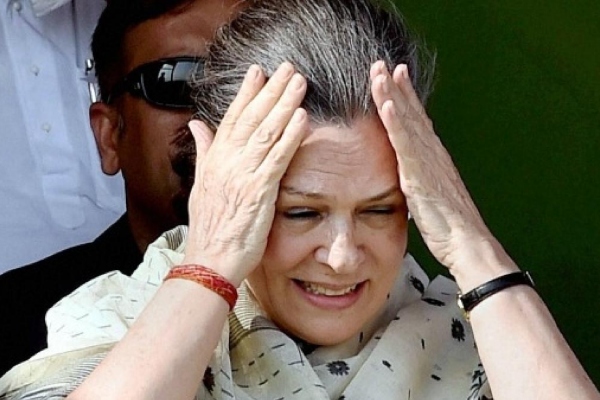
Sonia Gandhi's recent recollection of breaking down in tears while watching the demolition of the Babri Masjid on December 6, 1992, is more than a personal memory. Her remarks, made in an interview with The Guardian ahead of the publication of her memoir, raise a larger question about the Congress party's understanding of India's civilisational identity and its relationship with the Hindu majority. She said the demolition made her realise that India would face a long battle to preserve the secular foundations laid by Mahatma Gandhi, Jawaharlal Nehru and their colleagues. The question arises why the Congress leadership has repeatedly demonstrated such a selective understanding of secularism, particularly when Hindu religious sentiments are involved.
Jawaharlal Nehru's attitude towards the reconstruction of the Somnath temple offers an early illustration. Sardar Vallabhbhai Patel supported the reconstruction of the ancient temple, which had suffered repeated destruction. The project was undertaken through public contributions rather than government funding. But Nehru expressed discomfort with the reconstruction and particularly opposed President Rajendra Prasad's participation in its inauguration in May 1951. In a letter to K.M. Munshi in July 1950, questioned the rebuilding of the temple and argued that the government should not undertake religious construction. His concerns about secular governance were explicit. But the larger question remains: why did the restoration of a temple carrying immense historical and civilisational significance become such a source of political discomfort?
The Congress's subsequent record provides further grounds for examining this selective approach. Rajiv Gandhi's government overturned the Supreme Court's Shah Bano judgment through the Muslim Women (Protection of Rights on Divorce) Act, 1986, yielding to pressure from conservative religious leadership at the cost of a Muslim woman's claim to maintenance. This was a retreat from the principle of gender justice and equal citizenship. It also exposed the political calculations behind the Congress's approach to religious sensitivities.
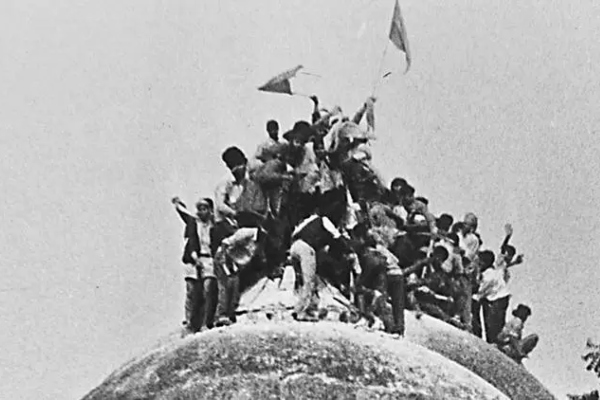
The Ayodhya episode revealed another dimension of this political opportunism. In February 1986, the locks of the disputed structure were opened following a court order during Rajiv Gandhi's prime ministership. In 1989, his government permitted the shilanyas ceremony at an undisputed site near the structure. The Congress attempted to negotiate competing religious sentiments through political manoeuvres rather than articulate a consistent position. Subsequently, the Narasimha Rao government failed to prevent the demolition of the disputed structure in 1992. The Supreme Court later held that the demolition was an egregious violation of the rule of law. There is no justification for it. But the history of Ayodhya cannot be reduced to the demolition alone, while the long-standing Hindu claim and the sentiments associated with Ram Janmabhoomi are treated as politically inconvenient.
The language used by Congress leaders has also contributed to this perception. In 2010, P. Chidambaram's reference to saffron terrorism and, in 2013, then Home Minister Sushilkumar Shinde's remarks about Hindu terrorism placed an entire religious-cultural identity under a cloud of suspicion. Terrorism must be investigated on evidence, irrespective of the religion of the accused. But attaching a religious colour to terrorism without adequate care is irresponsible, particularly when the same political leadership claims to uphold secular values.
These incidents, viewed together, reveal a troubling pattern. The Congress appears to have mistaken secularism for distancing the public sphere from Hindu civilisational expression, while often accommodating conservative religious demands elsewhere for political convenience. True secularism does not demand that Hindus suppress their religious identity or feel apologetic about their traditions. It requires equal respect for all faiths, without discrimination or preferential treatment.
India's Hindu civilisation predates the Congress by millennia. Its traditions, philosophical schools, festivals, temples and spiritual movements have shaped the country's cultural foundations. No political party created this civilization, and no political party has the authority to decide how Hindus should express their faith. Hindu religious identity is not an electoral inconvenience to be managed, nor is Hindu sentiment a secondary consideration in the constitutional life of the country.
Sonia Gandhi may have the right to remember Babri's demolition with sorrow. But the Congress must also confront the larger question of its own historical insensitivity towards Hindu aspirations. Kharge's choice of words only adds to that discomfort. A party that seeks to represent all Indians cannot afford to appear alienated from the cultural and spiritual inheritance of the majority.
The Congress needs to understand one fundamental truth: Hindus do not exist merely as a vote bank for the Congress, nor do their religious sentiments deserve consideration only when politically convenient. They are equal stakeholders in India's national identity. Unfortunately, the Congress's political conduct has repeatedly suggested that Hindu sentiments do not matter to it.
Sonia Gandhi's tears may have been personal, but her politics demands a severe public scrutiny. A leader who mourns the demolition of Babri must also answer for decades of Congress indifference towards Hindu civilisational aspirations. Her selective anguish exposes the party's deepest contradiction - it seeks Hindu votes but rarely respects Hindu sentiments.
The ideological roots of this disconnect can be traced, in part, to the circumstances surrounding the birth of the Congress. Founded in 1885 by British civil servant Allan Octavian Hume, with 72 Indian delegates attending its first session, the organisation initially functioned as a platform for educated Indians to petition the colonial administration for reforms. It subsequently evolved into a mass nationalist movement under Indian leaders, particularly Mahatma Gandhi. However, the colonial-era elite orientation of its early leadership left an enduring imprint on sections of its political thinking. Even after Independence, the Congress often appeared uncomfortable with expressions of Hindu civilisational identity in public life.
Jawaharlal Nehru's attitude towards the reconstruction of the Somnath temple offers an early illustration. Sardar Vallabhbhai Patel supported the reconstruction of the ancient temple, which had suffered repeated destruction. The project was undertaken through public contributions rather than government funding. But Nehru expressed discomfort with the reconstruction and particularly opposed President Rajendra Prasad's participation in its inauguration in May 1951. In a letter to K.M. Munshi in July 1950, questioned the rebuilding of the temple and argued that the government should not undertake religious construction. His concerns about secular governance were explicit. But the larger question remains: why did the restoration of a temple carrying immense historical and civilisational significance become such a source of political discomfort?
The Congress's subsequent record provides further grounds for examining this selective approach. Rajiv Gandhi's government overturned the Supreme Court's Shah Bano judgment through the Muslim Women (Protection of Rights on Divorce) Act, 1986, yielding to pressure from conservative religious leadership at the cost of a Muslim woman's claim to maintenance. This was a retreat from the principle of gender justice and equal citizenship. It also exposed the political calculations behind the Congress's approach to religious sensitivities.
The Ayodhya episode revealed another dimension of this political opportunism. In February 1986, the locks of the disputed structure were opened following a court order during Rajiv Gandhi's prime ministership. In 1989, his government permitted the shilanyas ceremony at an undisputed site near the structure. The Congress attempted to negotiate competing religious sentiments through political manoeuvres rather than articulate a consistent position. Subsequently, the Narasimha Rao government failed to prevent the demolition of the disputed structure in 1992. The Supreme Court later held that the demolition was an egregious violation of the rule of law. There is no justification for it. But the history of Ayodhya cannot be reduced to the demolition alone, while the long-standing Hindu claim and the sentiments associated with Ram Janmabhoomi are treated as politically inconvenient.
The language used by Congress leaders has also contributed to this perception. In 2010, P. Chidambaram's reference to saffron terrorism and, in 2013, then Home Minister Sushilkumar Shinde's remarks about Hindu terrorism placed an entire religious-cultural identity under a cloud of suspicion. Terrorism must be investigated on evidence, irrespective of the religion of the accused. But attaching a religious colour to terrorism without adequate care is irresponsible, particularly when the same political leadership claims to uphold secular values.
More recently, Congress president Mallikarjun Kharge described Diwali as *khushiyon ka Eid* while extending festive greetings. He may defend the expression as a metaphor for happiness. But why should Diwali require comparison with another religious festival to establish its significance? Diwali has its own civilisational history, spiritual meaning, traditions and cultural vocabulary. It celebrates the triumph of light over darkness, knowledge over ignorance and good over evil. Respecting another faith does not require diluting the identity of one's own festival. A national political leader should be able to celebrate Diwali as Diwali, without searching for an external religious analogy.
These incidents, viewed together, reveal a troubling pattern. The Congress appears to have mistaken secularism for distancing the public sphere from Hindu civilisational expression, while often accommodating conservative religious demands elsewhere for political convenience. True secularism does not demand that Hindus suppress their religious identity or feel apologetic about their traditions. It requires equal respect for all faiths, without discrimination or preferential treatment.
India's Hindu civilisation predates the Congress by millennia. Its traditions, philosophical schools, festivals, temples and spiritual movements have shaped the country's cultural foundations. No political party created this civilization, and no political party has the authority to decide how Hindus should express their faith. Hindu religious identity is not an electoral inconvenience to be managed, nor is Hindu sentiment a secondary consideration in the constitutional life of the country.
Sonia Gandhi may have the right to remember Babri's demolition with sorrow. But the Congress must also confront the larger question of its own historical insensitivity towards Hindu aspirations. Kharge's choice of words only adds to that discomfort. A party that seeks to represent all Indians cannot afford to appear alienated from the cultural and spiritual inheritance of the majority.
The Congress needs to understand one fundamental truth: Hindus do not exist merely as a vote bank for the Congress, nor do their religious sentiments deserve consideration only when politically convenient. They are equal stakeholders in India's national identity. Unfortunately, the Congress's political conduct has repeatedly suggested that Hindu sentiments do not matter to it.
Sonia Gandhi's tears may have been personal, but her politics demands a severe public scrutiny. A leader who mourns the demolition of Babri must also answer for decades of Congress indifference towards Hindu civilisational aspirations. Her selective anguish exposes the party's deepest contradiction - it seeks Hindu votes but rarely respects Hindu sentiments.

Editor's Desk
Editor's Desk