Deepawali Beyond Diyas: How faith, festivals and temple tourism are lighting up India's economy
From bustling jewellery markets and neighbourhood sweet shops to the illuminated ghats of Varanasi, Ayodhya and Ujjain, Deepawali is driving an economic activity that reaches millions of Indians. The festival of lights is not just a celebration of faith and tradition; it has also become a major engine of retail, tourism and livelihood generation.
Total Views |


For millions of Indians, Deepawali is the time to bring home something new, decorate their houses, prepare sweets and celebrate with family. Markets remain busy for weeks, shopkeepers extend their working hours, artisans receive additional orders and families set aside money for festive purchases.
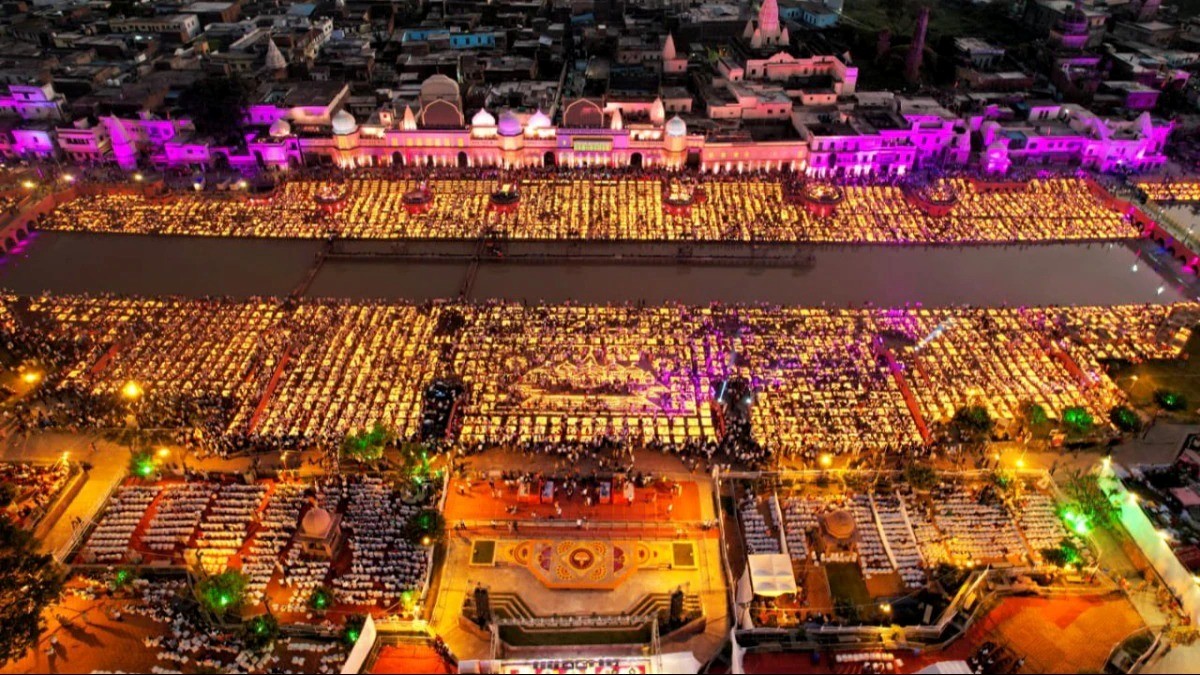
(Deepotsav in Ayodhya, Image: India Today)
But the economic significance of Deepawali goes beyond shopping. It is also a major period for religious travel, bringing devotees to sacred cities and creating business opportunities for people whose livelihoods depend on pilgrimage tourism. From the potter making earthen diyas to the boatman along the Ganga, the flower seller outside a temple and the owner of a small guesthouse, thousands of livelihoods are connected to these celebrations.
Together, festive consumption and religious tourism create a widespread economic cycle, connecting India's biggest markets with its smallest businesses.
A Rs 6.05 lakh crore festive economy
According to the Confederation of All India Traders (CAIT), 2025 Diwali sale generated an estimated Rs 6.05 lakh crore in business, comprising Rs 5.40 lakh crore in goods and Rs 65,000 crore in services. This was 25 per cent higher than the previous year's Rs 4.25 lakh crore and was described as the highest-ever festive turnover in India's retail history.
Grocery and FMCG products accounted for around 12 per cent of goods sales, followed by gold and jewellery at 10 per cent and electronics and electrical goods at 8 per cent. Consumer durables, ready-made garments and gift items each contributed approximately 7 per cent.
One significant feature was the continued strength of traditional markets. Nearly 85 per cent of festive trade took place through brick and mortar markets, while rural and semi-urban areas contributed around 28 per cent. This shows that the festive shopping boom is not restricted to metropolitan cities or affluent consumers. Small towns, neighbourhood markets and village traders are equally important to this economic activity.
The season also generated temporary employment for an estimated 50 lakh people in logistics, packaging, transportation, retail and delivery services. A reported 87 per cent consumer preference for Indian-made products, along with GST rate rationalisation, further supported the demand.
Dhanteras alone accounted for nearly Rs 1 lakh crore in estimated business. Despite higher precious metal prices, gold and silver purchases contributed approximately Rs 60,000 crore. Utensils, kitchenware, electronics and decorative items added to the sales. Vehicle manufacturers also reported higher festive deliveries, with car and two-wheeler retail sales recording growth in the mid-20 per cent range during the broader festive period.
Varanasi: Kashi Vishwanath Dham gives a boost to local businesses
The economic impact of Deepawali becomes particularly visible in India's major pilgrimage destinations. Varanasi, Ayodhya and Ujjain are prominent examples of how improved religious infrastructure is contributing to tourism and local livelihoods.
In Varanasi, the Kashi Vishwanath Dham corridor, inaugurated in December 2021 at an estimated cost of Rs 355 crore, has transformed access to one of the most revered shrines.
The corridor has received more than 25 crore visitors in the years since its inauguration. Official assessments have linked the development to approximately Rs 1.25 lakh crore in economic activity, benefiting hotels, guesthouses, boat operators, traders and other small businesses.
The impact is especially visible during Dev Deepawali, celebrated on Kartik Purnima, shortly after the main Deepawali festival. In 2025, preparations involved lighting more than 25 lakh diyas along the ghats, with visitor estimates reaching approximately 20 lakh.
For visitors, the illuminated riverfront is a spectacular religious and cultural experience. For local residents, it is also one of the busiest business periods of the year. Hotels are booked weeks in advance, room rates rise sharply and boat operators receive a surge in bookings. Potters, flower sellers, sweet makers and vendors experience higher demand as visitors arrive from across the country.
A report estimated single-day business at around Rs 300 crore under high-visitor scenarios, while broader economic activity associated with the event has been estimated in the thousands of crores in some analyses.
Ayodhya: Ram Mandir and Deepotsav create new opportunities
Ayodhya has emerged as another major centre of religious tourism following the inauguration of the Shri Ram Temple.
The temple has brought an unprecedented increase in national attention and visitor movement to the city. Devotees travel from different parts of India to seek the blessings of Ram Lalla, while Deepotsav has become one of the biggest attractions during the festive season.
In 2025, more than 2.6 million diyas were lit along the Saryu riverfront, setting Guinness World Records. The celebration attracted lakhs of visitors and generated substantial demand for accommodation, transport, food and religious merchandise.
The economic impact, however, is not limited to the few days of Deepotsav. The increase in year-round pilgrimage has created business opportunities for local traders, restaurant owners, hotel operators and transport providers.
Studies, including research associated with IIM Lucknow, have documented a sharp rise in economic activity. Some small shopkeepers have reported income increases of up to five times, while hotels and restaurants have benefited from higher visitor numbers.
Demand for prasad, flowers, religious souvenirs, traditional clothing and handicrafts has also increased. For small traders who once depended largely on local customers, the arrival of visitors from across India has opened up a much larger market.
SBI Research had earlier projected that temple-related tourism could substantially increase visitor spending in Uttar Pradesh and generate additional tax revenue.
Thus, the Ram Temple is not only strengthening Ayodhya's position as a major pilgrimage destination but also contributing to the economic opportunities available to the city's residents.
Ujjain: Mahakal Lok expands the pilgrimage economy
Ujjain offers another example of religious infrastructure supporting local economic activity.
The development of Mahakal Lok, built at an estimated cost of Rs 850 crore, has significantly upgraded the temple precinct and improved facilities for visitors. Before the redevelopment, annual footfall was estimated at around 1.5 crore. Visitor numbers have since increased substantially.
During Deepawali, special prayers and religious ceremonies bring additional devotees to the temple. The increased movement of pilgrims supports hotels, restaurants, local transport operators, shops and vendors selling flowers and religious offerings.
The real beneficiaries: Small traders and local livelihoods
Perhaps the most important feature of India's festive and pilgrimage economy is the range of people it involves.
A devotee visiting Varanasi may hire a taxi, book a guesthouse, take a boat ride, purchase flowers and prasad, eat at a local restaurant and buy souvenirs. Each transaction supports a different business or service provider.
The same applies to festive shopping. Purchasing an earthen diya supports the potter who made it. Buying flowers benefits local vendors, while sweet shops, garment stores, jewellery businesses and transporters all experience increased demand.
These businesses may not be large enough to feature prominently in discussions about India's economy, but they provide essential income to countless families.
Religious tourism also creates opportunities in areas where formal industrial employment is limited. Traditional crafts, pottery, handicrafts, local food businesses and transport services become part of a wider economic network.
Government initiatives such as PRASHAD and Swadesh Darshan have also supported the development of infrastructure at important pilgrimage and heritage destinations. Better roads, improved connectivity, accommodation facilities and upgraded public spaces are encouraging more people to undertake religious journeys.
When faith and development move together
Deepawali has always represented prosperity, hope and renewal. Families celebrate the festival by lighting lamps, offering prayers and sharing happiness with their loved ones. What is increasingly evident is how these age-old traditions also support a much wider economic network.
The Rs 6.05 lakh crore festive business recorded in 2025, the nearly Rs 1 lakh crore Dhanteras trade and the growing number of pilgrims visiting Varanasi, Ayodhya and Ujjain reflect the scale of this activity.
Infrastructure investments have helped religious destinations accommodate more visitors, while increased footfall has created demand for local goods and services. The benefits travel from large hotels and organised retailers to small shops, artisans and daily-wage workers.
For India, Deepawali is therefore both a celebration of its civilisational traditions and an important economic occasion. As millions of lamps illuminate homes, markets and sacred riverfronts, they also bring opportunities to the people who make these celebrations possible.
The light of Deepawali, travels far beyond the diyas. It reaches markets, supports livelihoods and helps sustain an economic tradition in which faith and prosperity move together.