How Flap Discs Improve Weld Preparationand Finishing in Metal Fabrication
Total Views |


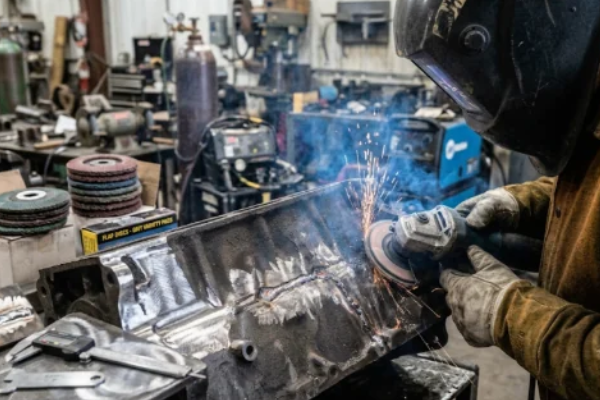
A good weld starts with a clean surface. Rust, paint and mill scale on metal can affect weld quality and cause defects. After welding, remove excess metal and spatter before painting or inspection. Flap discs help with both tasks. Used with an angle grinder, they can remove unwanted material, smooth welds and prepare surfaces for finishing.
For fabricators making stainless steel railings, gates, furniture and kitchen equipment, flap discs make grinding and finishing easier. They also reduce the need to change tools frequently. Knowing which disc type and grit to use helps achieve a clean and even finish.
Construction and Working Principle of Flap Discs
A flap disc is made of several overlapping pieces of abrasive material attached to a strong backing plate.
As the disc rotates and wears down, fresh abrasive material underneath becomes exposed. This helps the disc continue grinding effectively. The overlapping flaps also provide some flexibility, allowing the disc to follow edges and curved surfaces without removing too much material.
Compared with traditional grinding wheels, flap discs generally produce less heat and vibration. This makes them easier to handle during longer working hours. Lower heat also helps reduce discolouration when working on thin stainless steel sheets.
Surface Preparation Before Welding
Cleaning the metal surface before welding is important for achieving a good joint. Oil, rust, paint and mill scale can affect how the weld forms and cause defects such as porosity and incomplete fusion.
Degrease the surface first to remove oil, then use a coarse flap disc to remove rust, paint and mill scale, exposing clean metal.
● Bevelling plate edges: Conical flap discs help create angled edges on thick plates and pipes, allowing the filler material to reach the root of the joint.
● Removing mill scale: Coarse-grit discs remove the oxide layer found on hot-rolled steel.
● Cleaning tack welds: Grinding tack welds smooth helps prevent uneven areas in the final weld.
● Removing burrs: Light grinding removes sharp edges left after cutting with machines or shears.
Proper surface preparation helps the filler material bond to the base metal and reduces the chance of weld defects. Using the right flap disc before welding also makes the next stages of fabrication easier and improves the overall quality of the finished joint.
Weld Blending and Final Finishing
After welding, the joint may have excess metal, uneven edges and spatter. Remove these to give the component a smooth finish. Flap discs help with the following tasks:
● Smoothing welds: Coarse to medium-grit flap discs remove excess weld metal and blend the joint with the surrounding surface.
● Removing scratches: Fine-grit discs smooth out the marks left by earlier grinding.
● Preparing for coating: Removing spatter and sharp edges gives paint and powder coatings a uniform surface to adhere to.
● Checking weld quality: A clean, spatter-free surface makes visible defects easier to spot during inspection.
● Protecting stainless steel surfaces: Use separate flap discs for stainless steel to prevent carbon steel particles from sticking to the surface and causing rust spots.
Corrosion resistance in stainless steel fabrication depends on both the filler metal, such as stainless steel electrodes from manufacturers like Superon Technik and a contamination-free finishing process.
The abrasive grain also affects disc performance:
● Zirconia alumina: Suitable for steel and stainless steel, as it exposes fresh cutting edges during use.
● Aluminium oxide: A more economical option for general grinding and lighter applications.
Choosing the right flap disc and abrasive grain for each finishing task helps achieve a smooth surface while maintaining the quality and appearance of stainless steel components.
Quality Checks Before Buying Flap Discs
The quality of a flap disc affects its performance, finish and safety. Before buying, check the following:
● Clear grit markings to identify the disc's intended use.
● Maximum RPM rating to ensure it matches the grinder.
● Strong backing plates that can withstand grinding pressure.
● Suitable disc sizes and grit options for different jobs.
Many abrasive manufacturers in India offer flap discs in standard sizes and grit ranges. Mixed-grit packs can also be useful for smaller workshops handling different types of fabrication work.
Safe Operating Practices
Using flap discs correctly helps prevent accidents and improves disc life.
Keep the grinder guard in place and wear safety glasses, a face shield and gloves. Check the disc before fitting it and do not use one with damaged backing or loose flaps. Never exceed the maximum speed mentioned on the disc.
Avoid applying too much pressure while grinding. Let the abrasive do the work, as excessive pressure can wear out the flaps faster and cause thin metal sheets to overheat.
Conclusion
Flap discs are useful for both weld preparation and finishing. They help remove rust, mill scale and other surface impurities before welding, while also smoothing welds and removing spatter afterwards. Choosing the right disc profile, grit and abrasive grain helps fabricators achieve a cleaner finish and complete grinding and finishing work more efficiently.