From Prakash Ambedkar to chandrashekhar Azad: Limits of Dali-Muslim Politics
The assumption that Dalit voters constitute an automatic constituency of one political party or one leader is no longer sustainable.
NewsBharati 13-Nov-2026 11:30:37 AM
Total Views |


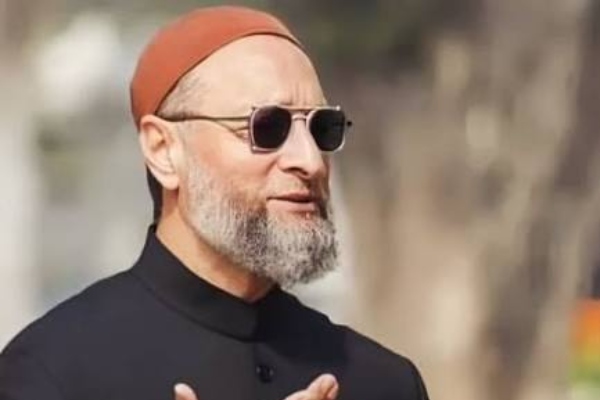
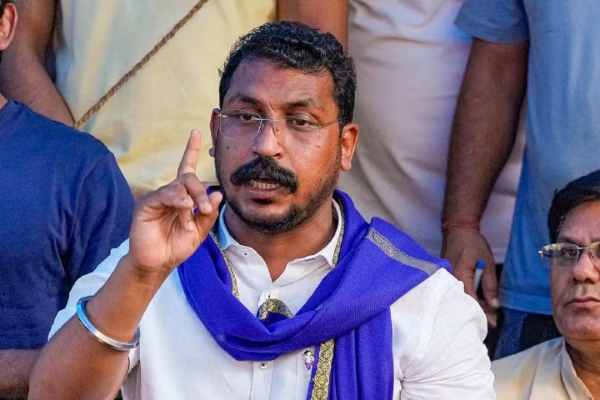
The announcement of the Samajik Parivartan Morcha by Asaduddin Owaisi and Chandrashekhar Azad ahead of the 2027 Uttar Pradesh Assembly elections has added a new dimension to the state's political contest. The two leaders have joined hands with an ambitious objective: to bring Muslim and Dalit voters onto a common platform and prevent the BJP from securing a third consecutive term in Uttar Pradesh. Chandrashekhar Azad has been projected as the alliance's chief ministerial candidate, and the partners have announced their intention to contest all 403 Assembly seats.
The assumption that Dalit voters constitute an automatic constituency of one political party or one leader is no longer sustainable. The BJP's electoral expansion in Uttar Pradesh has demonstrated precisely that. Once regarded primarily as a party supported by upper castes, the BJP has successfully widened its social base by reaching sections of non-Jatav Dalits, non-Yadav OBCs and other communities that had felt inadequately represented by established caste-based political formations.
The BJP's victories in the 2017 and 2022 Assembly elections cannot be explained merely through its traditional support base. Its social coalition was considerably wider. In 2017, the party won 312 of the 403 Assembly seats; in 2022, it returned to power with 255 seats and a vote share of approximately 41.3 per cent. The consolidation of non-Jatav Dalit support was an important component of this wider coalition. A Lokniti-CSDS-based analysis cited by NDTV puts BJP support among non-Jatav Dalits at around 40 per cent in 2022, compared with approximately 7 per cent in 2012. These figures underline the extent of the political shift.
This expansion did not happen overnight. The BJP invested in organisational outreach, cultivated leaders from different communities and sought to build a political constituency beyond the dominant caste groups. Its welfare programmes, including housing, sanitation, cooking-gas connections, drinking water, electricity and direct benefit transfers, also created points of contact with economically disadvantaged households. The political argument was that access to government benefits should not depend on caste or community identity. Whether every promise has been fulfilled is a separate question, but the electoral significance of this outreach cannot be dismissed.
The same broadening of the NDA's social coalition was visible in Bihar. The 2025 Assembly election demonstrated the importance of a wider caste and welfare-based alliance. The BJP's traditional upper-caste support was complemented by the support bases of its allies, including Chirag Paswan's Lok Janshakti Party (Ram Vilas), Jitan Ram Manjhi's Hindustani Awam Morcha and Nitish Kumar's JD(U), with their respective connections among Dalit, Mahadalit, backward and extremely backward communities. The NDA's victory was also attributed to women's support, welfare measures and a broader social coalition. It would be inaccurate to attribute the Bihar result exclusively to Dalit consolidation, but it clearly demonstrated that the opposition's traditional caste arithmetic could be challenged by a wider electoral alliance.
This is the political reality that the Owaisi-Azad combination must confront. Dalits are not a homogeneous voting bloc. Jatavs, traditionally associated with the BSP, have distinct political preferences from non-Jatav communities such as Pasis, Valmikis, Koris and others. Their local interests, economic circumstances and political experiences differ. A leader's Dalit identity does not automatically translate into the support of every Dalit sub-community.
The 2024 Lok Sabha election in Uttar Pradesh also offers an important lesson. The BJP suffered a setback, while the SP-Congress alliance gained support among non-Jatav Dalits. Lokniti-CSDS survey estimates suggest that the INDIA alliance secured 56 per cent of the non-Jatav Dalit vote, while the BJP-led NDA's share fell to 29 per cent. The campaign around the Constitution and reservations, alongside local political factors, contributed to this shift. The BJP cannot ignore the reversal. But neither can its opponents assume that the 2024 result has permanently erased the party's Dalit support. Electoral preferences are not fixed; they change with issues, leadership, alliances and performance.
The new alliance also poses a direct challenge to Akhilesh Yadav. His PDA formulation Pichhde, Dalit and Alpsankhyak seeks to bring backward classes, Dalits and minorities into one political coalition. Owaisi and Azad are now claiming space within the same constituencies. The SP's traditional Muslim-Yadav combination is therefore facing competition from a formation that seeks to give Muslim and Dalit political leadership a separate platform.
There is an irony here. Owaisi had been seeking accommodation within the broader opposition arrangement, but his overtures to the SP and Congress did not result in an alliance. He has now chosen an independent route with Azad. The opposition's inability to accommodate competing ambitions has produced yet another political front. The charge that the BJP benefits from opposition fragmentation will inevitably return, although Azad has rejected the description of his party as the BJP's "B team".
Announcing a chief ministerial candidate is one thing; establishing a statewide organisation, identifying credible candidates in 403 constituencies and articulating a coherent programme for employment, education, investment, law and order, agriculture and social welfare are quite another. The alliance must explain how it intends to address the aspirations of communities whose votes it seeks.
For the BJP, the development should be viewed with political confidence, but not complacency. The party's expansion among Dalits and backward communities is an achievement that must be sustained through representation, organisational participation and delivery of welfare. The 2024 setback in Uttar Pradesh showed that sections of these communities can move away when they feel unheard or when opposition messaging resonates with their concerns. A political base cannot be treated as permanent property.
The emergence of the Samajik Parivartan Morcha is therefore a test for all political formations in Uttar Pradesh. It is a test of Akhilesh Yadav's PDA arithmetic, of Owaisi's claim to independent Muslim political representation and of Chandrashekhar Azad's ability to translate his Dalit identity into a wider electoral constituency.
The announcement is being presented as the emergence of a new social coalition. But there is a fundamental question its architects must answer - are Muslim and Dalit voters waiting for another political combination to claim to represent them? More importantly, have Owaisi and Azad taken into account the considerable changes in Uttar Pradesh's electoral landscape over the past decade?
The assumption that Dalit voters constitute an automatic constituency of one political party or one leader is no longer sustainable. The BJP's electoral expansion in Uttar Pradesh has demonstrated precisely that. Once regarded primarily as a party supported by upper castes, the BJP has successfully widened its social base by reaching sections of non-Jatav Dalits, non-Yadav OBCs and other communities that had felt inadequately represented by established caste-based political formations.
The BJP's victories in the 2017 and 2022 Assembly elections cannot be explained merely through its traditional support base. Its social coalition was considerably wider. In 2017, the party won 312 of the 403 Assembly seats; in 2022, it returned to power with 255 seats and a vote share of approximately 41.3 per cent. The consolidation of non-Jatav Dalit support was an important component of this wider coalition. A Lokniti-CSDS-based analysis cited by NDTV puts BJP support among non-Jatav Dalits at around 40 per cent in 2022, compared with approximately 7 per cent in 2012. These figures underline the extent of the political shift.
This expansion did not happen overnight. The BJP invested in organisational outreach, cultivated leaders from different communities and sought to build a political constituency beyond the dominant caste groups. Its welfare programmes, including housing, sanitation, cooking-gas connections, drinking water, electricity and direct benefit transfers, also created points of contact with economically disadvantaged households. The political argument was that access to government benefits should not depend on caste or community identity. Whether every promise has been fulfilled is a separate question, but the electoral significance of this outreach cannot be dismissed.
The same broadening of the NDA's social coalition was visible in Bihar. The 2025 Assembly election demonstrated the importance of a wider caste and welfare-based alliance. The BJP's traditional upper-caste support was complemented by the support bases of its allies, including Chirag Paswan's Lok Janshakti Party (Ram Vilas), Jitan Ram Manjhi's Hindustani Awam Morcha and Nitish Kumar's JD(U), with their respective connections among Dalit, Mahadalit, backward and extremely backward communities. The NDA's victory was also attributed to women's support, welfare measures and a broader social coalition. It would be inaccurate to attribute the Bihar result exclusively to Dalit consolidation, but it clearly demonstrated that the opposition's traditional caste arithmetic could be challenged by a wider electoral alliance.
This is the political reality that the Owaisi-Azad combination must confront. Dalits are not a homogeneous voting bloc. Jatavs, traditionally associated with the BSP, have distinct political preferences from non-Jatav communities such as Pasis, Valmikis, Koris and others. Their local interests, economic circumstances and political experiences differ. A leader's Dalit identity does not automatically translate into the support of every Dalit sub-community.
The 2024 Lok Sabha election in Uttar Pradesh also offers an important lesson. The BJP suffered a setback, while the SP-Congress alliance gained support among non-Jatav Dalits. Lokniti-CSDS survey estimates suggest that the INDIA alliance secured 56 per cent of the non-Jatav Dalit vote, while the BJP-led NDA's share fell to 29 per cent. The campaign around the Constitution and reservations, alongside local political factors, contributed to this shift. The BJP cannot ignore the reversal. But neither can its opponents assume that the 2024 result has permanently erased the party's Dalit support. Electoral preferences are not fixed; they change with issues, leadership, alliances and performance.
The new alliance also poses a direct challenge to Akhilesh Yadav. His PDA formulation Pichhde, Dalit and Alpsankhyak seeks to bring backward classes, Dalits and minorities into one political coalition. Owaisi and Azad are now claiming space within the same constituencies. The SP's traditional Muslim-Yadav combination is therefore facing competition from a formation that seeks to give Muslim and Dalit political leadership a separate platform.
There is an irony here. Owaisi had been seeking accommodation within the broader opposition arrangement, but his overtures to the SP and Congress did not result in an alliance. He has now chosen an independent route with Azad. The opposition's inability to accommodate competing ambitions has produced yet another political front. The charge that the BJP benefits from opposition fragmentation will inevitably return, although Azad has rejected the description of his party as the BJP's "B team".
The question is not whether Owaisi and Azad have the democratic right to form an alliance. They certainly do. Nor should every new political formation be dismissed merely because it contests against the established opposition. The question is whether the alliance has a programme that extends beyond electoral arithmetic and the common objective of defeating the BJP.
Announcing a chief ministerial candidate is one thing; establishing a statewide organisation, identifying credible candidates in 403 constituencies and articulating a coherent programme for employment, education, investment, law and order, agriculture and social welfare are quite another. The alliance must explain how it intends to address the aspirations of communities whose votes it seeks.
For the BJP, the development should be viewed with political confidence, but not complacency. The party's expansion among Dalits and backward communities is an achievement that must be sustained through representation, organisational participation and delivery of welfare. The 2024 setback in Uttar Pradesh showed that sections of these communities can move away when they feel unheard or when opposition messaging resonates with their concerns. A political base cannot be treated as permanent property.
The emergence of the Samajik Parivartan Morcha is therefore a test for all political formations in Uttar Pradesh. It is a test of Akhilesh Yadav's PDA arithmetic, of Owaisi's claim to independent Muslim political representation and of Chandrashekhar Azad's ability to translate his Dalit identity into a wider electoral constituency.
But one lesson from the past decade is unmistakable: Dalit voters are not captive to any political party. The BJP has already demonstrated that it can build support beyond its traditional social base. The opposition would do well to recognise this reality before declaring a new alliance the harbinger of a political transformation. In Uttar Pradesh, electoral arithmetic is important; political credibility, organisation This is hardly the first attempt to forge a Muslim-Dalit political alliance. Maharashtra witnessed a similar experiment when Prakash Ambedkar and Asaduddin Owaisi came together under the banner of the Vanchit Bahujan Aghadi in 2018. The alliance did win the Aurangabad Lok Sabha seat in 2019, but it failed to survive the subsequent Assembly election negotiations.
The two parties parted ways over seat-sharing, exposing the fragility of an arrangement built more on electoral arithmetic than on a durable common political programme. The underlying problem remains: Dalits and Muslims are not monolithic vote banks, and their political aspirations cannot be assumed to be identical. The proposed Owaisi-Azad front must reckon with this history. A coalition announced in the name of social unity cannot manufacture social unity merely by bringing two leaders onto the same platform.

Editor's Desk
Editor's Desk