From Sam Uncle to Rahul Baba: A Modi Irony
The Congress may continue to oppose Modi politically, and it is perfectly entitled to do so.
Total Views |


Rahul Gandhi has a difficult question to answer. If he cannot convince even Sam Pitroda, affectionately known in the political circle as Sam Uncle, to share his perception of Narendra Modi, how does he expect to convince the people of India? The latest remarks by the Indian Overseas Congress chief have created an interesting political situation for the Congress leadership. A man who has been closely associated with the Gandhi family for decades has publicly acknowledged qualities in Modi that the Congress's political narrative rarely cares to recognise.
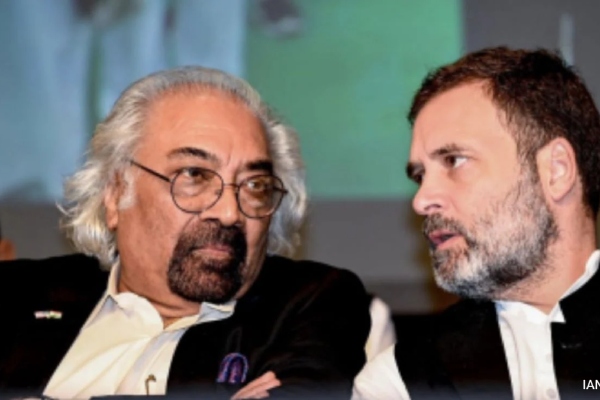
This is no ordinary compliment coming from a political outsider. Pitroda is not a casual acquaintance of the Gandhi family. His association with the family goes back to the Rajiv Gandhi era. In the 1980s, he became an important adviser to Rajiv Gandhi and played a significant role in the Technology Missions that helped shape India's telecommunications revolution. He was among Rajiv's trusted associates and remained closely connected with the family after his death. He subsequently helped Rahul Gandhi organise interactions with the Indian diaspora and universities during Rahul's visits to the United States. Today, he heads the Indian Overseas Congress. His proximity to the Gandhi family is hardly a secret.
That is precisely what makes his remarks politically interesting. If somebody with such a long association with the Gandhi family can acknowledge Modi's personal qualities despite sharp ideological differences, the Congress leadership may find it difficult to explain its own persistent politics of personal hostility. Pitroda has not abandoned his ideological disagreements with Modi. He has not endorsed the BJP's policies or announced a political change of heart. But he has demonstrated that disagreement does not require personal animosity. That distinction seems to have escaped much of the Congress's political discourse.
One can imagine the discomfort the remarks may cause in the Congress camp. Rahul Gandhi has repeatedly attacked Modi, questioning his leadership, policies and intentions. His political campaign has often been built around a sharp personal confrontation with the Prime Minister. Yet, here is Sam Pitroda, one of the Gandhi family's trusted associates, describing the same individual in remarkably different terms. The obvious question is: if Rahul cannot persuade Sam Uncle to share his personal assessment of Modi, how does he expect ordinary citizens to accept it without question?
The irony becomes even more striking when Sonia Gandhi's own political history is recalled. During the 2007 Gujarat Assembly election campaign, she famously described Modi as Maut Ka Saudagar. The expression became one of the most controversial episodes of that election campaign. Modi turned the remark into a political issue, arguing that Sonia had insulted Gujarat. The Election Commission issued her a notice, and she subsequently clarified that her reference was to the state administration rather than Modi alone. The phrase, however, remained embedded in the political vocabulary of the Congress-BJP confrontation.
Nearly two decades later, a close associate of the same Gandhi family is describing Modi as warm, kind, loving and caring. What a remarkable contrast! Sonia's political description and Pitroda's personal experience belong to two entirely different worlds. The former was a campaign attack; the latter is an account of personal interaction. But the contrast is difficult to ignore.
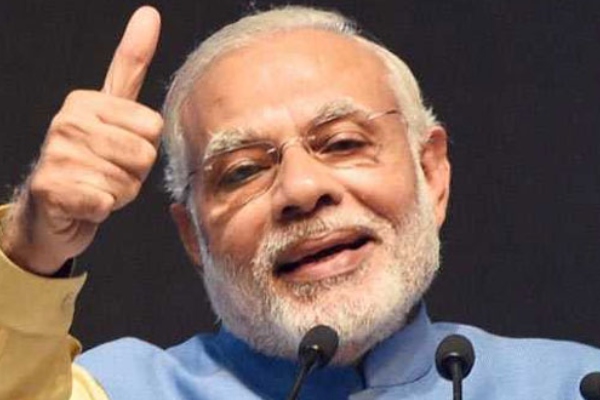
There is another irony. Pitroda's interview also contained criticism of India's electoral system and support for Rahul Gandhi's concerns about vote theft. Thus, he continues to stand with the Congress on important political questions. His appreciation of Modi is not a political endorsement. Yet, even within that framework, his candour stands out. He has refused to allow political disagreement to erase his personal experience.
Perhaps Rahul Gandhi should take note. Political leadership is not about persuading everyone to dislike one's opponent. Nor does repeating allegations automatically make them convincing. People form their opinions through their own experiences, observations and assessments. Pitroda has made his distinction clear: he disagrees with Modi's ideology but respects the individual.
The Congress may continue to oppose Modi politically, and it is perfectly entitled to do so. But it cannot expect every person associated with the party to deny even the qualities that he or she has personally experienced. If Sam Uncle can acknowledge them, perhaps Rahul Gandhi should reconsider the limits of his political narrative. After all, convincing the people is a considerably bigger task than convincing a political associate. And when even Sam Pitroda refuses to fit neatly into the script, the problem may not be with the audience.
In an interview, Pitroda described Modi as a Gujarati friend whom he respects as a person. He called the Prime Minister warm, kind, loving and caring. He also acknowledged that Modi is hardworking and a good orator. More significantly, he said that he and his wife had met Modi several times and that he had visited the Prime Minister's house in Gujarat on several occasions. He went a step further, saying that he could disagree with Modi's ideology and still have dinner with him, share a laugh and enjoy a cordial relationship. There were no personal issues, he insisted.
This is no ordinary compliment coming from a political outsider. Pitroda is not a casual acquaintance of the Gandhi family. His association with the family goes back to the Rajiv Gandhi era. In the 1980s, he became an important adviser to Rajiv Gandhi and played a significant role in the Technology Missions that helped shape India's telecommunications revolution. He was among Rajiv's trusted associates and remained closely connected with the family after his death. He subsequently helped Rahul Gandhi organise interactions with the Indian diaspora and universities during Rahul's visits to the United States. Today, he heads the Indian Overseas Congress. His proximity to the Gandhi family is hardly a secret.
That is precisely what makes his remarks politically interesting. If somebody with such a long association with the Gandhi family can acknowledge Modi's personal qualities despite sharp ideological differences, the Congress leadership may find it difficult to explain its own persistent politics of personal hostility. Pitroda has not abandoned his ideological disagreements with Modi. He has not endorsed the BJP's policies or announced a political change of heart. But he has demonstrated that disagreement does not require personal animosity. That distinction seems to have escaped much of the Congress's political discourse.
One can imagine the discomfort the remarks may cause in the Congress camp. Rahul Gandhi has repeatedly attacked Modi, questioning his leadership, policies and intentions. His political campaign has often been built around a sharp personal confrontation with the Prime Minister. Yet, here is Sam Pitroda, one of the Gandhi family's trusted associates, describing the same individual in remarkably different terms. The obvious question is: if Rahul cannot persuade Sam Uncle to share his personal assessment of Modi, how does he expect ordinary citizens to accept it without question?
The irony becomes even more striking when Sonia Gandhi's own political history is recalled. During the 2007 Gujarat Assembly election campaign, she famously described Modi as Maut Ka Saudagar. The expression became one of the most controversial episodes of that election campaign. Modi turned the remark into a political issue, arguing that Sonia had insulted Gujarat. The Election Commission issued her a notice, and she subsequently clarified that her reference was to the state administration rather than Modi alone. The phrase, however, remained embedded in the political vocabulary of the Congress-BJP confrontation.
Nearly two decades later, a close associate of the same Gandhi family is describing Modi as warm, kind, loving and caring. What a remarkable contrast! Sonia's political description and Pitroda's personal experience belong to two entirely different worlds. The former was a campaign attack; the latter is an account of personal interaction. But the contrast is difficult to ignore.
Modi, meanwhile, responded with characteristic cordiality. He wished Pitroda and his wife, Anjana Ben, on Diwali and the Gujarati New Year, addressing him as 'Sam Bhai'. There was no political lecture, no reference to ideological differences and no attempt to exploit the occasion. Just a warm greeting. The exchange offered a glimpse of how political opponents can maintain personal relationships without compromising their respective positions.
There is another irony. Pitroda's interview also contained criticism of India's electoral system and support for Rahul Gandhi's concerns about vote theft. Thus, he continues to stand with the Congress on important political questions. His appreciation of Modi is not a political endorsement. Yet, even within that framework, his candour stands out. He has refused to allow political disagreement to erase his personal experience.
Perhaps Rahul Gandhi should take note. Political leadership is not about persuading everyone to dislike one's opponent. Nor does repeating allegations automatically make them convincing. People form their opinions through their own experiences, observations and assessments. Pitroda has made his distinction clear: he disagrees with Modi's ideology but respects the individual.
The Congress may continue to oppose Modi politically, and it is perfectly entitled to do so. But it cannot expect every person associated with the party to deny even the qualities that he or she has personally experienced. If Sam Uncle can acknowledge them, perhaps Rahul Gandhi should reconsider the limits of his political narrative. After all, convincing the people is a considerably bigger task than convincing a political associate. And when even Sam Pitroda refuses to fit neatly into the script, the problem may not be with the audience.