Rahul's Road to Anarchy
There is a fundamental difference between governments changing through elections and governments being brought down through mass street agitation.
NewsBharati 14-Nov-2026 13:06:50 PM
Total Views |


Rahul Gandhi's renewed challenge to Prime Minister Narendra Modi for a one-on-one public debate is not an isolated political stunt. It is part of a pattern that has become increasingly visible over the past few months. Whether it is his repeated allegations against constitutional authorities, the campaign against the Election Commission, the symbolic public impeachment of Chief Election Commissioner Gyanesh Kumar or the preference for street mobilisation over institutional forums, a common thread runs through these developments: the growing tendency to shift political confrontation away from established democratic institutions.
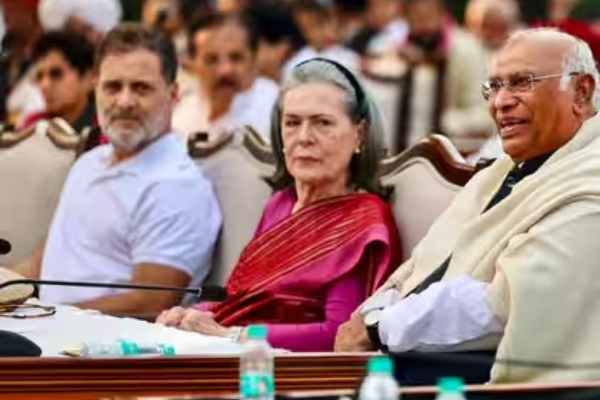
But why does the Leader of the Opposition need a specially arranged political spectacle when Parliament is available? Rahul claims that he is not allowed to speak in the Lok Sabha and that his microphone is switched off. If he believes his parliamentary rights are being denied, he has institutional procedures available to raise the issue. The Speaker, parliamentary rules and the record of proceedings are all part of the constitutional framework. He cannot make Parliament irrelevant simply because he is dissatisfied with its functioning.
Parliament is not a private debating club where two political leaders decide the format, venue, moderator and rules. It represents the people of India. The Prime Minister is answerable to the House, and the Opposition has the responsibility to question the government through established procedures. A Leader of the Opposition who repeatedly demands a personal encounter with the Prime Minister should also demonstrate his willingness to use the authority and responsibility of his office.
The episode involving Chief Election Commissioner Gyanesh Kumar raises an even larger question. On October 31, INDIA bloc leaders organised what they described as a public impeachment of the CEC. It included mock parliamentary and judicial proceedings. The Opposition had earlier submitted formal removal motions, which were rejected by the presiding officers of both Houses. The alliance claimed that the public exercise became necessary because its parliamentary efforts had failed.
But a political protest and a constitutional proceeding are not interchangeable. Article 324(5) provides a specific procedure for removing the Chief Election Commissioner, on grounds and through a process comparable to that applicable to a Supreme Court judge. A symbolic exercise outside Parliament cannot acquire the authority of a constitutional process. Political disagreement with the Election Commission is legitimate; turning a constitutional authority into the subject of a mock trial is an altogether different political message.
The question is not whether the Opposition has the right to criticise the CEC. It certainly does. The question is whether repeatedly staging such exercises helps strengthen public confidence in constitutional institutions or further weakens it. If every disagreement with an institution is converted into a campaign to delegitimize it, what happens to the credibility of the institution itself? And what happens when a political party that hopes to govern the country begins treating constitutional authorities as legitimate only when their decisions suit its interests?
This pattern is visible in the manner in which the Election Commission has been targeted over SIR and allegations of vote theft. Rahul Gandhi has repeatedly questioned the credibility of the electoral process and accused the Commission of colluding with the ruling party. Such allegations require evidence and must be examined through appropriate legal and constitutional mechanisms. But repeatedly telling citizens that elections are stolen, institutions are compromised and constitutional authorities are acting at the government's behest carries consequences beyond the immediate political contest.
The same concern arises from the increasing emphasis on street mobilisation. Protest is an essential democratic right. Citizens and political parties must be free to demonstrate, organise rallies and express disagreement. But street politics cannot become a substitute for parliamentary debate, legal remedies and elections. When political mobilisation begins to acquire the character of permanent confrontation, the boundary between democratic protest and disorder becomes increasingly important. Democracy cannot be reduced to the numerical strength of a crowd assembled on a public road.
The references to Nepal and Bangladesh by Congress leaders make this issue even more relevant. Jharkhand Health Minister and Congress leader Irfan Ansari recently invoked the upheavals in the two neighbouring countries, warning that India's situation could become worse and claiming that Rahul Gandhi was holding back millions of young people from taking to the streets. Separately, AISA president Neha Bora praised the Bangladesh student movement and said that the movement in India had drawn inspiration from it. These statements deserve political scrutiny. Why are upheavals that resulted in the fall of governments in neighbouring countries being invoked as examples for political mobilisation in India?
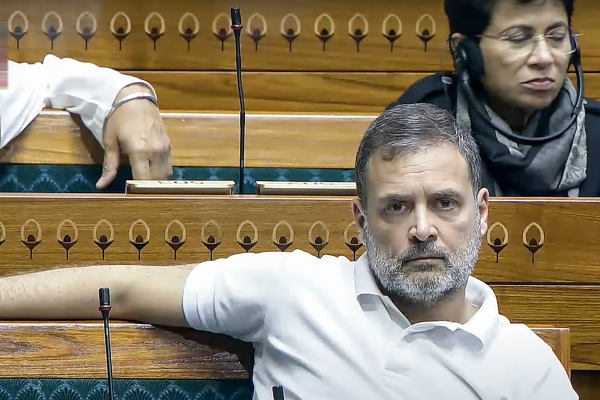
The Congress and Rahul Gandhi must clarify where they stand on this distinction. If the objective is to replace the Modi government, the Constitution provides the route: persuade voters, contest elections and secure a majority. That is the democratic method. No party has a right to treat an electoral defeat as proof that the system itself is illegitimate. Nor can street pressure become a parallel mechanism for deciding who should govern.
The political responsibility of an Opposition is not merely to oppose the government. It is to offer an alternative, scrutinise policies, present evidence, participate in Parliament and persuade the electorate. The Leader of the Opposition occupies an important constitutional position. His conduct inevitably influences how citizens view the institutions of democracy.
Rahul Gandhi is entitled to challenge Modi, question the government and mobilise public opinion. But he must also answer a larger question: why does his political strategy increasingly revolve around questioning the credibility of institutions, staging symbolic proceedings and seeking public confrontations outside Parliament? Why is so much political energy being spent on delegitimising the system rather than demonstrating how his party would govern within it?
The danger is not political disagreement. Disagreement is the lifeblood of democracy. The danger arises when disagreement becomes a reason to undermine the very institutions that make democratic disagreement possible. Parliament, the Election Commission, the judiciary and the electoral process cannot be treated as legitimate only when they deliver politically convenient outcomes.
Power in India is acquired through the ballot, not through a street spectacle; governments are changed through elections, not through manufactured confrontations. Rahul Gandhi may challenge the Prime Minister as often as he wishes. But the more consequential challenge is whether he and his party are prepared to respect the constitutional route to power, even when the verdict of the electorate goes against them.
Rahul's latest video, released on November 13, once again challenges Modi to a direct debate. He claims that the Prime Minister would not remain in office after such an exchange. He says he wants both leaders seated across a table, exchanging allegations rather than delivering lengthy speeches. He has even suggested that Gautam Adani or RSS Sarsanghchalak Mohan Bhagwat could act as judges. He has also alleged that Modi has his phone tapped and that it contains evidence of foreign influence and anti-national activities.
But why does the Leader of the Opposition need a specially arranged political spectacle when Parliament is available? Rahul claims that he is not allowed to speak in the Lok Sabha and that his microphone is switched off. If he believes his parliamentary rights are being denied, he has institutional procedures available to raise the issue. The Speaker, parliamentary rules and the record of proceedings are all part of the constitutional framework. He cannot make Parliament irrelevant simply because he is dissatisfied with its functioning.
Parliament is not a private debating club where two political leaders decide the format, venue, moderator and rules. It represents the people of India. The Prime Minister is answerable to the House, and the Opposition has the responsibility to question the government through established procedures. A Leader of the Opposition who repeatedly demands a personal encounter with the Prime Minister should also demonstrate his willingness to use the authority and responsibility of his office.
The episode involving Chief Election Commissioner Gyanesh Kumar raises an even larger question. On October 31, INDIA bloc leaders organised what they described as a public impeachment of the CEC. It included mock parliamentary and judicial proceedings. The Opposition had earlier submitted formal removal motions, which were rejected by the presiding officers of both Houses. The alliance claimed that the public exercise became necessary because its parliamentary efforts had failed.
But a political protest and a constitutional proceeding are not interchangeable. Article 324(5) provides a specific procedure for removing the Chief Election Commissioner, on grounds and through a process comparable to that applicable to a Supreme Court judge. A symbolic exercise outside Parliament cannot acquire the authority of a constitutional process. Political disagreement with the Election Commission is legitimate; turning a constitutional authority into the subject of a mock trial is an altogether different political message.
The question is not whether the Opposition has the right to criticise the CEC. It certainly does. The question is whether repeatedly staging such exercises helps strengthen public confidence in constitutional institutions or further weakens it. If every disagreement with an institution is converted into a campaign to delegitimize it, what happens to the credibility of the institution itself? And what happens when a political party that hopes to govern the country begins treating constitutional authorities as legitimate only when their decisions suit its interests?
This pattern is visible in the manner in which the Election Commission has been targeted over SIR and allegations of vote theft. Rahul Gandhi has repeatedly questioned the credibility of the electoral process and accused the Commission of colluding with the ruling party. Such allegations require evidence and must be examined through appropriate legal and constitutional mechanisms. But repeatedly telling citizens that elections are stolen, institutions are compromised and constitutional authorities are acting at the government's behest carries consequences beyond the immediate political contest.
The same concern arises from the increasing emphasis on street mobilisation. Protest is an essential democratic right. Citizens and political parties must be free to demonstrate, organise rallies and express disagreement. But street politics cannot become a substitute for parliamentary debate, legal remedies and elections. When political mobilisation begins to acquire the character of permanent confrontation, the boundary between democratic protest and disorder becomes increasingly important. Democracy cannot be reduced to the numerical strength of a crowd assembled on a public road.
The references to Nepal and Bangladesh by Congress leaders make this issue even more relevant. Jharkhand Health Minister and Congress leader Irfan Ansari recently invoked the upheavals in the two neighbouring countries, warning that India's situation could become worse and claiming that Rahul Gandhi was holding back millions of young people from taking to the streets. Separately, AISA president Neha Bora praised the Bangladesh student movement and said that the movement in India had drawn inspiration from it. These statements deserve political scrutiny. Why are upheavals that resulted in the fall of governments in neighbouring countries being invoked as examples for political mobilisation in India?
There is a fundamental difference between governments changing through elections and governments being brought down through mass street agitation. Nepal and Bangladesh have their own political histories and circumstances. India has a functioning constitutional democracy, regular elections, an independent judiciary, a parliamentary system and established procedures for political change. Any attempt to suggest that street mobilisation should become an alternative route to political power raises serious questions about the respect being shown to these institutions.
The Congress and Rahul Gandhi must clarify where they stand on this distinction. If the objective is to replace the Modi government, the Constitution provides the route: persuade voters, contest elections and secure a majority. That is the democratic method. No party has a right to treat an electoral defeat as proof that the system itself is illegitimate. Nor can street pressure become a parallel mechanism for deciding who should govern.
The political responsibility of an Opposition is not merely to oppose the government. It is to offer an alternative, scrutinise policies, present evidence, participate in Parliament and persuade the electorate. The Leader of the Opposition occupies an important constitutional position. His conduct inevitably influences how citizens view the institutions of democracy.
Rahul Gandhi is entitled to challenge Modi, question the government and mobilise public opinion. But he must also answer a larger question: why does his political strategy increasingly revolve around questioning the credibility of institutions, staging symbolic proceedings and seeking public confrontations outside Parliament? Why is so much political energy being spent on delegitimising the system rather than demonstrating how his party would govern within it?
The danger is not political disagreement. Disagreement is the lifeblood of democracy. The danger arises when disagreement becomes a reason to undermine the very institutions that make democratic disagreement possible. Parliament, the Election Commission, the judiciary and the electoral process cannot be treated as legitimate only when they deliver politically convenient outcomes.
Power in India is acquired through the ballot, not through a street spectacle; governments are changed through elections, not through manufactured confrontations. Rahul Gandhi may challenge the Prime Minister as often as he wishes. But the more consequential challenge is whether he and his party are prepared to respect the constitutional route to power, even when the verdict of the electorate goes against them.

Editor's Desk
Editor's Desk