Old Videos Circulated to Build Fake Torture Narrative After Kulgam Attack: JKCDC
Total Views |


New Delhi, November 17: Following the November 11 terror attack in Kulgam district of Jammu and Kashmir, Pakistan-based propaganda networks have allegedly been circulating old videos on social media to create a false narrative of torture by Indian security forces, according to the Jammu and Kashmir Counter Disinformation Centre (JKCDC).
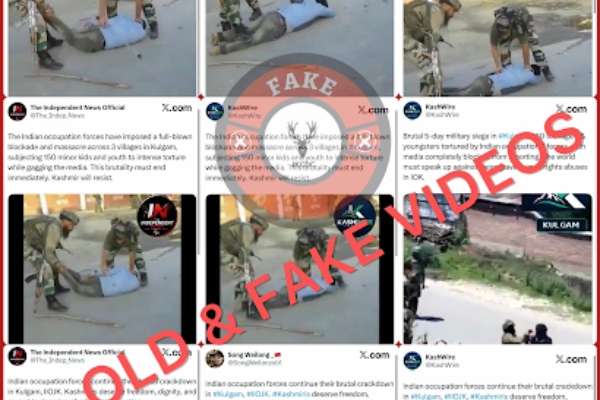 The latest claims flagged by JKCDC highlight how security-related incidents can become targets of coordinated online misinformation campaigns. Verifying the original source, date and location of videos remains important before sharing them, particularly during sensitive security operations.
In a series of posts on November 17, JKCDC flagged the circulation of outdated footage being presented as recent incidents involving the alleged torture of Kashmiri youngsters and children by security personnel. The centre said the videos were being shared with misleading claims to link unrelated incidents to the aftermath of the Kulgam attack.
According to JKCDC, the alleged campaign aims to exploit the situation following the attack and portray Indian
security forces in a negative light. By presenting old footage as fresh incidents, such posts attempt to create confusion and spread misinformation among social media users.
The development comes after suspected terrorists opened fire on Central Reserve Police Force (CRPF) personnel at a security checkpoint in the Nowpora area of Kulgam on November 11. The attack took place at around 2:15 pm and left three CRPF personnel injured.
Following the incident, several misleading claims and manipulated videos also surfaced on social media. These included attempts to portray the anti-terror operation as staged and to circulate fabricated statements attributed to defence experts and political leaders.
Disinformation Alert 🚨
— Counter Disinformation Centre (@JKCDC_) November 17, 2026
Old Videos being linked to #Kulgam to manufacture a Fake Torture Narrative
In the aftermath of the Kulgam Attack, Pakistan-based propaganda networks have been activated to circulate OLD VIDEOS, claiming that security forces tortured Kashmiri - (1/3) pic.twitter.com/u7MVw8xGE5
In one such instance, a video claiming that the Kulgam anti-terror operation was staged was found to be old footage from a separate security operation in Chak Tapper, Kreeri Pattan, Baramulla, in September 2024. Another viral video falsely attributed remarks about a false-flag operation to defence expert Praful Bakshi. Fact-checking found that the original interview had been manipulated using artificial intelligence.
Another video falsely claimed that Defence Minister Rajnath Singh had admitted that Army morale was low. The footage was traced to his Diwali address to soldiers in Sikkim, with fabricated remarks added to it.
The circulation of old footage with misleading captions is a common disinformation tactic. Such content uses genuine visuals but changes their original date, location or context to make unrelated incidents appear connected to current developments.