SC Tells Sanjay Raut Apology Must Come From the Heart, Seeks Explanation Over Subsequent Posts
Total Views |


New Delhi, November 17: The Supreme Court on Tuesday told Shiv Sena (UBT) Rajya Sabha MP Sanjay Raut that an apology in a matter involving allegations of criminal contempt must come from the heart and not merely from the mind. The observation came during the hearing of a criminal contempt petition filed by the Supreme Court Bar Association (SCBA) over remarks made by Raut and journalist Nikhil Wagle concerning Chief Justice of India Surya Kant and the judiciary.
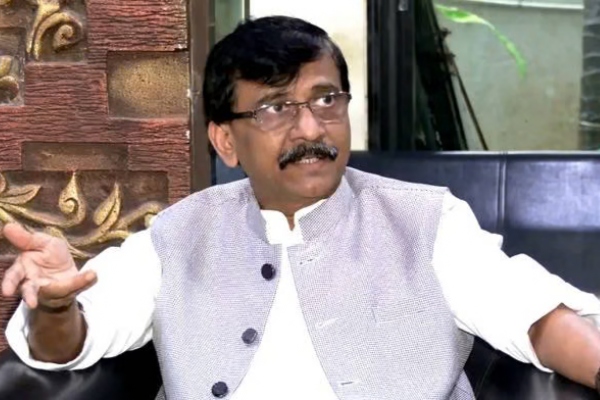
A Bench comprising Justices Aravind Kumar and Vipul M. Pancholi heard the matter, with Raut appearing personally in compliance with the court's earlier direction.
Senior advocate Pradeep Rai, appearing for the SCBA, submitted that although Raut had tendered an apology for his earlier remarks, his subsequent social-media posts continued to target the Supreme Court and the judiciary. Rai specifically referred to a post carrying a photograph of the Supreme Court of Albania being set on fire by protesters. He argued that Raut's subsequent conduct needed to be considered while deciding whether his apology deserved acceptance.
Rai also pointed out that Raut had made further allegations suggesting that the BJP had brought democratic institutions, including the judiciary, investigating agencies and the Election Commission, under its control. He questioned the sincerity of Raut's apology and urged the court to take a serious view of the matter, emphasising that a Member of Parliament was expected to exercise responsibility and restraint in public statements.
Addressing Raut, Justice Aravind Kumar recalled his long association with Parliament and journalism and observed that someone with such experience should understand the importance of responsible language. The Bench remarked that an apology in a matter of this magnitude must come from the heart and not the mind.
BREAKING ;
— Sanjay Raut (@rautsanjay61) November 17, 2026
Shiv Sena UBT leader and Rajya Sabha MP Sanjay Raut appears in the Supreme Court in the contempt proceedings initiated over his comments on the Chief Justice of India and Judges.
SCBA President Pradeep Rai submits that though Raut has expressed apology for his… pic.twitter.com/MFfWXoaLoA
Meanwhile, senior advocate Indira Jaising, appearing for Nikhil Wagle, submitted that her client had tendered an unconditional and genuine apology and had deleted the controversial social-media post. She requested the court to discharge Wagle from the contempt proceedings in view of his expression of remorse.
The Bench indicated that it would examine Wagle's affidavit as well as the additional material placed by the SCBA against Raut before passing a comprehensive order on the next date of hearing.
The criminal contempt proceedings originated from remarks made by Raut and Wagle following Chief Justice Surya Kant's decision not to grant an in-person meeting to a delegation of Opposition leaders, which had sought to raise issues concerning the Election Commission and the Special Intensive Revision exercise.
The Attorney General had granted consent for initiating criminal contempt proceedings under Section 15 of the Contempt of Courts Act, 1971. The SCBA subsequently approached the Supreme Court, alleging that the remarks had crossed the boundaries of fair criticism and undermined the authority of the judiciary.
The Supreme Court has not yet delivered its final decision on the contempt allegations against Raut and Wagle.