Politics of Recklessness: When Allegations Replace Accountability
Democracy is strengthened by fearless questions, but weakened by baseless accusations.
Total Views |


Maharashtra's political discourse is increasingly becoming a casualty of irresponsible rhetoric, reckless accusations and the growing tendency to substitute insinuation for evidence. The recent episodes involving Shiv Sena (UBT) MP Sanjay Raut and NCP (Sharadchandra Pawar) MLA Rohit Pawar are symptomatic of a disturbing decline in the standards of public life. While their respective controversies concern different institutions and circumstances, they point towards a common problem: the erosion of restraint, responsibility and accountability in political conduct.
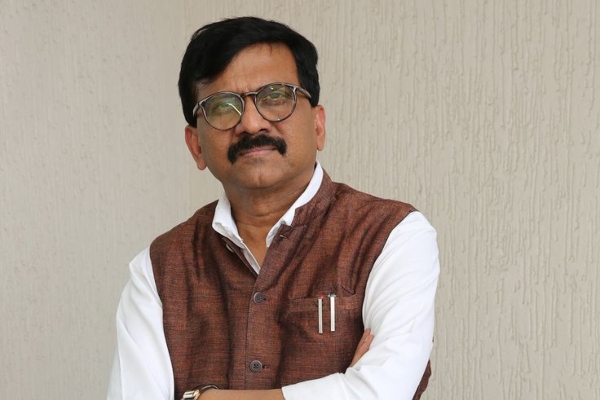
The Supreme Court's recent observations of Sanjay Raut brings this distinction into sharp focus. Facing criminal contempt proceedings over his alleged objectionable remarks and social media posts concerning Chief Justice of India Surya Kant and the judiciary, Raut appeared before the Supreme Court. The Bench reminded him that he was an experienced parliamentarian of 25 years and should understand the constraints that ought to govern his language. It also made it clear that an apology in a matter of such magnitude must come from the heart, not merely from the mind. The court sought an additional affidavit explaining his subsequent posts and directed him to appear again.
The observations deserve attention beyond the immediate contempt proceedings. Raut is not an inexperienced political activist unfamiliar with public life. He has spent decades in politics and journalism and occupies a responsible position in a political party. He should therefore understand the difference between criticising a judicial decision and making remarks that undermine the dignity of the institution itself. Courts are not beyond criticism, nor should judges be insulated from legitimate scrutiny. But criticism of the judiciary cannot be converted into a campaign to erode public confidence in the institution.
There is a fundamental difference between questioning a judgment and questioning the integrity of the institution without substantiation. The former is an essential component of democracy; the latter can become an assault on the foundations of constitutional governance. Political leaders who invoke the Constitution and demand institutional accountability must also demonstrate respect for the constitutional framework.
The controversy surrounding Rohit Pawar raises another dimension of the same problem. Following the fatal aircraft crash that killed former Deputy Chief Minister Ajit Pawar and four others, Rohit Pawar has repeatedly questioned the investigation and demanded that it be transferred to the CBI. Seeking a transparent and comprehensive investigation into a tragedy of this magnitude is entirely legitimate. The family, the public and the people of Maharashtra deserve credible answers about the circumstances of the crash.
However, Rohit Pawar has gone beyond demanding an investigation. He has accused Chief Minister Devendra Fadnavis of shielding VSR Ventures, the company that operated the aircraft, and its owner, V.K. Singh. He has cited alleged proximity between the Chief Minister and the company's owner, displayed photographs to suggest connections and questioned the government's handling of the investigation. He has also raised allegations concerning the company's financial transactions and associates.
These are serious allegations. Precisely because they are serious, they require evidence and verification rather than political amplification. A photograph of a political leader attending a social function or being present at a wedding cannot, by itself, establish complicity in wrongdoing or prove an attempt to obstruct an investigation. Political and personal associations may justify questions, but they cannot automatically become evidence of criminal conduct.
Importantly, Rohit Pawar has clarified that he is not accusing Fadnavis of involvement in the aircraft crash itself, but alleges that the Chief Minister is protecting the aircraft company's owner. That distinction must be maintained. His demand for an independent investigation should not be dismissed merely because he belongs to the Opposition. Equally, his allegations cannot be treated as established facts simply because they have been made at a press conference.
Even Supriya Sule has indicated that the party needs to examine the details of Rohit Pawar's allegations and that everyone should wait for the official inquiry report. That is a more measured approach and underlines why political parties must exercise institutional responsibility when serious accusations are made by their own leaders.
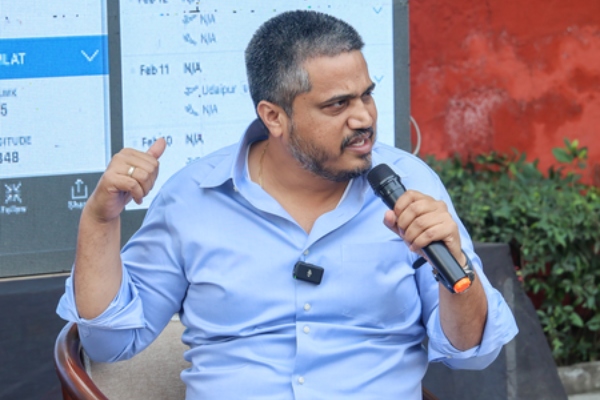
Unfortunately, this culture of reckless allegations is not confined to these two episodes. Political discourse increasingly rewards sensationalism over substance. Press conferences become platforms for dramatic revelations, social media posts are designed to provoke outrage, and allegations are circulated before they are independently established. The louder the accusation, the greater the political attention it attracts. Verification, meanwhile, becomes secondary.
The consequences are serious. Repeated allegations against constitutional authorities, investigating agencies and elected governments can create an atmosphere in which public institutions are judged not by their actual performance but by the political narratives built around them. Once public confidence is systematically weakened, even legitimate institutional decisions begin to be viewed through partisan suspicion.
This is particularly dangerous in a constitutional democracy. Institutions derive their authority not merely from legal provisions but also from public confidence in their impartiality and functioning. The judiciary must remain independent, investigating agencies must act without political interference, and governments must be answerable to citizens. But none of these objectives can be achieved by replacing due process with political theatre.
There is also a responsibility that political parties cannot escape. They must distinguish between legitimate dissent and conduct that damages the credibility of democratic institutions. A party cannot selectively invoke constitutional propriety when it suits its political interests and disregard it when its own leaders cross the line. Responsibility cannot be outsourced to individual spokespersons or legislators whenever their statements create controversy.
The Opposition's role is not to manufacture distrust but to provide credible alternatives, scrutinise governance and hold those in power accountable through facts and reasoned argument. Equally, those in government must not use accusations of irresponsibility to silence legitimate criticism. Both sides have constitutional obligations, and neither can claim an exemption.
Maharashtra has a long political tradition of vigorous debate, ideological contestation and public accountability. Its political culture deserves better than personal insinuations, sensational accusations and attacks that undermine institutional credibility. The tragedy of Ajit Pawar's death demands a thorough investigation, not a political guessing game. The Supreme Court's proceedings involving Sanjay Raut demand respect for judicial process, not a contest over who can make the most provocative remark.
Democracy is strengthened by fearless questions, but weakened by baseless accusations. Political courage lies in producing evidence, accepting scrutiny and respecting due process not in making the loudest allegation. The freedom to speak is a democratic right; the responsibility to speak with restraint and credibility is a democratic obligation. Maharashtra's political class would do well to remember the distinction.
Maharashtra's political discourse is increasingly being reduced to sensational accusations, personal attacks and a disturbing disregard for the responsibilities that accompany public office. The recent controversies involving Shiv Sena (UBT) MP Sanjay Raut and NCP (Sharadchandra Pawar) MLA Rohit Pawar are illustrative of this decline. While the circumstances surrounding the two episodes are different, they expose a common tendency in contemporary politics: the growing willingness to substitute evidence with insinuation, institutional accountability with political grandstanding, and reasoned criticism with reckless rhetoric.
Democracy certainly gives politicians the right to criticise the government, question decisions, expose wrongdoing and demand answers from those in power. An assertive Opposition is indispensable to a functioning parliamentary democracy. But criticism must have a factual foundation, allegations must be supported by evidence, and public representatives must recognise that their words carry consequences. Political freedom cannot become a convenient shield for irresponsibility.
The Supreme Court's recent observations of Sanjay Raut brings this distinction into sharp focus. Facing criminal contempt proceedings over his alleged objectionable remarks and social media posts concerning Chief Justice of India Surya Kant and the judiciary, Raut appeared before the Supreme Court. The Bench reminded him that he was an experienced parliamentarian of 25 years and should understand the constraints that ought to govern his language. It also made it clear that an apology in a matter of such magnitude must come from the heart, not merely from the mind. The court sought an additional affidavit explaining his subsequent posts and directed him to appear again.
The observations deserve attention beyond the immediate contempt proceedings. Raut is not an inexperienced political activist unfamiliar with public life. He has spent decades in politics and journalism and occupies a responsible position in a political party. He should therefore understand the difference between criticising a judicial decision and making remarks that undermine the dignity of the institution itself. Courts are not beyond criticism, nor should judges be insulated from legitimate scrutiny. But criticism of the judiciary cannot be converted into a campaign to erode public confidence in the institution.
There is a fundamental difference between questioning a judgment and questioning the integrity of the institution without substantiation. The former is an essential component of democracy; the latter can become an assault on the foundations of constitutional governance. Political leaders who invoke the Constitution and demand institutional accountability must also demonstrate respect for the constitutional framework.
The controversy surrounding Rohit Pawar raises another dimension of the same problem. Following the fatal aircraft crash that killed former Deputy Chief Minister Ajit Pawar and four others, Rohit Pawar has repeatedly questioned the investigation and demanded that it be transferred to the CBI. Seeking a transparent and comprehensive investigation into a tragedy of this magnitude is entirely legitimate. The family, the public and the people of Maharashtra deserve credible answers about the circumstances of the crash.
However, Rohit Pawar has gone beyond demanding an investigation. He has accused Chief Minister Devendra Fadnavis of shielding VSR Ventures, the company that operated the aircraft, and its owner, V.K. Singh. He has cited alleged proximity between the Chief Minister and the company's owner, displayed photographs to suggest connections and questioned the government's handling of the investigation. He has also raised allegations concerning the company's financial transactions and associates.
These are serious allegations. Precisely because they are serious, they require evidence and verification rather than political amplification. A photograph of a political leader attending a social function or being present at a wedding cannot, by itself, establish complicity in wrongdoing or prove an attempt to obstruct an investigation. Political and personal associations may justify questions, but they cannot automatically become evidence of criminal conduct.
Importantly, Rohit Pawar has clarified that he is not accusing Fadnavis of involvement in the aircraft crash itself, but alleges that the Chief Minister is protecting the aircraft company's owner. That distinction must be maintained. His demand for an independent investigation should not be dismissed merely because he belongs to the Opposition. Equally, his allegations cannot be treated as established facts simply because they have been made at a press conference.
Even Supriya Sule has indicated that the party needs to examine the details of Rohit Pawar's allegations and that everyone should wait for the official inquiry report. That is a more measured approach and underlines why political parties must exercise institutional responsibility when serious accusations are made by their own leaders.
The issue, therefore, is not whether the Opposition should question the government. It must. The issue is whether political leaders are prepared to distinguish between evidence-based scrutiny and speculative allegations. If there is evidence of wrongdoing, it must be placed before the investigating authorities. If the investigation is inadequate, the deficiencies must be identified and challenged through appropriate legal and institutional channels. Demanding accountability is legitimate; pronouncing guilt through political insinuation is not.
Unfortunately, this culture of reckless allegations is not confined to these two episodes. Political discourse increasingly rewards sensationalism over substance. Press conferences become platforms for dramatic revelations, social media posts are designed to provoke outrage, and allegations are circulated before they are independently established. The louder the accusation, the greater the political attention it attracts. Verification, meanwhile, becomes secondary.
The consequences are serious. Repeated allegations against constitutional authorities, investigating agencies and elected governments can create an atmosphere in which public institutions are judged not by their actual performance but by the political narratives built around them. Once public confidence is systematically weakened, even legitimate institutional decisions begin to be viewed through partisan suspicion.
This is particularly dangerous in a constitutional democracy. Institutions derive their authority not merely from legal provisions but also from public confidence in their impartiality and functioning. The judiciary must remain independent, investigating agencies must act without political interference, and governments must be answerable to citizens. But none of these objectives can be achieved by replacing due process with political theatre.
There is also a responsibility that political parties cannot escape. They must distinguish between legitimate dissent and conduct that damages the credibility of democratic institutions. A party cannot selectively invoke constitutional propriety when it suits its political interests and disregard it when its own leaders cross the line. Responsibility cannot be outsourced to individual spokespersons or legislators whenever their statements create controversy.
The Opposition's role is not to manufacture distrust but to provide credible alternatives, scrutinise governance and hold those in power accountable through facts and reasoned argument. Equally, those in government must not use accusations of irresponsibility to silence legitimate criticism. Both sides have constitutional obligations, and neither can claim an exemption.
Maharashtra has a long political tradition of vigorous debate, ideological contestation and public accountability. Its political culture deserves better than personal insinuations, sensational accusations and attacks that undermine institutional credibility. The tragedy of Ajit Pawar's death demands a thorough investigation, not a political guessing game. The Supreme Court's proceedings involving Sanjay Raut demand respect for judicial process, not a contest over who can make the most provocative remark.
Democracy is strengthened by fearless questions, but weakened by baseless accusations. Political courage lies in producing evidence, accepting scrutiny and respecting due process not in making the loudest allegation. The freedom to speak is a democratic right; the responsibility to speak with restraint and credibility is a democratic obligation. Maharashtra's political class would do well to remember the distinction.
Maharashtra's political discourse is increasingly being reduced to sensational accusations, personal attacks and a disturbing disregard for the responsibilities that accompany public office. The recent controversies involving Shiv Sena (UBT) MP Sanjay Raut and NCP (Sharadchandra Pawar) MLA Rohit Pawar are illustrative of this decline. While the circumstances surrounding the two episodes are different, they expose a common tendency in contemporary politics: the growing willingness to substitute evidence with insinuation, institutional accountability with political grandstanding, and reasoned criticism with reckless rhetoric.