West Bengal: Hindu Assertion Challenge the Politics of Victimhood
Hindus have the same constitutional right to preserve their religious identity
NewsBharati 18-Nov-2026 12:11:58 PM
Total Views |


Religious freedom cannot become a shield for missionary activities beyond constitutional limits, nor can every assertion of Hindu rights be branded as majoritarian aggression.
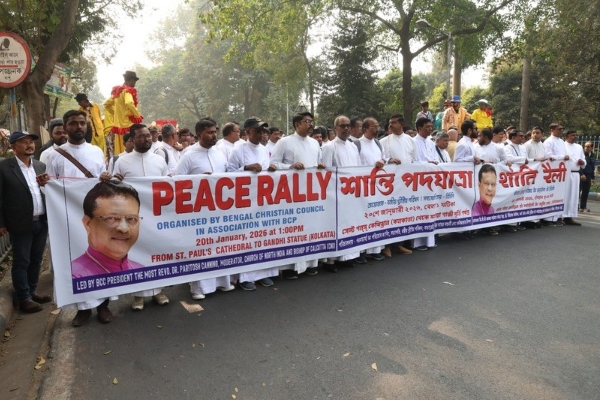
The latest controversy involving Christian organisations must be understood against this larger background. Christian representatives have taken to the streets, organised prayer rallies and accused the new government of presiding over an atmosphere of insecurity. The Bangiya Christiya Pariseba claims that 48 incidents targeting Christians have occurred since the BJP assumed office, while the Evangelical Fellowship of India has documented 32 incidents between May and October. These are claims compiled by the respective organisations, not independently established findings in every case. Nevertheless, they demand an examination. What also demands examination is the other side of the story, which the public discourse surrounding this controversy has largely neglected.
Why should the assertion of Hindu religious rights become controversial? Why should Hindu organisations be expected to remain silent when they suspect that economically vulnerable families are being targeted for religious conversion? Why should questions about missionary activities in tribal and rural communities be treated as an attack on Christianity itself?
Hindus have the same constitutional right to preserve their religious identity, protect their traditions and resist coercive or fraudulent conversion as any other religious community. The right to propagate religion under Article 25 does not confer an unrestricted licence to employ force, fraud or unlawful inducements. The constitutional freedom of one individual cannot be converted into an instrument for undermining the freedom of another.
There is a distinction between voluntary religious conversion and conversion through coercion, deception or unlawful inducement. That distinction must be respected. If missionary organisations are functioning within constitutional limits, they have nothing to fear from scrutiny. But if particular individuals or institutions are violating the law, their religious affiliation cannot provide immunity.
The Christian leadership's response raises another question. Is every challenge to missionary activity necessarily an attack on Christianity? Is every demand for accountability an expression of religious intolerance? And does the loss of an earlier political environment of accommodation automatically translate into persecution?
The Christian organisations have presented the recent incidents as evidence of a systematic campaign against their community. The BJP leadership, on the other hand, has raised allegations of conversion activities in missionary institutions and tribal areas. These competing claims require investigation. The Christian leadership cannot expect its allegations to be accepted without scrutiny, just as political allegations against missionary institutions cannot be treated as established facts without evidence.
There is a danger in converting every administrative intervention or demand for accountability into a narrative of minority persecution. Such a narrative can delegitimize legitimate Hindu grievances and place an unfair burden on Hindu organisations exercising their democratic rights.
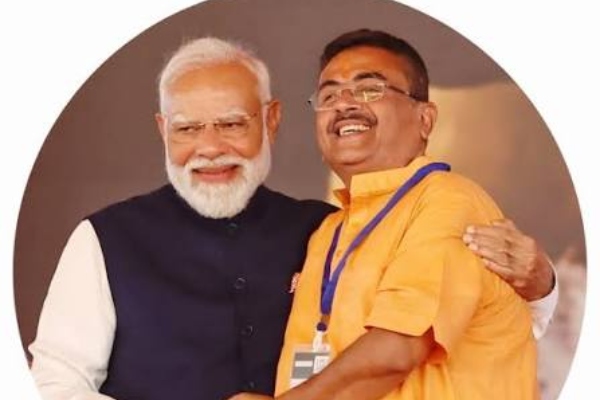
Chief Minister Suvendu Adhikari has said that allegations of conversion in missionary schools will be verified and action taken if written complaints and evidence establish wrongdoing. This is the appropriate approach. Institutions found violating the law must face consequences, irrespective of their religious affiliation. Equally, those attacking peaceful Christian worshippers, vandalising churches or intimidating families must face the law.
The government should investigate complaints of unlawful conversions, examine allegations concerning missionary schools, protect the religious and cultural rights of tribal communities and ensure that Hindu religious expression is not discriminated against in educational institutions. It must also ensure that no one is permitted to disrupt peaceful Christian worship.
This is not a demand for preferential treatment. It is a demand for equality before the law.
For too long, the assertion of Hindu identity has frequently been viewed through the prism of political suspicion. Hindu organisations raising concerns about conversions are readily described as intolerant, while missionary activities are often defended in the language of humanitarian service and religious freedom. Such selective scrutiny cannot sustain a genuinely secular constitutional order.
Hindu society has every right to question, protest, organise and seek legal remedies. It has every right to protect its cultural inheritance and ensure that vulnerable sections are not exploited in the name of religion. These rights do not become illegitimate merely because a different political party is in power.
West Bengal's new political circumstances have brought these unresolved questions into sharper focus. Christian organisations must understand that the end of an earlier political dispensation does not mean the end of their constitutional freedoms. Equally, Hindu organisations must be free to raise legitimate concerns without being branded collectively as aggressors.
The test of the new government will be its willingness to enforce the law without fear or favour. But the test of public discourse is equally important: will Hindu concerns finally be heard on their merits, rather than dismissed through familiar accusations of majoritarianism?
Hindu assertion is not persecution. Demanding accountability is not intolerance. And constitutional equality cannot mean that one community enjoys the freedom to raise grievances while another is expected to remain silent.
West Bengal must understand that the political climate has changed, and Hindu society is no longer obliged to remain silent to accommodate the sensitivities of those who enjoyed political patronage for years. Religious freedom is a constitutional guarantee, not a licence for unchecked missionary activity. The right to question, resist and expose unlawful conversions belongs to Hindus as much as the right to practise Christianity belongs to Christians. Those who equate Hindu assertion with persecution are attempting to turn accountability into victimhood. The era of selective secularism must end. Hindu rights are not negotiable, and constitutional equality cannot mean Hindu silence.
For decades, the politics of West Bengal operated within a particular framework of minority appeasement, political accommodation and electoral calculations. The 15-year Trinamool Congress regime under Mamata Banerjee cultivated a political environment in which questions of minority identity and religious sensitivities occupied considerable political space. Hindu organisations, meanwhile, frequently complained that their concerns about religious conversions, cultural identity and the preservation of Hindu traditions did not receive comparable attention.
The change of government in May 2026 has altered this political equation. The BJP government led by Suvendu Adhikari is now facing questions that earlier administrations were not always compelled to confront with the same intensity.
The latest controversy involving Christian organisations must be understood against this larger background. Christian representatives have taken to the streets, organised prayer rallies and accused the new government of presiding over an atmosphere of insecurity. The Bangiya Christiya Pariseba claims that 48 incidents targeting Christians have occurred since the BJP assumed office, while the Evangelical Fellowship of India has documented 32 incidents between May and October. These are claims compiled by the respective organisations, not independently established findings in every case. Nevertheless, they demand an examination. What also demands examination is the other side of the story, which the public discourse surrounding this controversy has largely neglected.
Why should the assertion of Hindu religious rights become controversial? Why should Hindu organisations be expected to remain silent when they suspect that economically vulnerable families are being targeted for religious conversion? Why should questions about missionary activities in tribal and rural communities be treated as an attack on Christianity itself?
Hindus have the same constitutional right to preserve their religious identity, protect their traditions and resist coercive or fraudulent conversion as any other religious community. The right to propagate religion under Article 25 does not confer an unrestricted licence to employ force, fraud or unlawful inducements. The constitutional freedom of one individual cannot be converted into an instrument for undermining the freedom of another.
There is a distinction between voluntary religious conversion and conversion through coercion, deception or unlawful inducement. That distinction must be respected. If missionary organisations are functioning within constitutional limits, they have nothing to fear from scrutiny. But if particular individuals or institutions are violating the law, their religious affiliation cannot provide immunity.
The Christian leadership's response raises another question. Is every challenge to missionary activity necessarily an attack on Christianity? Is every demand for accountability an expression of religious intolerance? And does the loss of an earlier political environment of accommodation automatically translate into persecution?
The Christian organisations have presented the recent incidents as evidence of a systematic campaign against their community. The BJP leadership, on the other hand, has raised allegations of conversion activities in missionary institutions and tribal areas. These competing claims require investigation. The Christian leadership cannot expect its allegations to be accepted without scrutiny, just as political allegations against missionary institutions cannot be treated as established facts without evidence.
There is a danger in converting every administrative intervention or demand for accountability into a narrative of minority persecution. Such a narrative can delegitimize legitimate Hindu grievances and place an unfair burden on Hindu organisations exercising their democratic rights.
The Christian community is entitled to religious freedom and protection against violence. But it cannot claim a special exemption from questions concerning its institutional activities. Nor can the entire Hindu community be made answerable for the unlawful conduct of particular individuals or organisations.
The BJP government must recognise that its mandate does not merely involve a change of political leadership. It also involves addressing long standing grievances and ensuring that the administration does not operate through selective sensitivity towards particular communities.
Chief Minister Suvendu Adhikari has said that allegations of conversion in missionary schools will be verified and action taken if written complaints and evidence establish wrongdoing. This is the appropriate approach. Institutions found violating the law must face consequences, irrespective of their religious affiliation. Equally, those attacking peaceful Christian worshippers, vandalising churches or intimidating families must face the law.
The government should investigate complaints of unlawful conversions, examine allegations concerning missionary schools, protect the religious and cultural rights of tribal communities and ensure that Hindu religious expression is not discriminated against in educational institutions. It must also ensure that no one is permitted to disrupt peaceful Christian worship.
This is not a demand for preferential treatment. It is a demand for equality before the law.
For too long, the assertion of Hindu identity has frequently been viewed through the prism of political suspicion. Hindu organisations raising concerns about conversions are readily described as intolerant, while missionary activities are often defended in the language of humanitarian service and religious freedom. Such selective scrutiny cannot sustain a genuinely secular constitutional order.
Hindu society has every right to question, protest, organise and seek legal remedies. It has every right to protect its cultural inheritance and ensure that vulnerable sections are not exploited in the name of religion. These rights do not become illegitimate merely because a different political party is in power.
West Bengal's new political circumstances have brought these unresolved questions into sharper focus. Christian organisations must understand that the end of an earlier political dispensation does not mean the end of their constitutional freedoms. Equally, Hindu organisations must be free to raise legitimate concerns without being branded collectively as aggressors.
The test of the new government will be its willingness to enforce the law without fear or favour. But the test of public discourse is equally important: will Hindu concerns finally be heard on their merits, rather than dismissed through familiar accusations of majoritarianism?
Hindu assertion is not persecution. Demanding accountability is not intolerance. And constitutional equality cannot mean that one community enjoys the freedom to raise grievances while another is expected to remain silent.
West Bengal must understand that the political climate has changed, and Hindu society is no longer obliged to remain silent to accommodate the sensitivities of those who enjoyed political patronage for years. Religious freedom is a constitutional guarantee, not a licence for unchecked missionary activity. The right to question, resist and expose unlawful conversions belongs to Hindus as much as the right to practise Christianity belongs to Christians. Those who equate Hindu assertion with persecution are attempting to turn accountability into victimhood. The era of selective secularism must end. Hindu rights are not negotiable, and constitutional equality cannot mean Hindu silence.

Editor's Desk
Editor's Desk