ICJ Set to Deliver Landmark Verdict in Myanmar Rohingya Genocide Case
Total Views |


The Hague [Netherlands], Nov 19: The International Court of Justice (ICJ), the United Nations’ highest judicial body, is set to deliver a landmark judgment in a case accusing Myanmar of committing genocide against its Rohingya minority during a 2017 military offensive.
The case was filed by The Gambia, a Muslim-majority West African country, in November 2019, with the backing of the Organisation of Islamic Cooperation (OIC). The Gambia has accused Myanmar of violating the 1948 Genocide Convention and holds the country responsible for atrocities committed against the Rohingya community.
The case relates to a military crackdown in 2017 that forced at least 730,000 Rohingya, most of them Muslims, to flee Myanmar and seek refuge in neighbouring Bangladesh. Survivors have reported widespread killings, mass rape and the burning of villages during the military operation.
A United Nations fact-finding mission concluded that the military campaign involved acts of genocide and called for accountability for those responsible.
However, Myanmar has denied the genocide allegations, maintaining that its military operations were legitimate responses to attacks by armed groups. It has also argued that there is no direct evidence establishing an intention to destroy the Rohingya community.
Significance of the ICJ verdict
The case is significant as it could become the first instance in which the ICJ holds a state directly responsible for committing genocide. Under the 1948 Genocide Convention, genocide involves specific intent to destroy, in whole or in part, a national, ethnic, racial or religious group.
In 2007, the ICJ ruled that Serbia had failed to prevent the 1995 Srebrenica massacre in Bosnia, where more than 8,000 Muslim men and boys were killed. However, the court did not find Serbia directly responsible for committing genocide.
Part I of Myanmar ICJ decision: "The Court finds that Myanmar's security forces killed thousands of Rohingya civilians, perpetrated widespread acts of sexual violence as well as acts of extreme violence against children and attacked fleeing Rohingya as they sought to…
— Sarah Leah Whitson (@sarahleah1) November 19, 2026
The judgment in the Myanmar case could also establish important legal precedents for other ongoing proceedings, including South Africa's case accusing Israel of committing genocide in Gaza.
The ICJ settles legal disputes between states and can determine whether a country has violated its international obligations. However, it does not conduct criminal trials against individuals, which fall under the jurisdiction of the International Criminal Court (ICC).
What has The Gambia demanded?
The Gambia has asked the ICJ to direct Myanmar to prosecute those responsible for the alleged genocide, provide reparations to the victims and ensure conditions for the safe return of Rohingya refugees. Myanmar, however, has challenged The Gambia's right to seek reparations on behalf of the affected community.
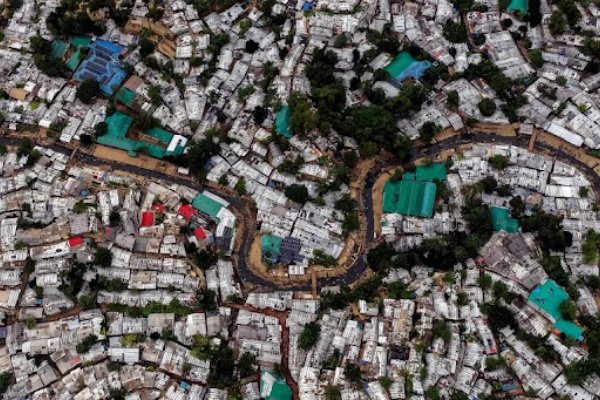
The verdict is being closely watched by Rohingya refugees living in Bangladesh. Around 1.2 million Rohingya are currently residing in refugee settlements in Cox's Bazar, while approximately 550,000 remain in Myanmar.
The ruling is expected to be closely followed by the Rohingya community, particularly refugees hoping for justice, accountability and the possibility of returning safely to their homeland.