Islam's Rise: The Democratic Dilemma
The Future of World Religions: Population Growth Projections, 2020–2070, released on November 18, 2026, projects that Islam will overtake
NewsBharati 20-Nov-2026 12:23:24 PM
Total Views |


The latest demographic projections by the Pew Research Center deserve attention far beyond the statistical exercise of counting religious populations. They point towards a significant transformation in the religious composition of the world, with implications for politics, governance, social institutions and the future of democratic societies. The question is not merely which religion will have the largest number of followers. It is also how societies will negotiate the relationship between religious authority, individual liberty, constitutional government and modern civilisation.
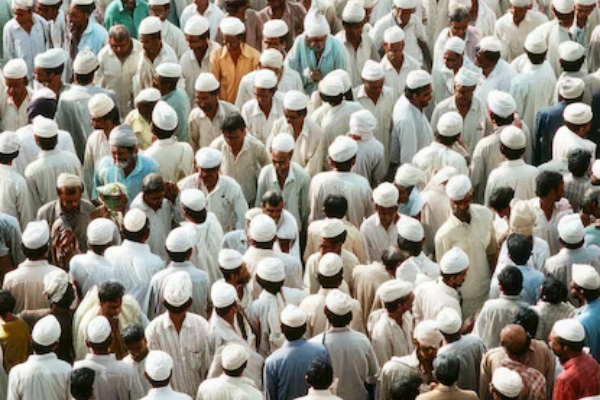
The numbers are striking. The global Muslim population, estimated at approximately 2.02 billion in 2020, is projected to reach 2.57 billion by 2035, marginally exceeding the Christian population of approximately 2.52 billion. By 2070, Muslims could number more than 3.6 billion, constituting approximately 36 per cent of the world's population. Christianity, meanwhile, is projected to account for approximately 29 per cent.
The report identifies two principal drivers - higher fertility and a younger population. Muslim women had an average fertility rate of 3.1 children during 2020–2025, compared with 2.5 among Christian women and 1.6 among women belonging to other religious groups. The relatively young Muslim population also means that a larger proportion is entering reproductive age.
Geographically, the transformation will be equally significant. Sub-Saharan Africa is projected to become an increasingly important centre of the Muslim population, while the Asia-Pacific region will continue to account for approximately half of the world's Muslims by 2070. Pakistan is projected to replace Indonesia as the country with the largest Muslim population. India will remain another major centre of Muslim population growth.
An important finding is that this expansion is overwhelmingly demographic, rather than the result of religious conversions. Pew projects an 80 per cent increase in the Muslim population between 2020 and 2070, against an 11 per cent increase in the non-Muslim population.
These are projections based on the continuation of existing trends, not certainties. Nevertheless, the scale and direction of the change demand serious examination. Demography is never merely a matter of numbers. Over time, it influences the social composition of nations, political representation, public institutions and the character of public debate.
Modern democracy rests on certain fundamental principles: sovereignty belongs to the people; citizens are equal before the law; governments derive legitimacy from constitutional procedures; and individual freedoms cannot be subordinated to the arbitrary authority of religious institutions. These principles require a clear distinction between Islamic beliefs and the coercive power of the state.
Political Islam, particularly its theocratic interpretations, raises a fundamental challenge to this arrangement. Where political movements demand that legislation, judicial authority and public administration conform to an unchallengeable religious code, the question arises: who ultimately governs the electorate and its Constitution, or religious authorities claiming divine sanction?
History provides numerous examples of the political consequences of this conflict. The establishment of the Islamic Republic of Iran in 1979 placed religious authority at the centre of the state. The Taliban's rule in Afghanistan has demonstrated how an extremist interpretation of religious law can subordinate education, employment, personal freedom and women's public participation to religious decrees. These are not simply differences in cultural practices; they concern the foundations of political and legal authority.
Sharia is not interpreted identically across Muslim societies, and Muslims themselves hold diverse positions on its relationship with state law. Nevertheless, where a rigid, state-enforced interpretation is treated as superior to constitutional legislation, the possibility of democratic accountability becomes severely restricted.
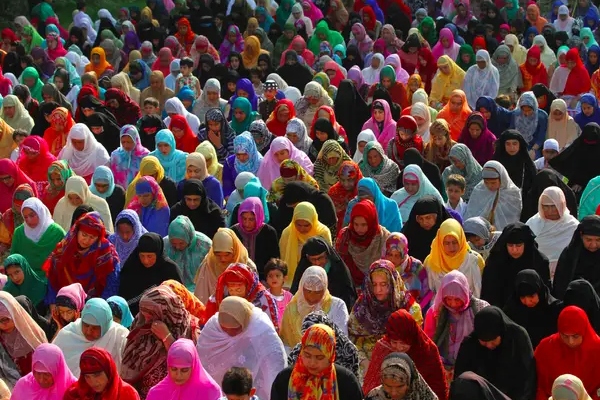
The question of women's rights makes this conflict particularly visible. In Afghanistan under Taliban rule, girls have been denied access to secondary and higher education, while women face sweeping restrictions on employment and public life. Such policies illustrate what happens when a restrictive religious interpretation is converted into state coercion. Equality, freedom of choice and equal citizenship become conditional rather than universal rights.
The danger, therefore, lies not in the numerical growth of believers but in the expansion of political doctrines that seek to replace constitutional sovereignty with religious supremacy. Religious freedom must be protected, but it cannot become a justification for denying equal freedom to others.
For India, the Pew projections have particular significance. India is home to one of the world's largest Muslim populations and will remain a major centre of global religious demography. Its constitutional framework, however, is founded on equal citizenship, fundamental rights, parliamentary democracy and the rule of law.
India's experience also demonstrates why demographic questions must be approached through reliable data rather than slogans. Differences in fertility, age structure, education, economic opportunity and regional development need to be examined through successive Census exercises. Population growth should not automatically be interpreted as political mobilisation or ideological expansion.
At the same time, India cannot afford indifference towards movements that seek to undermine constitutional principles through religious absolutism. The right to practise and propagate religion is protected by the Constitution, but so are equality, personal liberty, freedom of expression and the rights of women. No religious authority can claim exemption from these constitutional guarantees.
India must also recognise that secularism does not mean surrendering public institutions to religious pressure. It means protecting every citizen's freedom of belief while ensuring that the state remains governed by constitutional law rather than religious command.
The larger lesson of the Pew report is that the twenty-first century will witness substantial demographic changes, and democratic societies must prepare to address their consequences. The answer is neither hostility towards a religious community nor complacency towards political movements that challenge constitutional government.
Numbers alone do not determine the future of civilization. Ideas, institutions and the values that societies defend do. India's responsibility is to ensure that demographic change never becomes a pretext for weakening constitutional democracy, gender equality or individual freedom. The Constitution, not religious supremacy, must remain the final authority in a modern democratic republic.
Pew Research Center's report, The Future of World Religions: Population Growth Projections, 2020–2070, released on November 18, 2026, projects that Islam will overtake Christianity as the world's largest religion by 2035. This is considerably earlier than the crossover anticipated in some earlier projections.
The numbers are striking. The global Muslim population, estimated at approximately 2.02 billion in 2020, is projected to reach 2.57 billion by 2035, marginally exceeding the Christian population of approximately 2.52 billion. By 2070, Muslims could number more than 3.6 billion, constituting approximately 36 per cent of the world's population. Christianity, meanwhile, is projected to account for approximately 29 per cent.
The report identifies two principal drivers - higher fertility and a younger population. Muslim women had an average fertility rate of 3.1 children during 2020–2025, compared with 2.5 among Christian women and 1.6 among women belonging to other religious groups. The relatively young Muslim population also means that a larger proportion is entering reproductive age.
Geographically, the transformation will be equally significant. Sub-Saharan Africa is projected to become an increasingly important centre of the Muslim population, while the Asia-Pacific region will continue to account for approximately half of the world's Muslims by 2070. Pakistan is projected to replace Indonesia as the country with the largest Muslim population. India will remain another major centre of Muslim population growth.
An important finding is that this expansion is overwhelmingly demographic, rather than the result of religious conversions. Pew projects an 80 per cent increase in the Muslim population between 2020 and 2070, against an 11 per cent increase in the non-Muslim population.
These are projections based on the continuation of existing trends, not certainties. Nevertheless, the scale and direction of the change demand serious examination. Demography is never merely a matter of numbers. Over time, it influences the social composition of nations, political representation, public institutions and the character of public debate.
The central question is what happens when Islamic ideology seeks not merely to guide personal conduct but to determine the laws, institutions and political authority of a state.
Political Islam, particularly its theocratic interpretations, raises a fundamental challenge to this arrangement. Where political movements demand that legislation, judicial authority and public administration conform to an unchallengeable religious code, the question arises: who ultimately governs the electorate and its Constitution, or religious authorities claiming divine sanction?
History provides numerous examples of the political consequences of this conflict. The establishment of the Islamic Republic of Iran in 1979 placed religious authority at the centre of the state. The Taliban's rule in Afghanistan has demonstrated how an extremist interpretation of religious law can subordinate education, employment, personal freedom and women's public participation to religious decrees. These are not simply differences in cultural practices; they concern the foundations of political and legal authority.
Sharia is not interpreted identically across Muslim societies, and Muslims themselves hold diverse positions on its relationship with state law. Nevertheless, where a rigid, state-enforced interpretation is treated as superior to constitutional legislation, the possibility of democratic accountability becomes severely restricted.
A modern democratic legislature must be able to debate, amend and repeal laws. A legal system in which an unelected religious authority possesses the final power to invalidate legislation on theological grounds creates a serious constitutional problem. A study published in Political Research Quarterly in 2021 found that the constitutional entrenchment of Islamic law as a source of legislation had a negative and statistically significant association with democracy. The distinction is important - the study did not establish that Muslim identity itself was incompatible with democracy; it examined the institutional consequences of constitutionalising religious law.
The question of women's rights makes this conflict particularly visible. In Afghanistan under Taliban rule, girls have been denied access to secondary and higher education, while women face sweeping restrictions on employment and public life. Such policies illustrate what happens when a restrictive religious interpretation is converted into state coercion. Equality, freedom of choice and equal citizenship become conditional rather than universal rights.
The danger, therefore, lies not in the numerical growth of believers but in the expansion of political doctrines that seek to replace constitutional sovereignty with religious supremacy. Religious freedom must be protected, but it cannot become a justification for denying equal freedom to others.
For India, the Pew projections have particular significance. India is home to one of the world's largest Muslim populations and will remain a major centre of global religious demography. Its constitutional framework, however, is founded on equal citizenship, fundamental rights, parliamentary democracy and the rule of law.
India's experience also demonstrates why demographic questions must be approached through reliable data rather than slogans. Differences in fertility, age structure, education, economic opportunity and regional development need to be examined through successive Census exercises. Population growth should not automatically be interpreted as political mobilisation or ideological expansion.
At the same time, India cannot afford indifference towards movements that seek to undermine constitutional principles through religious absolutism. The right to practise and propagate religion is protected by the Constitution, but so are equality, personal liberty, freedom of expression and the rights of women. No religious authority can claim exemption from these constitutional guarantees.
India must also recognise that secularism does not mean surrendering public institutions to religious pressure. It means protecting every citizen's freedom of belief while ensuring that the state remains governed by constitutional law rather than religious command.
The larger lesson of the Pew report is that the twenty-first century will witness substantial demographic changes, and democratic societies must prepare to address their consequences. The answer is neither hostility towards a religious community nor complacency towards political movements that challenge constitutional government.
Numbers alone do not determine the future of civilization. Ideas, institutions and the values that societies defend do. India's responsibility is to ensure that demographic change never becomes a pretext for weakening constitutional democracy, gender equality or individual freedom. The Constitution, not religious supremacy, must remain the final authority in a modern democratic republic.

Editor's Desk
Editor's Desk