SC Grants Medical Bail To Godhra Train Burning Convict Irfan Siraj Pado
Irfan Siraj Pada was among 31 people convicted by a special SIT court in 2011. He was convicted for the burning of the S-6 coach of the Sabarmati Express near Godhra railway station on 27 February 2002.
Total Views |


In a painful blow to the Hindu community and the families of victims of 2002 Godhra train burning case, the Supreme Court on Monday, November 23, suspended the life sentence of Irfan Siraj Pada one of the main convict.The order, passed by a Bench of Justices M.M. Sundresh and P.B. Varale.
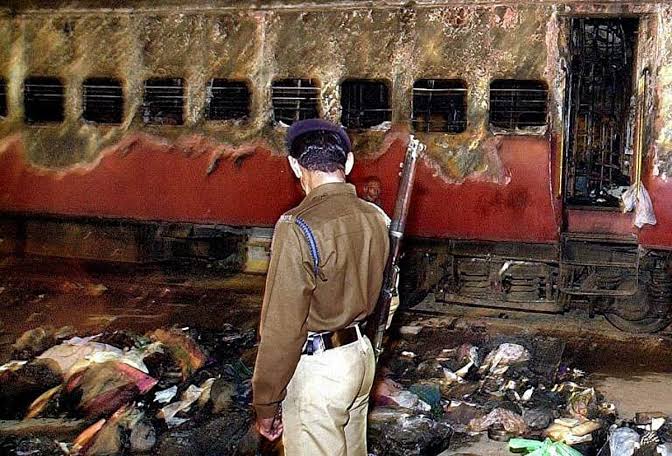
Irfan Siraj Pada was among 31 people convicted by a special SIT court in 2011. He was convicted for the burning of the S-6 coach of the Sabarmati Express near Godhra railway station on 27 February 2002. It was noted that Irfan was 19 years old when he was convicted of the crime. As per the information he was involved in instigating the mob.
As per the report, the accused was found guilty underSection-235(2) of the Criminal Procedure Code, for the offences punishable under Sections - 143, 147, 148, 302, 307, 323, 324, 325, 326, 332, 395, 397, 435, 186 and 188 read with 120-B, 149, 153-A, of the I.P. Code, Sections- 141, 150, 151 and 152 of the Indian Railways Act, Sections-3 and 4 of the Prevention of Damages to Public Property Act, and Section-135(1) of the Bombay Police Act.
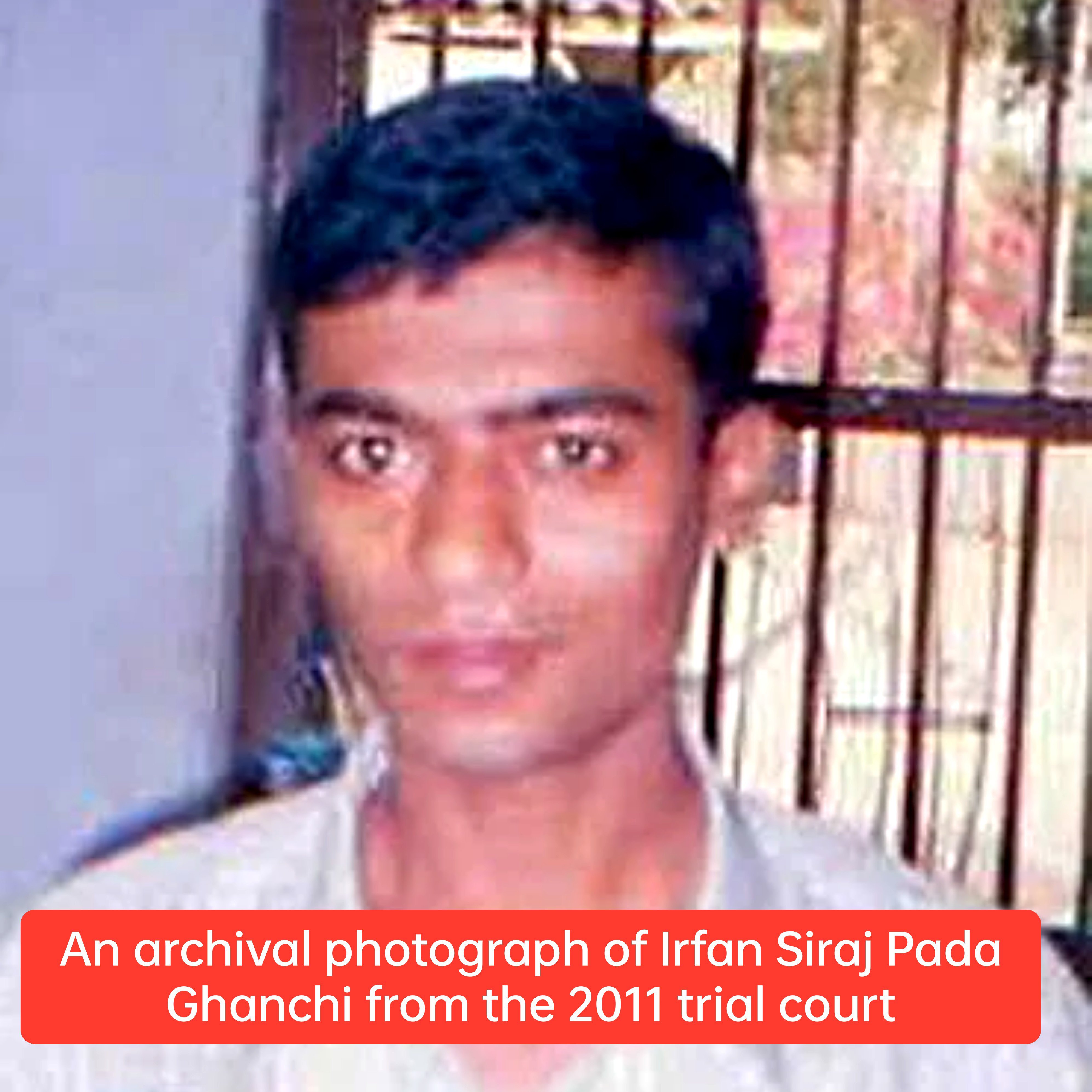
The convict had approached the apex court seeking suspension of his sentence and release on bail during the pendency of his criminal appeal against conviction.
In March 2011, a trial court convicted 31 people in the case, sentencing 11 of them to death and 20 others to life imprisonment, while acquitting 63 accused. In October 2017, the Gujarat High Court upheld the conviction of all 31 accused but commuted the death sentences of the 11 convicts to life imprisonment.
Earlier, the Supreme Court had granted bail to eight convicts in April 2023 while rejecting the pleas of four others.
In August 2023, the apex court had dismissed the bail applications of three other convicts, observing that the trial court had attributed specific roles to them, including stone pelting and robbery of gold ornaments.
On Monday, the Supreme Court took note of Pada’s serious cardiovascular condition and his long years in custody. “Primarily, the application has been filed on medical grounds,” the Bench observed. “In view of the aforementioned factual scenario, we are inclined to grant suspension of sentence to the petitioner on medical grounds”. The Gujarat government, represented by Advocate Swati Ghildiyal, stated that while the case was “very serious,” it had no objection to the suspension of sentence on medical grounds. Pada’s appeal against his conviction remains pending; the relief is temporary and does not amount to an acquittal.
Twenty-four years on, justice in India still moves at a crawl and when it finally stumbles, victims pay the price. Call it medical grounds. Call it eighteen years behind bars. To the families of Coach S-6, a suspended sentence for a mass-murder convict isn't humanitarian law, it’s salt rubbed into an open wound.
While the court cited his health condition and over 17 years of incarceration, the decision has caused immense hurt among Hindus and the families of the 59 pilgrims who were burned alive. For the victims' kin, any leniency shown to those held responsible for the tragedy diminishes their sense of closure and feels like a painful setback in their decades-long pursuit of accountability.
Irfan Siraj Pada was among 31 people convicted by a special SIT court in 2011. He was convicted for the burning of the S-6 coach of the Sabarmati Express near Godhra railway station on 27 February 2002. It was noted that Irfan was 19 years old when he was convicted of the crime. As per the information he was involved in instigating the mob.
As per the report, the accused was found guilty underSection-235(2) of the Criminal Procedure Code, for the offences punishable under Sections - 143, 147, 148, 302, 307, 323, 324, 325, 326, 332, 395, 397, 435, 186 and 188 read with 120-B, 149, 153-A, of the I.P. Code, Sections- 141, 150, 151 and 152 of the Indian Railways Act, Sections-3 and 4 of the Prevention of Damages to Public Property Act, and Section-135(1) of the Bombay Police Act.
The convict had approached the apex court seeking suspension of his sentence and release on bail during the pendency of his criminal appeal against conviction.
In March 2011, a trial court convicted 31 people in the case, sentencing 11 of them to death and 20 others to life imprisonment, while acquitting 63 accused. In October 2017, the Gujarat High Court upheld the conviction of all 31 accused but commuted the death sentences of the 11 convicts to life imprisonment.
The convicts subsequently filed criminal appeals challenging their conviction, while the Gujarat government also approached the Supreme Court challenging the commutation of the death sentences to life imprisonment.
🚨SHOCKING: The Supreme Court has granted a suspension of sentence to life convict in Godhra train burning case.
— Right Wing Wire (@RightWingWire26) November 23, 2026
Hindu sentiments have become a joke in this country 💔 pic.twitter.com/sf8LZJE0sq
Earlier, the Supreme Court had granted bail to eight convicts in April 2023 while rejecting the pleas of four others.
In August 2023, the apex court had dismissed the bail applications of three other convicts, observing that the trial court had attributed specific roles to them, including stone pelting and robbery of gold ornaments.
On Monday, the Supreme Court took note of Pada’s serious cardiovascular condition and his long years in custody. “Primarily, the application has been filed on medical grounds,” the Bench observed. “In view of the aforementioned factual scenario, we are inclined to grant suspension of sentence to the petitioner on medical grounds”. The Gujarat government, represented by Advocate Swati Ghildiyal, stated that while the case was “very serious,” it had no objection to the suspension of sentence on medical grounds. Pada’s appeal against his conviction remains pending; the relief is temporary and does not amount to an acquittal.
Twenty-four years on, justice in India still moves at a crawl and when it finally stumbles, victims pay the price. Call it medical grounds. Call it eighteen years behind bars. To the families of Coach S-6, a suspended sentence for a mass-murder convict isn't humanitarian law, it’s salt rubbed into an open wound.