In Pics: From Amritsar’s Golden Temple and Varanasi’s Ghats to Madurai’s Karthigai Deepam, India Lights Up Under Kartik Purnima
nder November 24"s Kartik Purnima full moon, India celebrated Dev Deepawali, Gurpurab, Tulsi Vivah, Karthigai Deepam, and Kartik Swami Temple"s opening—uniting diverse faiths in light.
Total Views |


In a breathtaking display of cultural unity, India witnessed a rare and auspicious convergence on November 24, as three distinct and deeply significant festivals were celebrated across the nation. Dev Deepawali, Tulsi Vivah, the annual opening of the Kartik Swami Temple and Guru Nanak Jayanti each celebration carried its own significance, rituals and stories. Yet, under the full moon of Kartik Purnima, they created a beautiful picture of India's diversity.
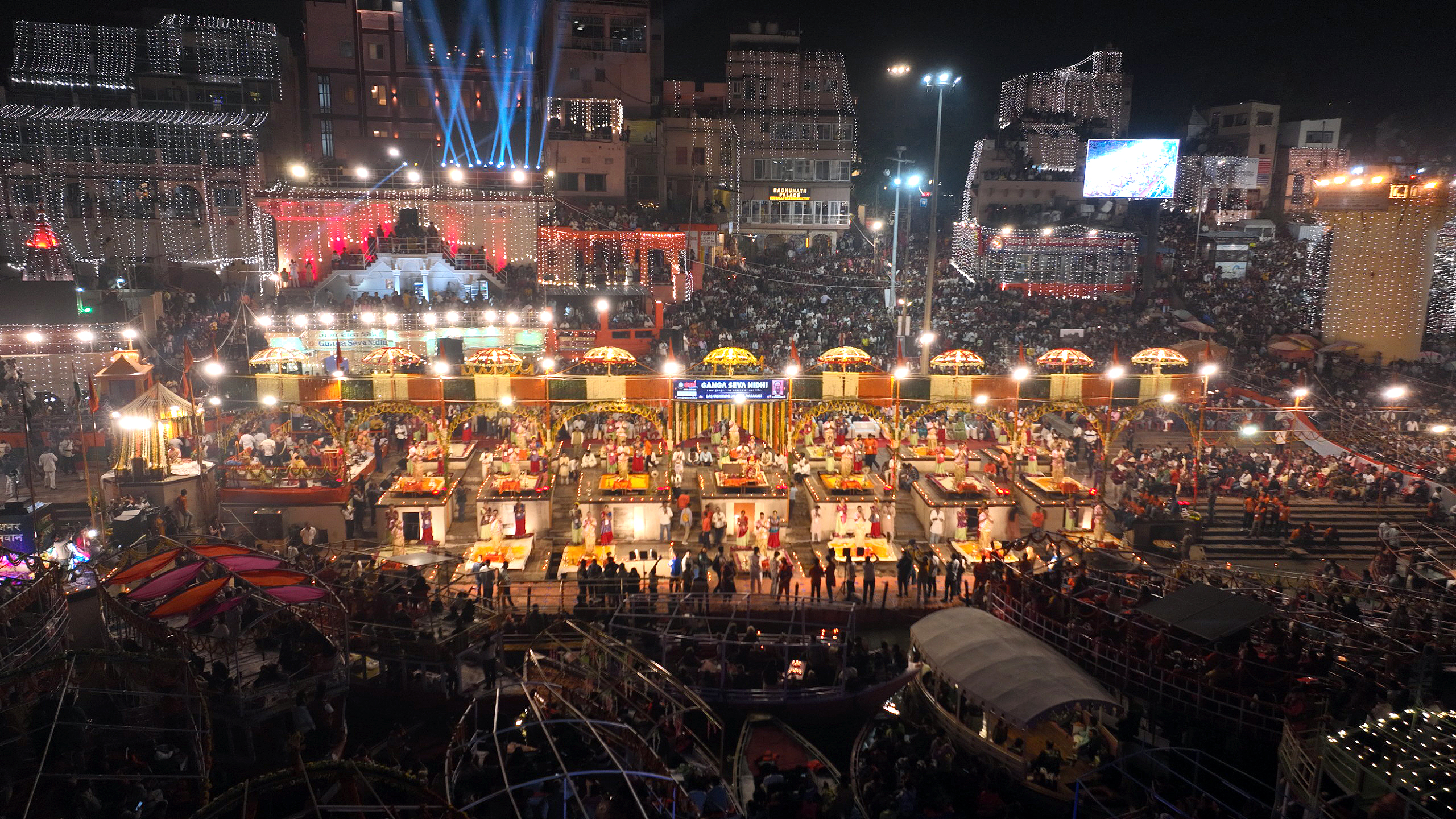
While devotees lit thousands of diyas along riverbanks, others gathered for prayers, celebrated sacred traditions or visited places of worship. Different communities marked the day in their own ways, speaking different languages and following different customs, but sharing the same spirit of devotion, celebration and togetherness.
This is what makes India's festive calendar so remarkable. Its traditions may differ from one region to another, but they are woven together by centuries of faith, history and cultural exchange. One full moon, multiple celebrations, and a country united in its diversity.
Dev Deepawali: When the Ghats Turn to Gold
Fifteen days after Diwali, the gods are said to descend to earth to celebrate. Nowhere is this felt more strongly than in Varanasi, where the stepped ghats along the Ganga are lit with lakhs of earthen lamps. The river glows, the evening Ganga Aarti echoes across the water, and boats carry people to see the lit-up riverfront.
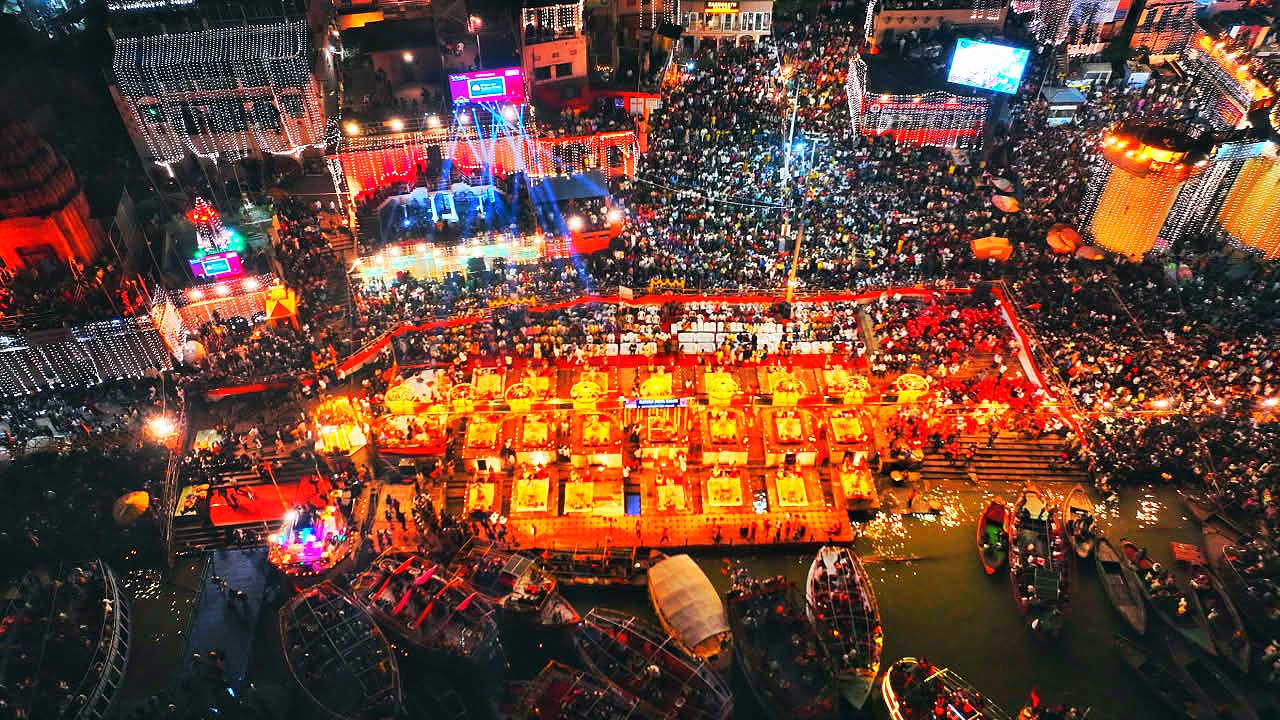
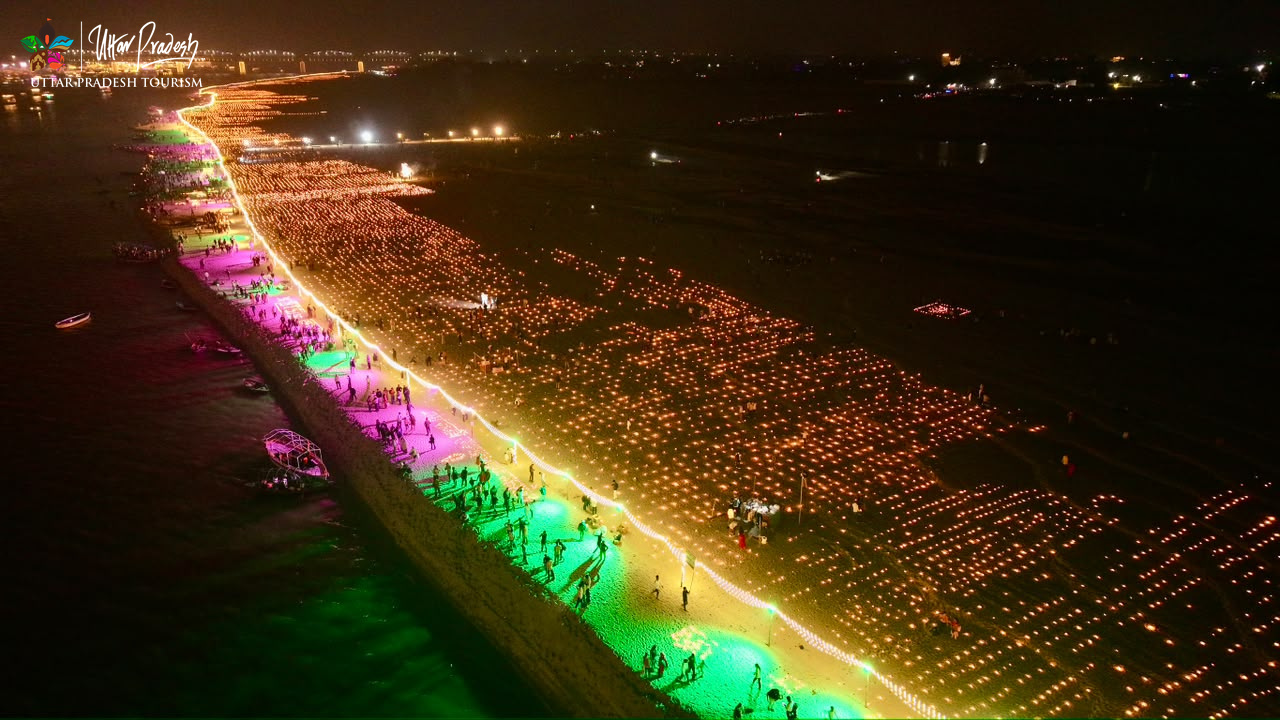
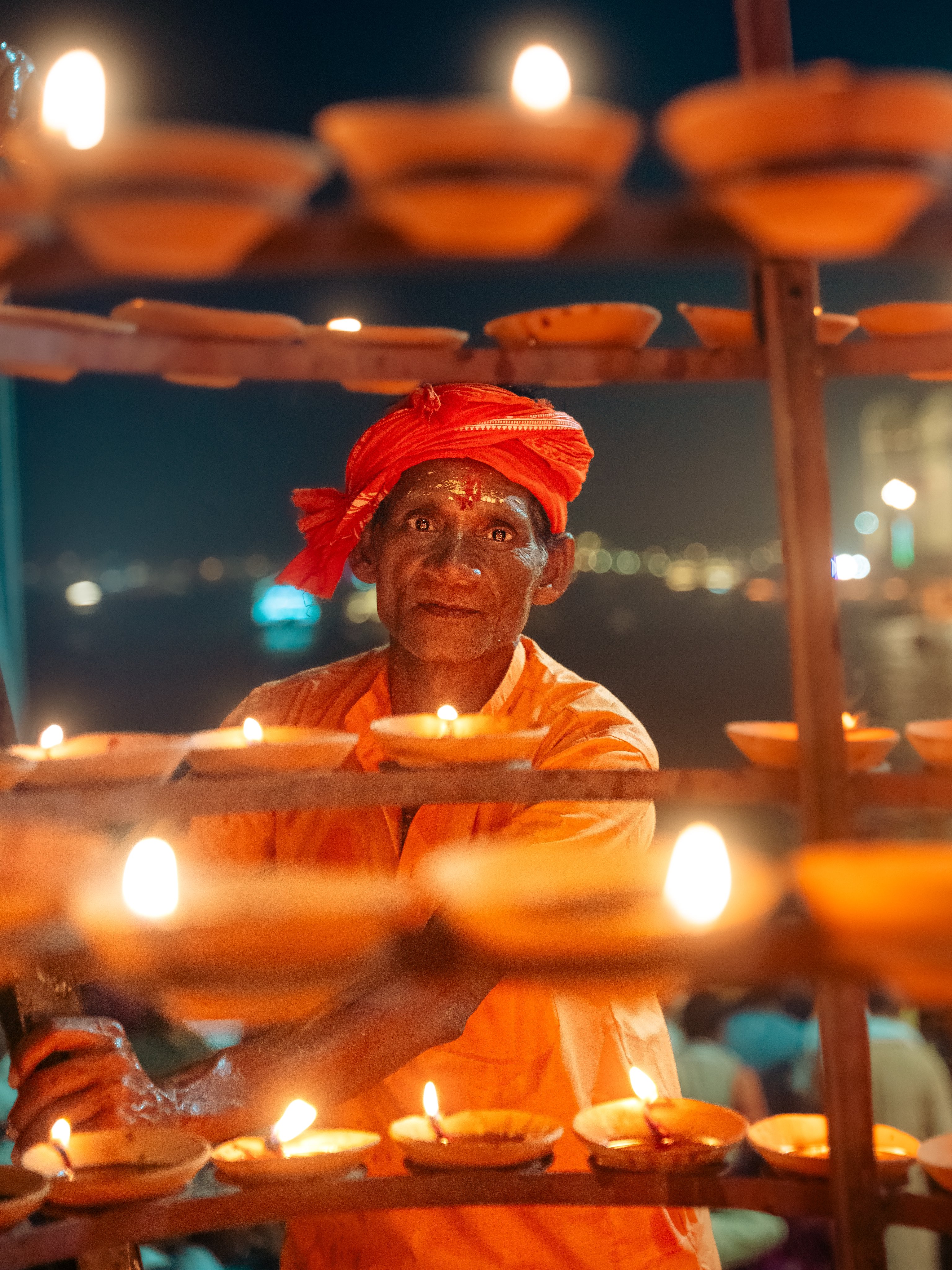
The celebration is not limited to Varanasi. In Uttar Pradesh and many other states, temples and riverbanks were illuminated with diyas, and families gathered to take a holy dip and offer lamps to the river.
Gurpurab: The Prakash Utsav of Guru Nanak Dev Ji
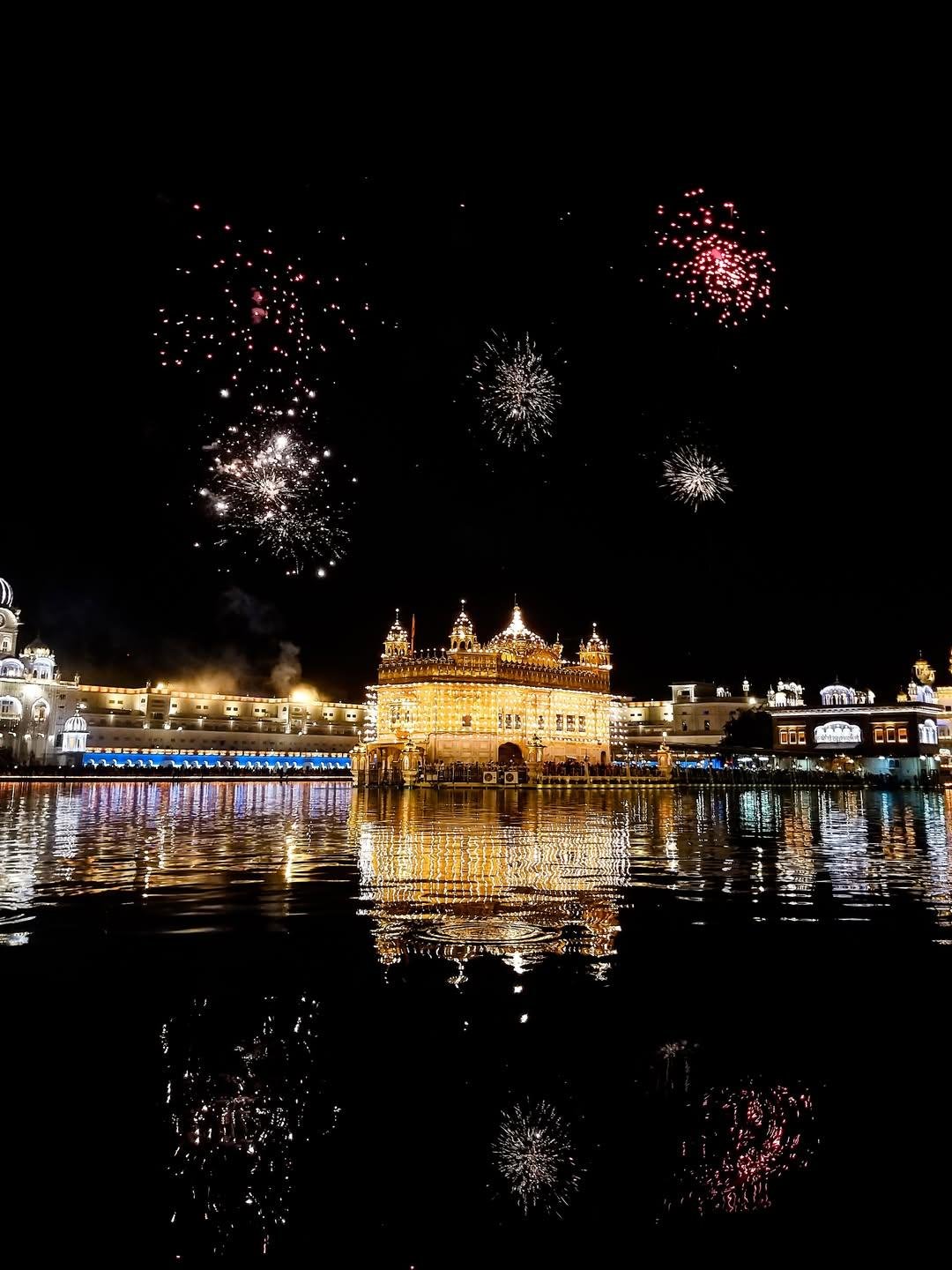
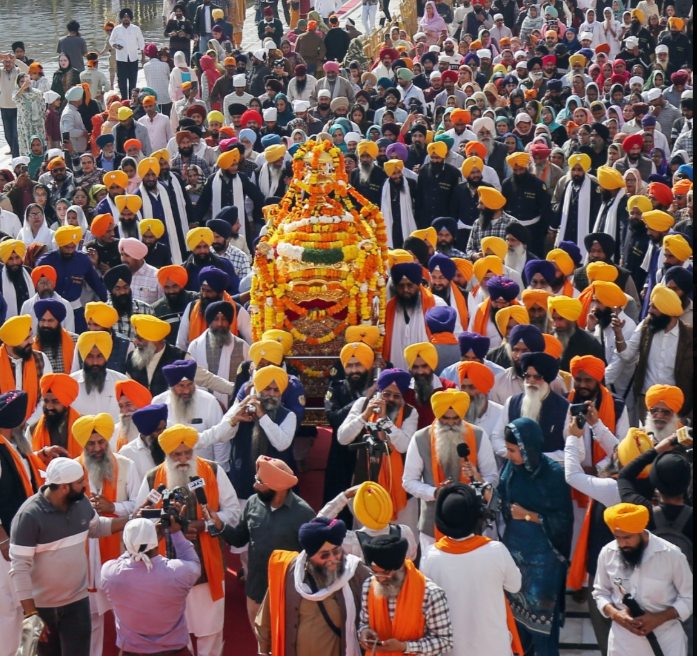
Further enriching the cultural mosaic, the Sikh community celebrated Gurpurab, the birth anniversary of Guru Nanak Dev Ji, the founder of Sikhism. Also known as Prakash Purab, the day began with Prabhat Pheris (early morning processions) and continued with the recitation of the Guru Granth Sahib in Gurdwaras. The atmosphere was filled with Kirtan (devotional hymns) and Katha (sermons).
Tulsi Vivah: The Celestial Wedding
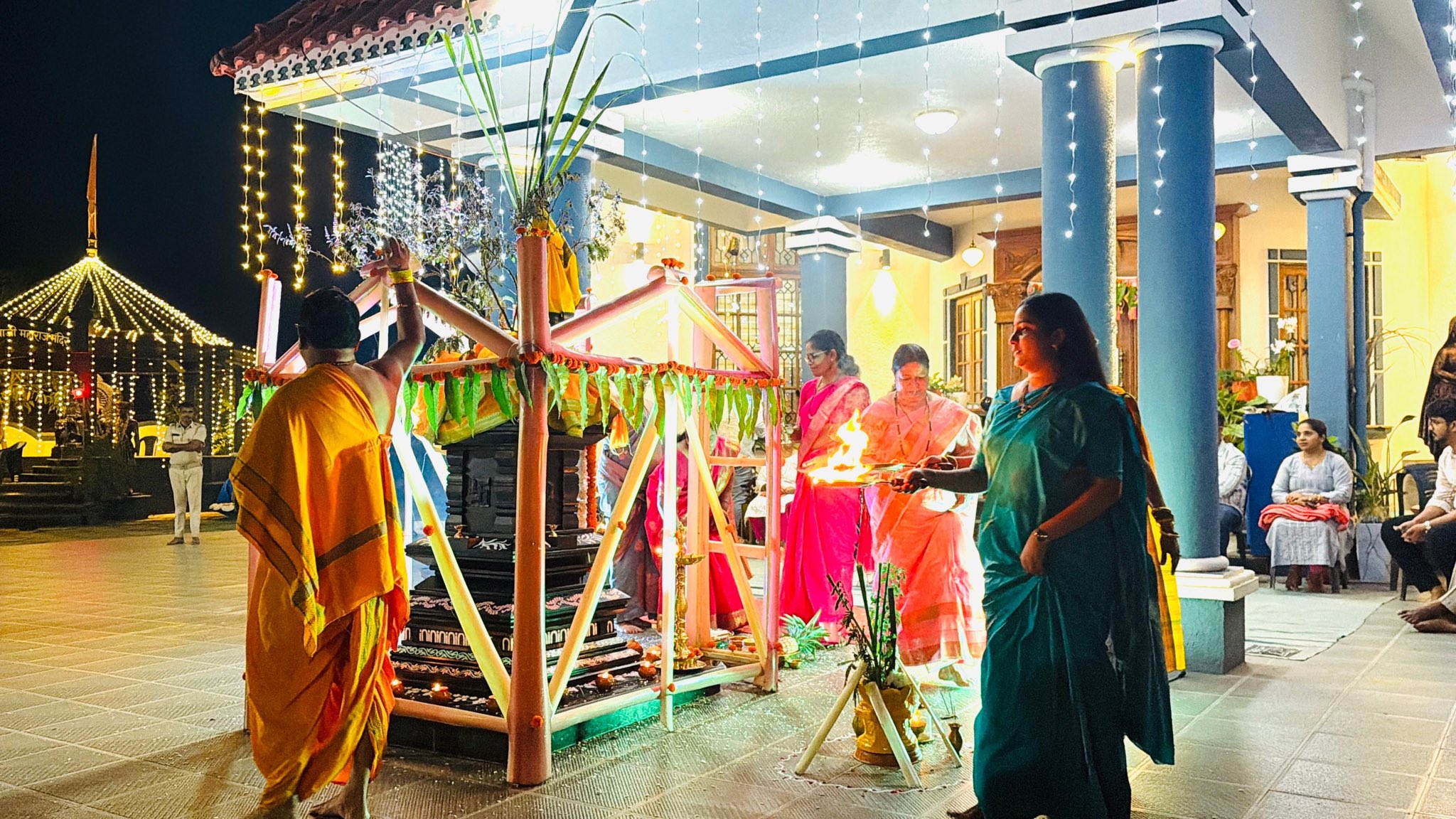
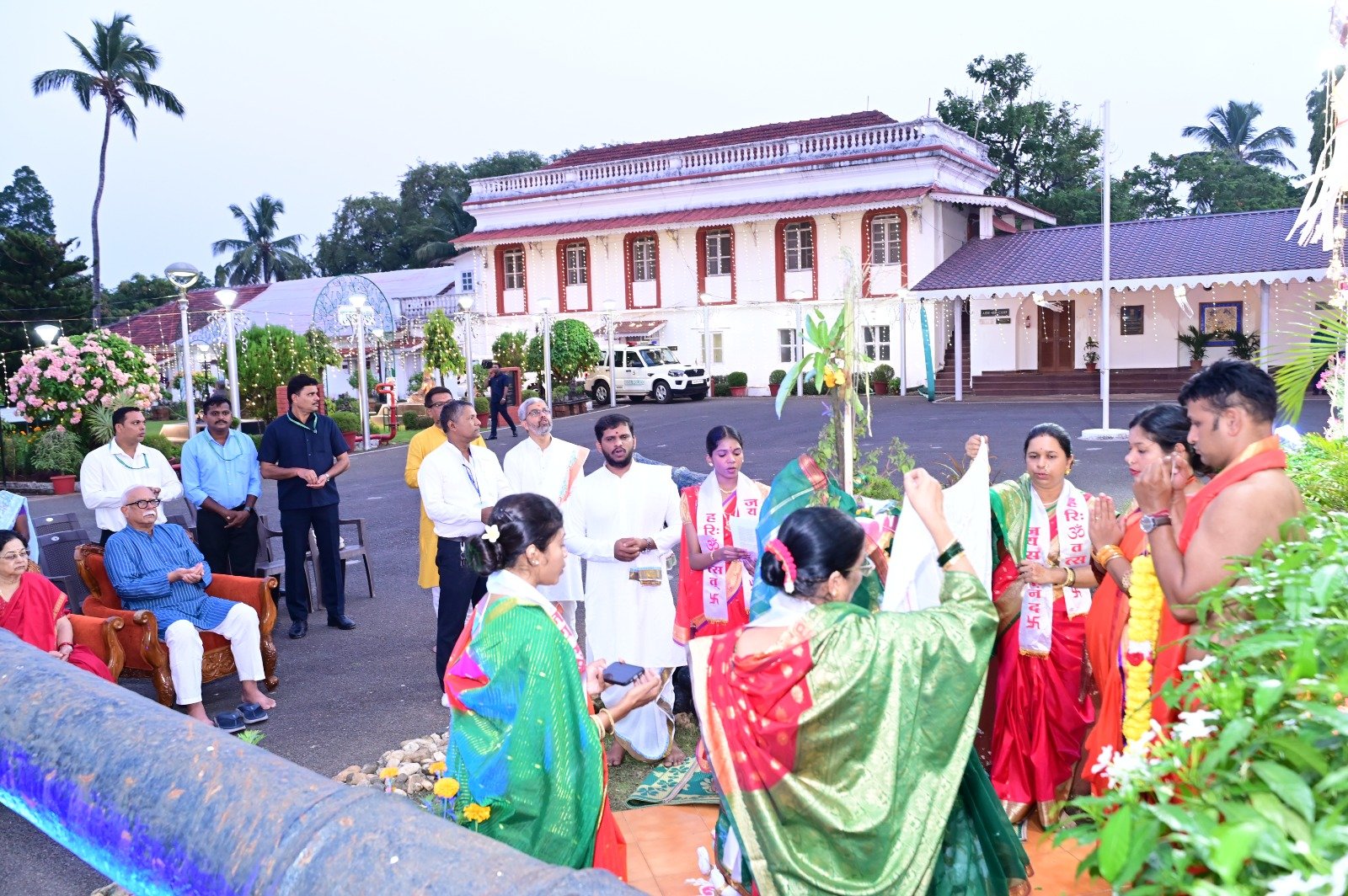
The day also marked the auspicious occasion of Tulsi Vivah, the ceremonial marriage of the holy basil plant (Tulsi) to Lord Vishnu (often represented by the Shaligram stone or an idol of Krishna). Symbolizing the end of the monsoon and the beginning of the Hindu wedding season, the ritual was performed in homes and temples with great devotion. Homes were decorated, and the Tulsi plant was adorned as a bride, complete with a saree, jewelry, and a marriage canopy, celebrating the divine union and seeking marital bliss.
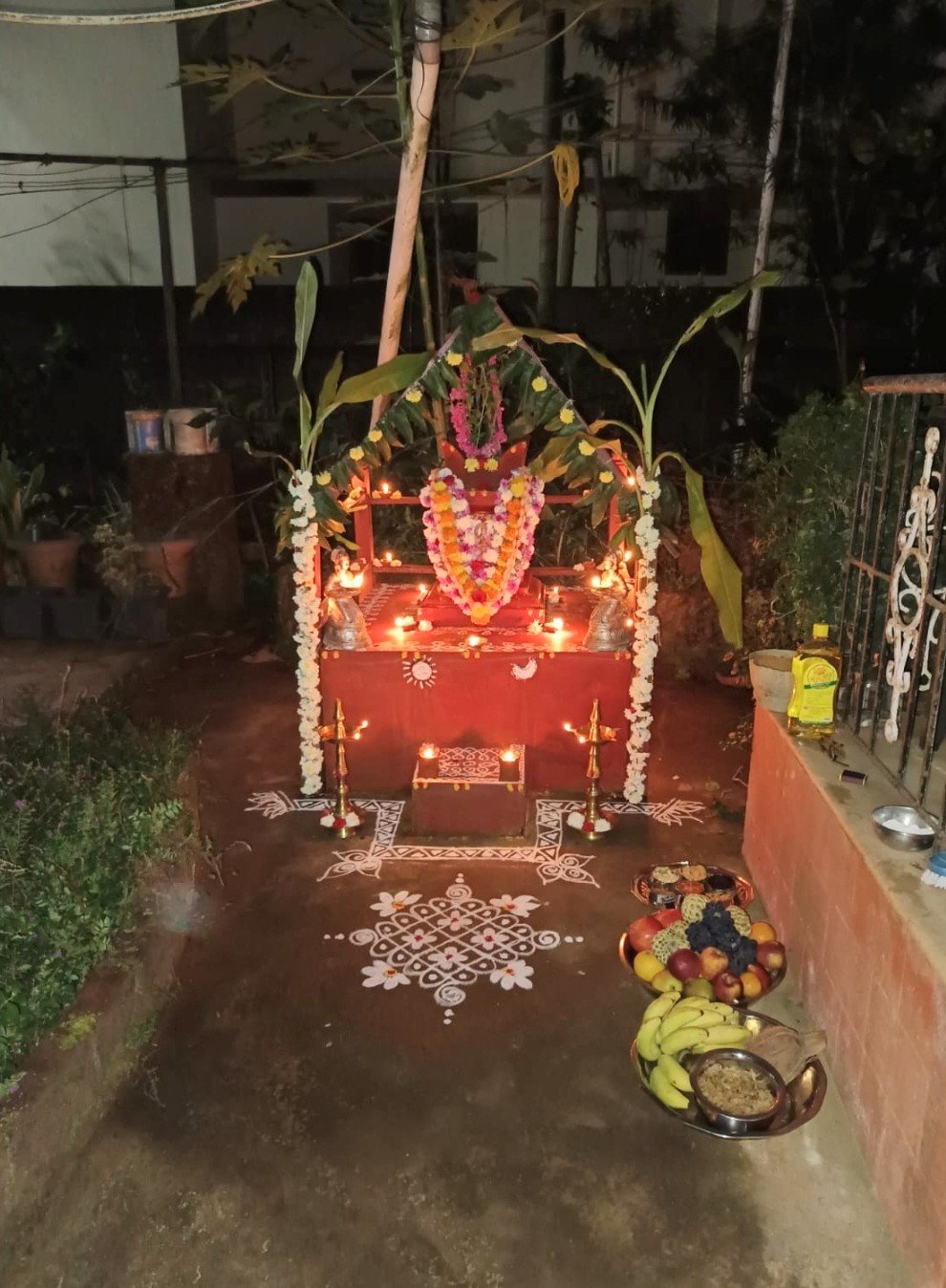
Kartik Purnima and the Opening of the Kartik Swami Temple
Kartik Purnima itself is a day of immense spiritual significance for Hindus, marking the culmination of the holy month of Kartik. Devotees across the country took a sacred dip in holy rivers like the Ganges, Yamuna, and Narmada at Brahma Muhurat (early morning) to cleanse their souls and seek blessings.
Adding to the day's sanctity was the rare opening of the Kartik Swami Temple in places like Pushkar, Rajasthan, and other locations. Dedicated to Lord Kartikeya, the elder son of Lord Shiva, these temples generally remain closed throughout the year, opening their doors to devotees only on this auspicious full moon day.
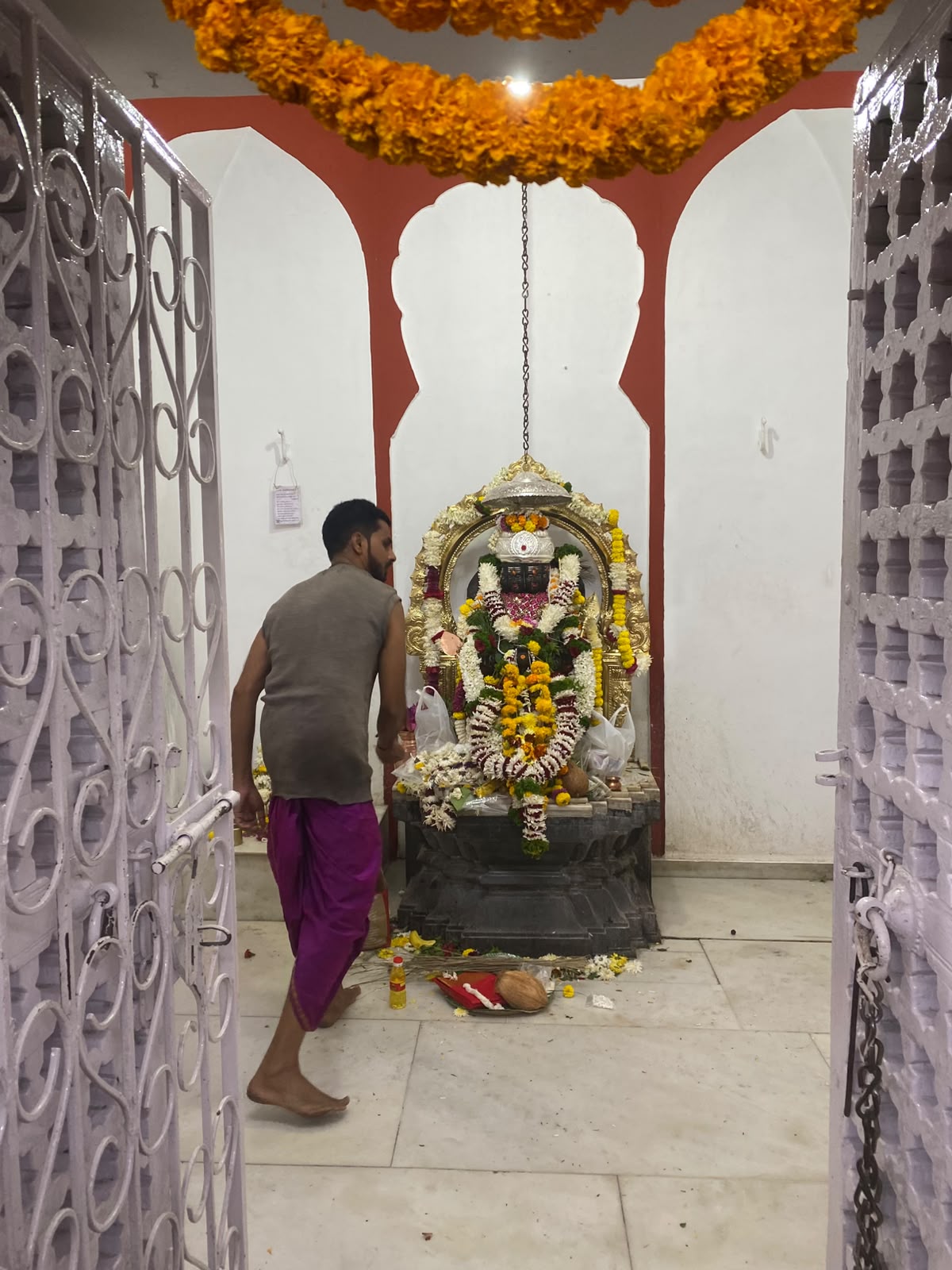
Karthigai Deepam: The Sacred Beacon on Thirupparankundram Hill
Down south in Tamil Nadu, the full moon of the Tamil month of Karthigai illuminated the night with Karthigai Deepam.. In Madurai, devotees marked the occasion on Tuesday (November 24) as the ceremonial lamp was lit at its customary spot at the Ucchi Pillayar Temple amid heavy security deployment, even as the sacred Deepathoon atop Thirupparankundram hill.
The Kartika Deepa Utsava brings a special spiritual atmosphere, inspired by the celebrations at Tiruvannamalai.
With the beautiful Hanuman and Arkeshwara temples atop the hill and stunning views of Bengaluru's skyline, it's a sight to experience.
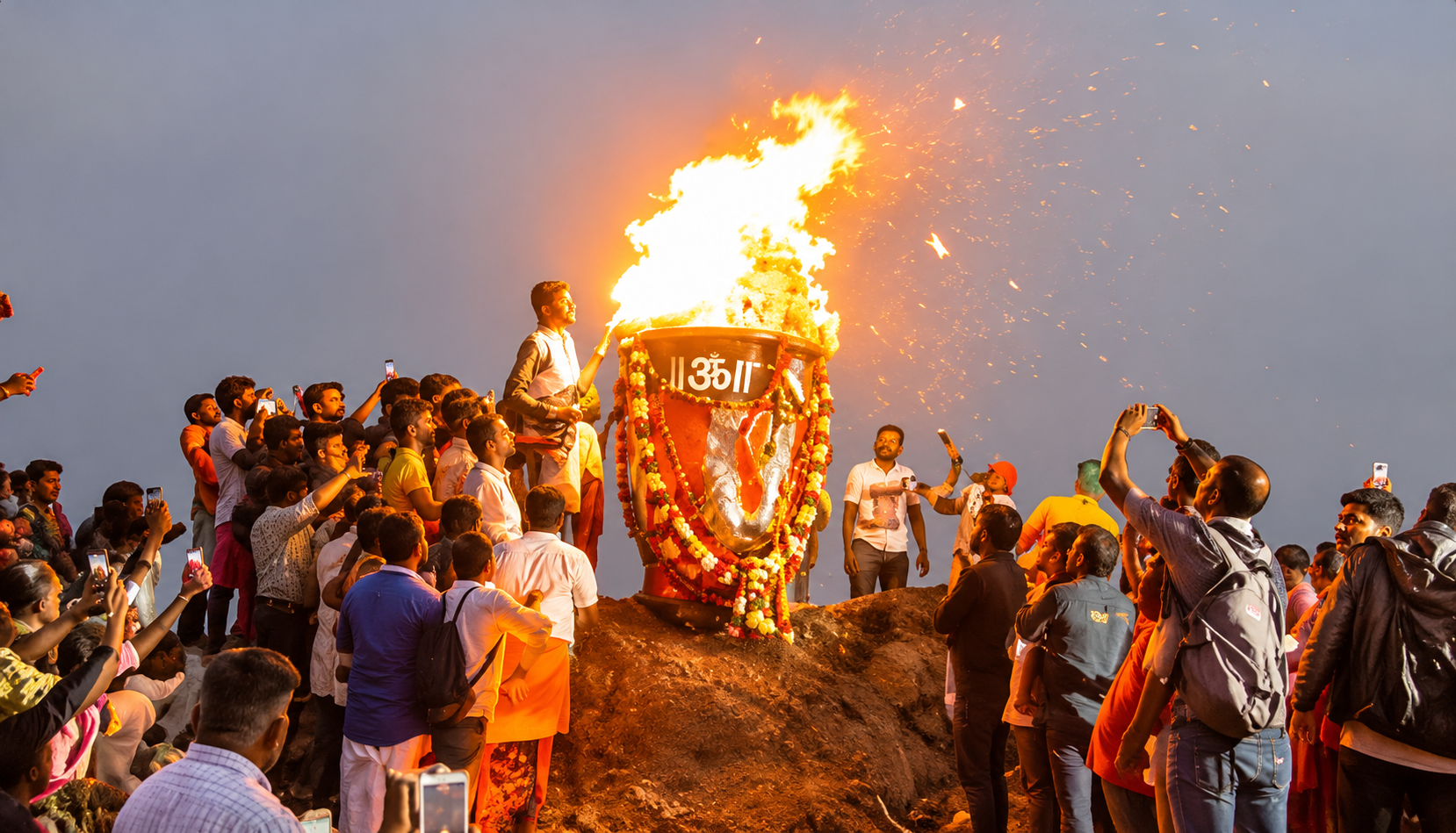
Symboll of victory over the darkness
The convergence of these festivals on a single day serves as a powerful reminder of India's pluralistic ethos. From the quiet domesticity of Tulsi Vivah to the public spectacle of Dev Deepawali, the personal devotion at the Kartik Swami Temple, and the universal message of equality in Gurpurab, each celebration, though unique, is woven into the same spiritual fabric. It is a beautiful demonstration of how different traditions and faiths coexist, creating a vibrant and harmonious cultural landscape.