Bombay HC's Stern Warning to Political Adventurists
The Bench told him to go to the United States and participate in protests there.
NewsBharati 03-Nov-2026 14:33:59 PM
Total Views |


The Bombay High Court has delivered a much-needed slap on the wrist to those who mistake India's generosity, constitutional freedoms and legal framework for an opportunity to interfere in the country's political affairs. Its sharp observations in the case involving actor Imran Khan, a US citizen holding an Overseas Citizen of India (OCI) card, should serve as a warning to all those who misuse their privileged status, exploit legal provisions and presume that celebrity, glamour or social-media popularity can confer political rights they do not possess. The message is unmistakable: India cannot be taken for granted.
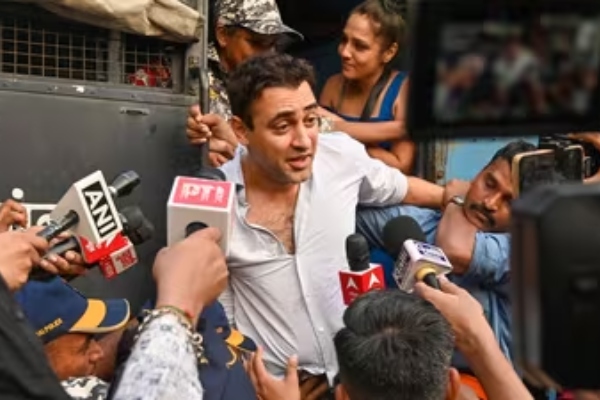
The oral observations were particularly hard-hitting. The Bench told him to go to the United States and participate in protests there. It questioned his entitlement to criticise India while enjoying the privileges of residing here. It also remarked that if an Indian citizen participated in a similar protest in another country, that person could face deportation. These were not casual remarks. They reflected the court's concern about the growing tendency to blur the distinction between citizenship and overseas citizenship, particularly when political activism is involved.
This distinction needs to be understood without ambiguity. OCI status is a facility extended by India to people of Indian origin. It provides important privileges, including long-term residence and certain economic and professional rights. But it does not confer Indian citizenship, voting rights or the unrestricted political privileges enjoyed by citizens. An OCI cardholder cannot claim the rights of an Indian citizen selectively, depending on convenience. One cannot enjoy the privileges of association with India while assuming that the country's political institutions are open to intervention on equal terms with citizens.
The issue becomes more significant when viewed against the political context of the protest. The agitation concerned the Election Commission and the revision of electoral rolls, an exercise falling within India's constitutional and institutional framework. The Election Commission is a constitutional authority. Its decisions can be questioned through legitimate democratic and legal processes. Indian citizens have every right to express their views within the constitutional framework. But that does not mean that every foreign national residing in India can presume an equivalent political standing. The court was justified in questioning the logic of an OCI cardholder joining an agitation over an electoral exercise that did not have affected him.
There is also a larger question of political accountability. Those who participate in political campaigns, publicly challenge constitutional authorities and attempt to influence public opinion must understand the nature of their status and the limits attached to it. Political activism is not a glamorous performance. Nor is it an extension of celebrity culture. An Instagram following, media visibility and public recognition cannot substitute for citizenship or confer constitutional authority. The law does not recognise a special category of political privilege for actors, influencers or celebrities.

India has extended considerable privileges to people of Indian origin living abroad. This reflects its civilisational outlook and its desire to maintain close connections with the global Indian community. But generosity should not be confused with helplessness. The country has its own constitutional order, sovereign institutions and legal boundaries. Those who enjoy the benefits of OCI status are expected to respect these boundaries. They cannot convert a facility extended in goodwill into a political instrument.
The episode also raises questions about the misuse of legal provisions. The law provides safeguards and remedies to everyone, including foreign nationals and OCI cardholders. Such safeguards are essential in a democracy. But legal protection cannot be twisted into a claim of unlimited entitlement. Nor can procedural rights be used to create an impression that the distinction between a citizen and a foreign national has disappeared. The legal framework must be respected in its entirety, not selectively invoked whenever it suits an individual's political ambitions.
Equally important is the court's insistence on procedural fairness. The Bench questioned the procedure adopted by the Foreigners Regional Registration Office in issuing the Leave India Notice. It noted Imran Khan's long association with India and the absence of criminal antecedents, and emphasised that he should be given an opportunity to respond before a final decision. The court also indicated that the government should show magnanimity. This aspect must not be overlooked. A strong state does not abandon due process. But procedural fairness should not be confused with an endorsement of the conduct that brought an individual under scrutiny.
The court's questions were direct, pointed and uncomfortable. What business did Imran Khan have participating in a protest against the Special Intensive Revision (SIR) of electoral rolls when he was not remotely affected by the exercise? Why had he suddenly chosen to join a political agitation after living in India for decades without participating in such protests? The Bench went further, reminding him that he was not an Indian citizen and that an OCI card did not place him on an equal footing with citizens of this country.
The oral observations were particularly hard-hitting. The Bench told him to go to the United States and participate in protests there. It questioned his entitlement to criticise India while enjoying the privileges of residing here. It also remarked that if an Indian citizen participated in a similar protest in another country, that person could face deportation. These were not casual remarks. They reflected the court's concern about the growing tendency to blur the distinction between citizenship and overseas citizenship, particularly when political activism is involved.
This distinction needs to be understood without ambiguity. OCI status is a facility extended by India to people of Indian origin. It provides important privileges, including long-term residence and certain economic and professional rights. But it does not confer Indian citizenship, voting rights or the unrestricted political privileges enjoyed by citizens. An OCI cardholder cannot claim the rights of an Indian citizen selectively, depending on convenience. One cannot enjoy the privileges of association with India while assuming that the country's political institutions are open to intervention on equal terms with citizens.
The issue becomes more significant when viewed against the political context of the protest. The agitation concerned the Election Commission and the revision of electoral rolls, an exercise falling within India's constitutional and institutional framework. The Election Commission is a constitutional authority. Its decisions can be questioned through legitimate democratic and legal processes. Indian citizens have every right to express their views within the constitutional framework. But that does not mean that every foreign national residing in India can presume an equivalent political standing. The court was justified in questioning the logic of an OCI cardholder joining an agitation over an electoral exercise that did not have affected him.
There is also a larger question of political accountability. Those who participate in political campaigns, publicly challenge constitutional authorities and attempt to influence public opinion must understand the nature of their status and the limits attached to it. Political activism is not a glamorous performance. Nor is it an extension of celebrity culture. An Instagram following, media visibility and public recognition cannot substitute for citizenship or confer constitutional authority. The law does not recognise a special category of political privilege for actors, influencers or celebrities.
Unfortunately, a section of public personalities appears to have developed an exaggerated sense of entitlement. They assume that their popularity gives them a larger political mandate, that their public profile makes them immune from scrutiny and that any criticism of their conduct can be portrayed as an assault on freedom. This is a convenient but dangerous argument. Freedom cannot mean the freedom to disregard the legal framework under which one enjoys residence and privileges in another country. Rights and responsibilities cannot be separated at will.
India has extended considerable privileges to people of Indian origin living abroad. This reflects its civilisational outlook and its desire to maintain close connections with the global Indian community. But generosity should not be confused with helplessness. The country has its own constitutional order, sovereign institutions and legal boundaries. Those who enjoy the benefits of OCI status are expected to respect these boundaries. They cannot convert a facility extended in goodwill into a political instrument.
The episode also raises questions about the misuse of legal provisions. The law provides safeguards and remedies to everyone, including foreign nationals and OCI cardholders. Such safeguards are essential in a democracy. But legal protection cannot be twisted into a claim of unlimited entitlement. Nor can procedural rights be used to create an impression that the distinction between a citizen and a foreign national has disappeared. The legal framework must be respected in its entirety, not selectively invoked whenever it suits an individual's political ambitions.
Equally important is the court's insistence on procedural fairness. The Bench questioned the procedure adopted by the Foreigners Regional Registration Office in issuing the Leave India Notice. It noted Imran Khan's long association with India and the absence of criminal antecedents, and emphasised that he should be given an opportunity to respond before a final decision. The court also indicated that the government should show magnanimity. This aspect must not be overlooked. A strong state does not abandon due process. But procedural fairness should not be confused with an endorsement of the conduct that brought an individual under scrutiny.

Editor's Desk
Editor's Desk