Everything You Need to Know About Applying for a Personal Loan Online
Total Views |


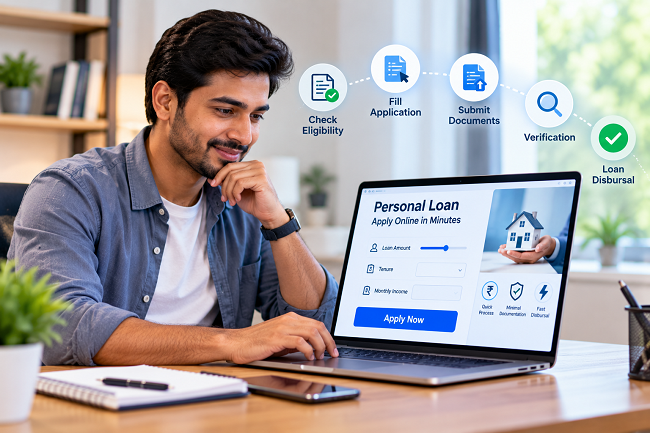
Digital lending has made it easier to apply for a personal loan without visiting a branch. An online loan application lets borrowers submit details, upload documents, and review offers through a lender's website or mobile app. However, checking eligibility, comparing borrowing costs, and understanding repayment obligations remain essential. Preparing in advance can help you make informed financial decisions.
Checking eligibility can help you understand your options before submitting a formal application.
Comparing terms and checking affordability can help you select a suitable option.
For salaried applicants, commonly requested documents include:
Keep clear digital copies ready. The lender may request additional documents depending on your application.
The advertised interest rate may differ from the rate offered to you. Your credit history, income, existing debt, and the lender's assessment can influence the final rate.
Before accepting an offer, review these costs:
The Annual Percentage Rate (APR) helps explain the annualized cost of borrowing, including applicable charges. Review the KFS and compare total borrowing costs before accepting an offer.
A personal loan app can simplify document submission, application tracking, and access to repayment information. Available features vary by lender and loan account.
Apps such as Tata Capital Loan App & Wealth provide access to digital financial services. Before using a lending app, verify the lender, review its privacy practices, and check the loan terms.
Digital lending includes regulated banks and non-banking financial companies (NBFCs), as well as lending platforms that may act as service providers. Verify the actual lender before sharing sensitive personal or financial information.
Keep these precautions in mind:
These checks can help you avoid fraudulent platforms and make a more informed borrowing decision.
Review the loan agreement and KFS carefully before accepting a personal loan. These documents explain your repayment obligations and the terms that apply to your loan.
Under RBI's KFS requirements, borrowers should receive the applicable loan cost disclosures before executing the agreement. Reviewing these details helps you understand the financial commitment before accepting the offer.
Applying for a personal loan online can simplify borrowing, but preparation remains essential. Check eligibility, organize documents, compare costs, and verify the lender before accepting an offer.
Review the loan agreement and assess your repayment capacity to choose a loan that fits your financial situation.
What a Personal Loan Online Application Involves
An online application lets you submit your details and documents through a lender's website or mobile app. Steps and processing times vary by lender and applicant.- Complete the application: Enter your personal, employment, income, and loan details.
- Check eligibility: A preliminary check does not guarantee approval.
- Submit documents: Upload the required identity, address, and income documents.
- Complete verification: The lender reviews your credit profile, income, existing obligations, and the information you submitted.
- Review the offer: Check the loan amount, interest rate, tenure, fees, and Key Facts Statement (KFS).
- Complete formalities: Review the agreement and complete the required verification and repayment setup.
- Receive the funds: Disbursement follows approval and completion of the required formalities.
Approval and disbursement depend on the lender's assessment and verification process.
Checking Eligibility Before Applying
Checking eligibility can help you understand your options before submitting a formal application.
- Use eligibility checks: Check whether a preliminary assessment involves a credit inquiry.
- Compare lenders: Review interest rates, processing fees, repayment tenures, and other charges.
- Review the final offer: Preliminary results do not guarantee approval or a specific rate.
- Assess repayment capacity: Choose a loan amount and tenure that fit your income, expenses, and existing commitments.
Comparing terms and checking affordability can help you select a suitable option.
Preparing Your Documents
Having the required documents ready can help reduce avoidable delays. Requirements depend on the lender and your employment profile.For salaried applicants, commonly requested documents include:
- Identity and address proof, such as Aadhaar or a passport.
- PAN card.
- Recent salary slips and bank statements showing salary credits.
- Employment proof, if required.
- Identity and address proof, along with PAN.
- Income tax returns (ITRs).
- Business financial statements, where applicable.
- Bank statements and supporting income records.
Keep clear digital copies ready. The lender may request additional documents depending on your application.
Understanding the Interest Rate and Fee Structure
The advertised interest rate may differ from the rate offered to you. Your credit history, income, existing debt, and the lender's assessment can influence the final rate.
Before accepting an offer, review these costs:
- Interest rate: Check the offered rate and how interest is calculated.
- Processing fee: Confirm the applicable fee and taxes.
- Other charges: Check documentation, stamp duty, prepayment, and foreclosure charges, where applicable.
- Penal charges: Understand charges for missed payments or breaches of the loan terms.
The Annual Percentage Rate (APR) helps explain the annualized cost of borrowing, including applicable charges. Review the KFS and compare total borrowing costs before accepting an offer.
Using a Personal Loan App for Convenience
A personal loan app can simplify document submission, application tracking, and access to repayment information. Available features vary by lender and loan account.
Apps such as Tata Capital Loan App & Wealth provide access to digital financial services. Before using a lending app, verify the lender, review its privacy practices, and check the loan terms.
Verifying the Lender's Legitimacy
Digital lending includes regulated banks and non-banking financial companies (NBFCs), as well as lending platforms that may act as service providers. Verify the actual lender before sharing sensitive personal or financial information.
Keep these precautions in mind:
- Verify the lender: Check the relevant bank or NBFC's details through official sources.
- Use official channels: Download apps from trusted sources and confirm that they are linked to the stated lender.
- Review the charges: Check the disclosed interest rate, APR, processing fees, and other applicable costs.
- Protect personal information: Avoid platforms that request unnecessary permissions or make suspicious payment demands.
- Read the terms: Understand the privacy policy, loan agreement, and repayment conditions before proceeding.
These checks can help you avoid fraudulent platforms and make a more informed borrowing decision.
Reading the Loan Agreement Before Acceptance
Review the loan agreement and KFS carefully before accepting a personal loan. These documents explain your repayment obligations and the terms that apply to your loan.
- Confirm the EMI: Check the loan amount, interest rate, tenure, and monthly repayment amount.
- Understand late payment charges: Review the charges that may apply if you miss an EMI or breach the agreement.
- Check prepayment conditions: Understand the rules and applicable charges for repaying part or all of the loan early.
- Review interest rate changes: If the loan has a floating rate, check the conditions under which the rate or repayment schedule may change.
- Clarify unfamiliar terms: Ask the lender to explain any fees, conditions, or clauses you do not understand.
Under RBI's KFS requirements, borrowers should receive the applicable loan cost disclosures before executing the agreement. Reviewing these details helps you understand the financial commitment before accepting the offer.
Conclusion
Applying for a personal loan online can simplify borrowing, but preparation remains essential. Check eligibility, organize documents, compare costs, and verify the lender before accepting an offer.
Review the loan agreement and assess your repayment capacity to choose a loan that fits your financial situation.