A New Test for Trump’s Presidency
The House of Representatives, meanwhile, has extensive powers of investigation and financial oversight.
NewsBharati 05-Nov-2026 12:11:24 PM
Total Views |


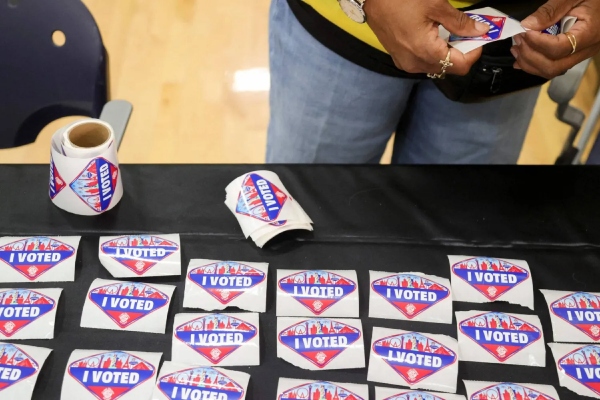
The American midterm elections have produced a significant shift in the political balance of power in Washington. The Democratic Party’s capture of both the House of Representatives and the Senate represents a major setback for President Donald Trump and the Republican Party, which had entered the election controlling both chambers of Congress. The result will have consequences extending well beyond party arithmetic. It will influence the functioning of the administration, the legislative agenda, executive appointments and the political climate in the United States during the remaining two years of Trump's term.
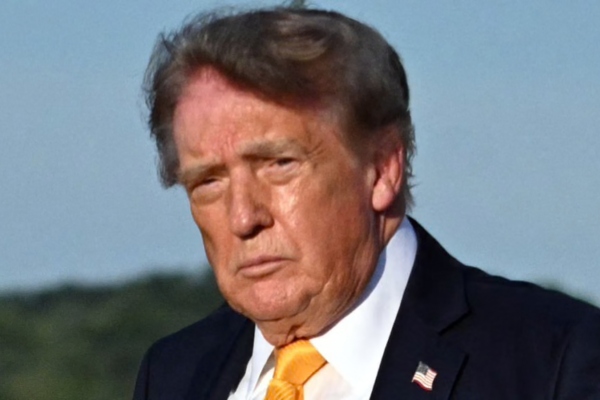
The outcome is particularly noteworthy because Trump had made himself a central figure in the Republican campaign. His political influence and personal appeal had been important factors in the party's strategy. Consequently, the Democratic victories in several traditionally Republican areas have implications for the Republican Party's political positioning as well as for the President himself. However, the result should not be interpreted as a rejection of every policy pursued by the administration. Midterm voting is influenced by several factors, including local candidates, regional concerns and the performance of individual state governments.
The immediate institutional consequence is clear - Trump will have to deal with a Congress controlled by the opposition. During the first half of his second term, Republican control of both chambers provided him with considerable legislative support. That advantage has now disappeared. The Democrats will be in a position to determine the legislative priorities of Congress, control important committees and decide which proposals receive serious consideration.
This will make the passage of legislation considerably more difficult. Trump's domestic agenda, including proposals relating to taxation, immigration, government expenditure and economic policy, will face greater scrutiny and resistance. Even where there is scope for bipartisan agreement, negotiations will become more complicated. The President may have to modify proposals, negotiate compromises or rely more heavily on executive action.
The Senate's change of control is equally important. The chamber plays a decisive role in confirming senior executive appointments and federal judicial nominations. Democratic control will therefore affect the administration's ability to secure approval for its nominees. The process could become more prolonged and politically contentious. The Senate also has an important constitutional role in the ratification of treaties and the conduct of impeachment trials.
The House of Representatives, meanwhile, has extensive powers of investigation and financial oversight. Democratic leaders can initiate inquiries into the administration's decisions, demand documents, summon officials and conduct hearings through congressional committees. This could place several aspects of the President's functioning under sustained scrutiny. Questions relating to government expenditure, executive decisions, foreign policy and the administration's handling of public affairs could become subjects of congressional investigation.
However, congressional control does not automatically translate into control over the executive branch. Trump remains President, retains his constitutional powers and continues to direct the federal administration. He can veto legislation passed by Congress, although Congress can override a veto with the constitutionally required two-thirds majority in both chambers. He also retains considerable authority over executive policy and the conduct of foreign relations. The new political arrangement will constrain his legislative freedom, but it will not bring his presidency to a halt.
Foreign policy presents a particularly interesting dimension. The President enjoys considerable authority as commander-in-chief and remains the principal face of American diplomacy. Nevertheless, Congress controls appropriations, exercises oversight and can influence the resources available for military and diplomatic initiatives. Democratic control of both chambers could therefore make it more difficult for Trump to secure unconditional political and financial support for controversial foreign-policy decisions. The extent of this influence will depend on the issue, the administration's approach and the willingness of individual lawmakers to cooperate across party lines.
For Trump, the domestic political challenge will be to manage this new reality without allowing legislative confrontation to dominate the remaining years of his presidency. He will also have to consider its implications for the Republican Party ahead of the 2028 presidential election. Republican lawmakers will face their own political calculations: some may remain closely aligned with Trump, while others may seek to establish a distinct position on issues where public opinion or their electoral constituencies demand a different approach.
For the Democrats, the result brings both opportunity and responsibility. They have secured control of Congress and the power to scrutinise the administration, but they will also be expected to demonstrate that they can govern constructively. An approach based entirely on obstruction and confrontation may produce political friction without necessarily addressing the concerns that influenced voters. Their challenge will be to combine institutional oversight with a credible legislative agenda.
The American constitutional system was designed around the separation of powers and checks and balances. Divided government is not an exception to this system; it is one of its possible outcomes. A President and a Congress controlled by opposing parties can create friction, but they are also required to negotiate, accommodate competing interests and remain accountable to the electorate.
The 2026 midterm verdict has altered the balance of power in Washington. It has narrowed Trump's political room for manoeuvre and strengthened the Democrats' capacity to scrutinise his administration. But the ultimate test will not be how aggressively either side exercises its newly acquired political power. It will be whether the President and Congress can function within the constitutional framework, address public concerns and prevent partisan confrontation from paralysing governance.
The voters have changed the political equation. How Washington responds will determine what this election ultimately means for America.
Midterm elections are traditionally viewed as a referendum on the performance of the sitting president. They take place halfway through a presidential term and provide voters with an opportunity to express their satisfaction or dissatisfaction with the government's record. This time, the verdict reflects a combination of economic concerns, public sentiment over the administration's policies and dissatisfaction with the direction of the country. The cost of living, the war with Iran and concerns about governance emerged as important issues influencing voters.
The outcome is particularly noteworthy because Trump had made himself a central figure in the Republican campaign. His political influence and personal appeal had been important factors in the party's strategy. Consequently, the Democratic victories in several traditionally Republican areas have implications for the Republican Party's political positioning as well as for the President himself. However, the result should not be interpreted as a rejection of every policy pursued by the administration. Midterm voting is influenced by several factors, including local candidates, regional concerns and the performance of individual state governments.
The immediate institutional consequence is clear - Trump will have to deal with a Congress controlled by the opposition. During the first half of his second term, Republican control of both chambers provided him with considerable legislative support. That advantage has now disappeared. The Democrats will be in a position to determine the legislative priorities of Congress, control important committees and decide which proposals receive serious consideration.
This will make the passage of legislation considerably more difficult. Trump's domestic agenda, including proposals relating to taxation, immigration, government expenditure and economic policy, will face greater scrutiny and resistance. Even where there is scope for bipartisan agreement, negotiations will become more complicated. The President may have to modify proposals, negotiate compromises or rely more heavily on executive action.
The Senate's change of control is equally important. The chamber plays a decisive role in confirming senior executive appointments and federal judicial nominations. Democratic control will therefore affect the administration's ability to secure approval for its nominees. The process could become more prolonged and politically contentious. The Senate also has an important constitutional role in the ratification of treaties and the conduct of impeachment trials.
The House of Representatives, meanwhile, has extensive powers of investigation and financial oversight. Democratic leaders can initiate inquiries into the administration's decisions, demand documents, summon officials and conduct hearings through congressional committees. This could place several aspects of the President's functioning under sustained scrutiny. Questions relating to government expenditure, executive decisions, foreign policy and the administration's handling of public affairs could become subjects of congressional investigation.
However, congressional control does not automatically translate into control over the executive branch. Trump remains President, retains his constitutional powers and continues to direct the federal administration. He can veto legislation passed by Congress, although Congress can override a veto with the constitutionally required two-thirds majority in both chambers. He also retains considerable authority over executive policy and the conduct of foreign relations. The new political arrangement will constrain his legislative freedom, but it will not bring his presidency to a halt.
Foreign policy presents a particularly interesting dimension. The President enjoys considerable authority as commander-in-chief and remains the principal face of American diplomacy. Nevertheless, Congress controls appropriations, exercises oversight and can influence the resources available for military and diplomatic initiatives. Democratic control of both chambers could therefore make it more difficult for Trump to secure unconditional political and financial support for controversial foreign-policy decisions. The extent of this influence will depend on the issue, the administration's approach and the willingness of individual lawmakers to cooperate across party lines.
The recent Israeli election offers another important international context. Benjamin Netanyahu's Likud emerged as the largest party, but neither his bloc nor the opposition led by Gadi Eisenkot secured the 61 seats required for a majority in the 120-member Knesset. The Arab-led parties secured 19 seats and could become significant in negotiations over government formation. Trump has openly supported Netanyahu, particularly in the context of the conflict with Iran. The uncertainty surrounding Israel's next government, therefore, adds another layer to an already complicated regional situation. Yet the Israeli election and the American midterms are different political contests, and their results should not be treated as directly comparable.
For Trump, the domestic political challenge will be to manage this new reality without allowing legislative confrontation to dominate the remaining years of his presidency. He will also have to consider its implications for the Republican Party ahead of the 2028 presidential election. Republican lawmakers will face their own political calculations: some may remain closely aligned with Trump, while others may seek to establish a distinct position on issues where public opinion or their electoral constituencies demand a different approach.
For the Democrats, the result brings both opportunity and responsibility. They have secured control of Congress and the power to scrutinise the administration, but they will also be expected to demonstrate that they can govern constructively. An approach based entirely on obstruction and confrontation may produce political friction without necessarily addressing the concerns that influenced voters. Their challenge will be to combine institutional oversight with a credible legislative agenda.
The American constitutional system was designed around the separation of powers and checks and balances. Divided government is not an exception to this system; it is one of its possible outcomes. A President and a Congress controlled by opposing parties can create friction, but they are also required to negotiate, accommodate competing interests and remain accountable to the electorate.
The 2026 midterm verdict has altered the balance of power in Washington. It has narrowed Trump's political room for manoeuvre and strengthened the Democrats' capacity to scrutinise his administration. But the ultimate test will not be how aggressively either side exercises its newly acquired political power. It will be whether the President and Congress can function within the constitutional framework, address public concerns and prevent partisan confrontation from paralysing governance.
The voters have changed the political equation. How Washington responds will determine what this election ultimately means for America.

Editor's Desk
Editor's Desk