Gen Z and Millennials are reimagining India's spiritual side with 'Shrinecation'
Another emerging dimension of youth spirituality is the popularity of hybrid devotional events such as bhajan clubbing and kirtan raves.
Total Views |


Swami Vivekananda's words, “And if there is any land that can lay claim to be the land of spirituality and philosophy, the birthplace of the highest and noblest ideals, it is India,” continue to reflect the country's rich spiritual heritage and its enduring connection with faith, philosophy and cultural traditions.
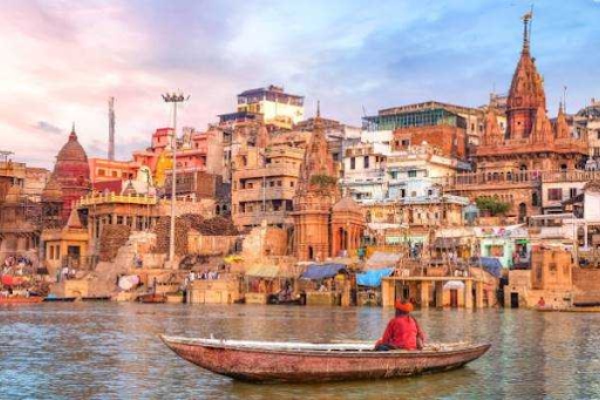
Today, this spiritual legacy is finding a new expression as India's spiritual tourism sector undergoes a significant transformation. What was traditionally associated with older generations and family pilgrimages is increasingly attracting young travellers, who are exploring pilgrimage destinations through a blend of faith, leisure, wellness and cultural experiences. Supported by digital bookings, improved connectivity and short-duration travel options, spiritual tourism is gradually becoming a popular choice among India's younger generation.
The emerging trend, popularly emerged as ‘shrinecations’, combines religious visits with leisure tourism. Young travellers are increasingly treating pilgrimage destinations as places for spiritual exploration, cultural discovery and personal well-being. This shift is also encouraging several pilgrimage centres to improve their tourism infrastructure to meet the expectations of younger visitors.
Digital platforms transform traditional pilgrimage
The way Indians plan spiritual journeys has changed considerably with the expansion of online booking platforms, mobile payment systems such as the Unified Payments Interface (UPI) and digital travel services. Earlier, pilgrimages were generally planned months in advance around religious festivals, lunar calendars and important family occasions. Today, young travellers increasingly prefer flexible and short-notice travel plans.
According to data from major transport platforms, travellers below the age of 30 account for more than 53% of bookings to spiritual destinations across India. Bookings made within four hours of departure increased from 16% in 2022 to 23%. Around 46% of spiritual travellers book bus or train tickets on the same day, while more than 63% arrange accommodation within a short period after departure.
Male travellers account for approximately 69% of youth spiritual travel bookings, while female travellers represent 31%. The growing participation of women also reflects an increase in independent spiritual journeys alongside traditional group pilgrimages.
Youth participation across India's major pilgrimage destinations
The Maha Kumbh Mela 2025 in Prayagraj, which attracted an estimated 660 million visitors, witnessed nearly 50% participation from young people. At the Kashi Vishwanath Temple in Varanasi, which receives around 72 million visitors annually following the development of the corridor, young pilgrims account for approximately 40% to 45% of visitors.
The Kanwar Yatra attracts between 30 million and 60 million devotees, with nearly 70% belonging to younger age groups. Similarly, Rishikesh receives around five million visitors annually, of whom approximately 59% are young travellers.
In Uttarakhand, the Chota Char Dham circuit, comprising Yamunotri, Gangotri, Kedarnath and Badrinath, attracts nearly five million pilgrims every year, with youth accounting for 45% to 50% of visitors.
Other major destinations also report considerable youth participation. Mata Vaishno Devi receives around 10 million pilgrims annually, with young visitors accounting for 50% to 55%. Tirumala Tirupati attracts nearly 24 million pilgrims, including 35% to 40% young travellers.
Maharashtra's Pandharpur Wari attracts between 1.2 million and 1.5 million devotees, with young participants forming around 35% to 40% of the walking groups, known as dindis. Meanwhile, Sabarimala receives between 10 million and 15 million pilgrims during its annual Mandala season, with approximately 40% to 45% young visitors. Odisha's Puri Ratha Yatra attracts around 1.2 million to 1.5 million visitors, of whom 35% to 40% are young pilgrims.
Faith meets modern experiences
Another emerging dimension of youth spirituality is the popularity of hybrid devotional events such as bhajan clubbing and kirtan raves. These gatherings bring traditional bhajans and kirtans into modern, alcohol-free social settings. Instruments such as tabla, mridangam and harmonium are combined with contemporary sound systems, electronic music and lighting arrangements.
Young professionals and students participate in collective singing, chanting and dance, viewing these events as opportunities for spiritual expression, stress relief and social interaction.
The experience economy is also influencing travel preferences. According to MakeMyTrip, nearly 48% of holiday packages booked for major spiritual destinations include additional activities such as white-water rafting in Rishikesh, heritage walks and photography in Varanasi, and hill excursions near Katra.
Their accommodation preferences are changing as well. Hotel bookings across 56 major spiritual destinations have increased by 19% year-on-year. Bookings for mid-premium and luxury accommodation costing between ₹7,000 and ₹10,000 or more per night have grown by 23% to 24%. Boutique hotels and homestays offering modern facilities, internet connectivity and comfortable spaces are becoming popular among younger travellers.
What is attracting young Indians to spiritual tourism?
Several factors are contributing to this growing interest. For many young Indians, visiting religious destinations provides an opportunity to reconnect with cultural identity and traditional heritage amid rapid urbanisation and changing lifestyles.
Short spiritual journeys also offer a practical break from demanding academic and professional schedules. Improved road connectivity, transport networks and digital booking facilities have made weekend pilgrimages more accessible.
The growth of spiritual tourism is also supporting regional economies. Cities such as Prayagraj, Ayodhya, Varanasi, Katra, Ujjain and Tirupati are witnessing demand for hotels, restaurants, local transport and traditional handicrafts. Spending by young visitors supports local businesses, creates employment and encourages investment in tourism infrastructure.