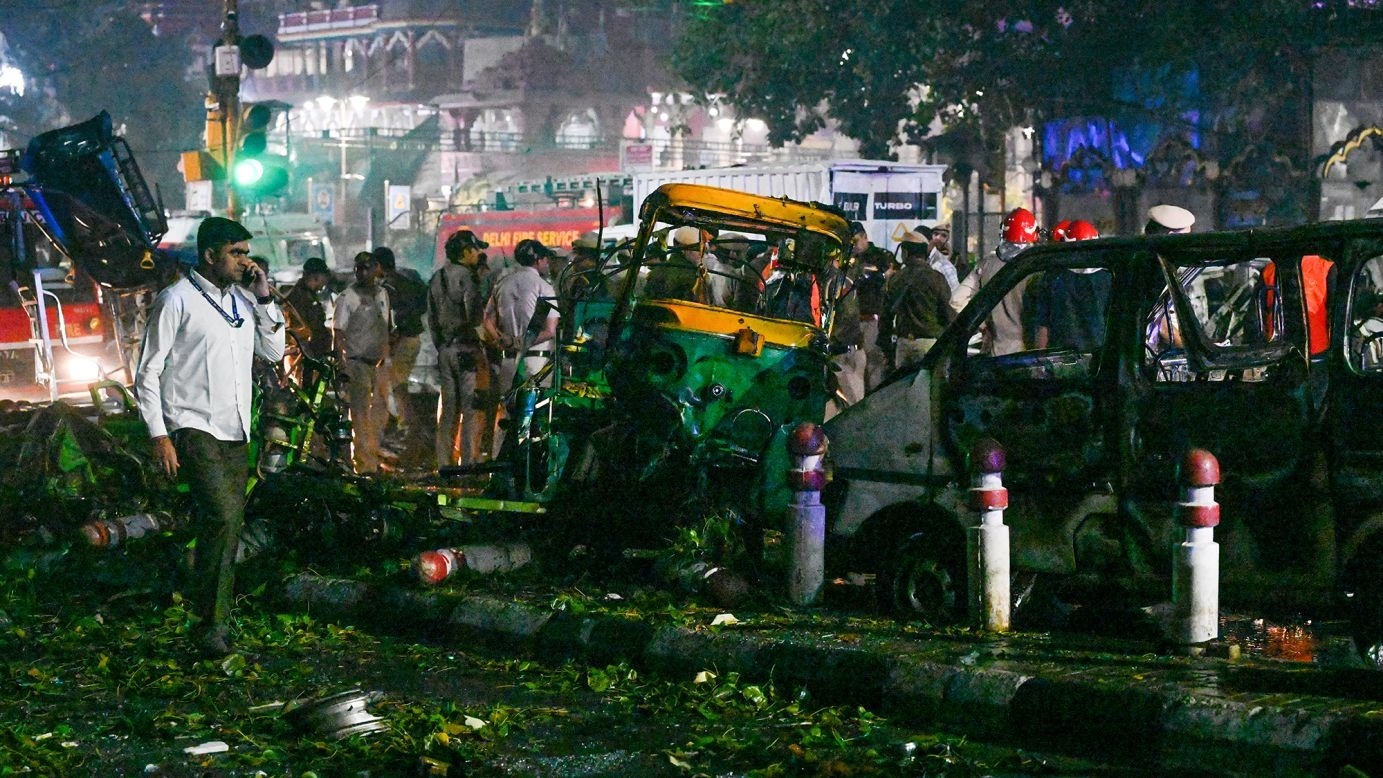
The National Investigation Agency (NIA) is preparing to file a chargesheet in the November 2025 Red Fort blast case, describing it as part of a large terror conspiracy involving educated professionals, encrypted communication networks and Pakistan-linked terror outfits.
The NIA has uncovered what officials describe as a deeply organised “white-collar terror module” during its investigation into the November 10, 2025 blast near Red Fort.
Image Source : CNN
According to a report by
News18, investigators believe the attack was not an isolated incident but part of a broader conspiracy involving highly educated individuals allegedly linked to Pakistan-based terror organisations such as Jaish-e-Mohammed and its affiliate Ansar Ghazwat-ul-Hind.
Officials claim the module consisted largely of doctors, technical experts and educated professionals from Jammu and Kashmir who were allegedly radicalised through online propaganda, encrypted messaging applications and closed ideological networks.
Doctor-turned suicide bomber
At the centre of the investigation is Umar Un Nabi, a doctor and assistant professor from Kashmir, whom investigators identified as the alleged mastermind behind the Red Fort suicide blast.
According to the probe, Umar was not only the suicide attacker but also allegedly handled recruitment, ideological indoctrination and operational planning for the group. Investigators claim he used WhatsApp, Telegram and private communication channels to radicalise educated youth and professionals.
The NIA is also expected to mention the role of preacher Mufti Irfan Ahmad Wagay and self-recorded videos allegedly circulated by Umar that promoted violent jihad and glorified martyrdom.
Hamas-style drone attack plans under investigation
The investigation has reportedly revealed plans for multiple “high-impact” attacks across North India, including Delhi, Uttar Pradesh and Jammu & Kashmir.
Officials claim the group was allegedly exploring Hamas-style drone and rocket attacks using modified drones and improvised explosive systems. Investigators alleged that technical support for drone modification and electronic equipment was provided by Jasir Bilal Wani alias Danish.
The NIA further alleged that the module procured ammonium nitrate and other explosive chemicals in small quantities from different places to avoid suspicion. These materials were reportedly stored in rented premises in Faridabad.
According to investigators, the Hyundai i20 car used in the Red Fort blast was procured through co-accused Amir Rashid Ali.
Doctors, logistics experts named
The probe has identified several other accused, including Dr Muzammil Shakeel Ganai, Dr Adeel Ahmad Rather and Dr Shaheen Saeed, who allegedly handled logistics, explosives procurement, financing and weapons arrangements.
Officials also alleged that the module raised nearly Rs 26 lakh internally to fund terror activities, including fabrication of improvised explosive devices (IEDs).
Investigators claim the accused tested explosives and weapons at different locations while using duplicate SIM cards, encrypted communication apps and spycraft-style methods to evade detection.
The NIA has also accused several overground workers and sympathisers of helping the operatives hide and destroy evidence after the blast. Bilal Naseer Malla allegedly sheltered Umar and helped erase evidence, while Mohammad Soyab from Faridabad allegedly provided logistical support and safe shelter.
In February this year, the NIA arrested Zameer Ahmad Ahangar from Ganderbal and Tufail Ahmad Bhat, both alleged to be linked to the conspiracy network.
Charges under UAPA and explosives act
The upcoming chargesheet is expected to invoke multiple sections of the Unlawful Activities (Prevention) Act, including provisions related to terrorist acts, conspiracy, terror financing and support to terror organisations.
Sections of the Explosive Substances Act dealing with causing explosions and attempts to endanger life are also likely to be included.
Investigators say the case reflects a major shift in terror recruitment patterns, where highly educated and self-funded radical networks are allegedly using technology, professional expertise and encrypted platforms to plan sophisticated attacks while avoiding traditional surveillance systems.