MP Court confirms Bhojshala is temple of Goddess Vagdevi and Hindus have right to worship it, all you need to know
The High Court quashed the ASI’s 2003 circular, which had permitted Hindus to conduct puja on Tuesdays and Muslims to offer Friday namaz at the protected monument.
Total Views |


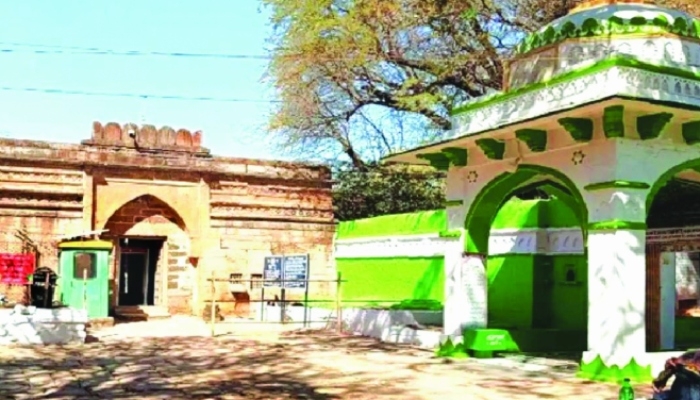
In a significant ruling that may redefine the long-standing Bhojshala-Kamal Maula dispute, the Madhya Pradesh High Court on Friday, May 13, declared the disputed Bhojshala complex in Dhar as a temple dedicated to Goddess Vagdevi Saraswati. The court also struck down the Archaeological Survey of India’s (ASI) 2003 arrangement that had allowed Muslims to offer namaz at the site.
Court Notes: “Continuity of Hindu Worship”
In its judgment, the bench observed that Hindu worship at the site had continued over time, though under regulation.
“The historical literature of the place establishes it as a centre of Sanskrit learning associated with Raja Bhoj. It indicates the existence of a temple dedicated to Goddess Vagdevi Saraswati at Dhar. Therefore, the religious character of the area is held to be Bhojshala with the temple of Goddess Vagdevi Saraswati,” the court said.
The court suggests an alternative site for the mosque
While recognising the Hindu claim over the monument, the High Court also addressed the religious concerns of the Muslim community. It said the Madhya Pradesh government could consider allotting suitable land within Dhar district for the construction of a mosque if an application is made.
ASI to continue supervisory role
The court clarified that the ASI would retain full supervisory authority over the preservation and conservation of the monument under the Ancient Monuments and Archaeological Sites and Remains Act. The bench also acknowledged demands from Hindu petitioners for the return of an idol of Goddess Saraswati believed to be kept in a museum in London. The court said the government may consider any representation seeking the idol’s return and possible installation at the Bhojshala complex.
Dispute over religious identity
The present litigation stemmed from multiple petitions before the High Court, including demands for exclusive Hindu worship rights and restrictions on namaz at the site. During the proceedings, the High Court had ordered a scientific ASI survey of the monument. The Supreme Court later briefly stayed the process before allowing a time-bound examination of the survey report and objections submitted by various parties.
Lawyers representing Hindu petitioners argued that Bhojshala was originally a Saraswati temple built during Raja Bhoj’s reign, citing inscriptions, archaeological remains, and structural features as evidence of a pre-existing Hindu religious structure. Muslim petitioners, however, contended that records from the Khilji era contained no mention of the destruction of a Saraswati temple. They also referred to a 1935 “Alaan” issued by the erstwhile ruler of Dhar, permitting namaz at the site.
Jain petitioners too asserted a claim, arguing that an idol associated with the site belonged to the Jain Goddess Ambika and pointing to similarities between the structure’s architecture and Jain temples at Dilwara Temples in Mount Abu.
A division bench comprising Justice Vijay Kumar Shukla and Justice Alok Awasthi held that historical records, archaeological findings, and literary evidence confirmed the site’s identity as a Saraswati temple linked to Raja Bhoj, the Parmar ruler known for transforming Dhar into a major centre of Sanskrit learning.
Court Notes: “Continuity of Hindu Worship”
In its judgment, the bench observed that Hindu worship at the site had continued over time, though under regulation.
“The historical literature of the place establishes it as a centre of Sanskrit learning associated with Raja Bhoj. It indicates the existence of a temple dedicated to Goddess Vagdevi Saraswati at Dhar. Therefore, the religious character of the area is held to be Bhojshala with the temple of Goddess Vagdevi Saraswati,” the court said.
The High Court also quashed the ASI’s 2003 circular, which had permitted Hindus to conduct puja on Tuesdays and Muslims to offer Friday namaz at the protected monument. The arrangement had remained a major flashpoint in the dispute between Hindu and Muslim groups regarding the site’s identity.
#WATCH | Dhar, Madhya Pradesh | On Dhar-Bhojshala case, advocate Vishnu Shankar Jain says, "The Indore High Court has delivered a historic verdict, partially setting aside the ASI's order dated April 7, 2003. Furthermore, the Court has granted the Hindu side the right to worship… pic.twitter.com/gilTokeGJy
— ANI (@ANI) May 15, 2026
The court suggests an alternative site for the mosque
While recognising the Hindu claim over the monument, the High Court also addressed the religious concerns of the Muslim community. It said the Madhya Pradesh government could consider allotting suitable land within Dhar district for the construction of a mosque if an application is made.
“To secure the religious rights of the Muslim community, in case respondent no.1 submits an application for allotment of suitable land within Dhar district for the construction of a mosque, the state may consider the said application as per law,” the bench stated.
ASI to continue supervisory role
The court clarified that the ASI would retain full supervisory authority over the preservation and conservation of the monument under the Ancient Monuments and Archaeological Sites and Remains Act. The bench also acknowledged demands from Hindu petitioners for the return of an idol of Goddess Saraswati believed to be kept in a museum in London. The court said the government may consider any representation seeking the idol’s return and possible installation at the Bhojshala complex.
Dispute over religious identity
The Bhojshala dispute, which stretches back decades, revolves around competing claims over the 11th-century structure. Hindus consider the site a temple dedicated to Goddess Saraswati, while Islamists identify it as the Kamal Maula Mosque.
The present litigation stemmed from multiple petitions before the High Court, including demands for exclusive Hindu worship rights and restrictions on namaz at the site. During the proceedings, the High Court had ordered a scientific ASI survey of the monument. The Supreme Court later briefly stayed the process before allowing a time-bound examination of the survey report and objections submitted by various parties.
Lawyers representing Hindu petitioners argued that Bhojshala was originally a Saraswati temple built during Raja Bhoj’s reign, citing inscriptions, archaeological remains, and structural features as evidence of a pre-existing Hindu religious structure. Muslim petitioners, however, contended that records from the Khilji era contained no mention of the destruction of a Saraswati temple. They also referred to a 1935 “Alaan” issued by the erstwhile ruler of Dhar, permitting namaz at the site.
Jain petitioners too asserted a claim, arguing that an idol associated with the site belonged to the Jain Goddess Ambika and pointing to similarities between the structure’s architecture and Jain temples at Dilwara Temples in Mount Abu.