Congress Delayed, Muslim League Decided: Keralam Message
Congress Delayed, Muslim League Decided: Keralam Message
NewsBharati 15-May-2026 16:02:05 PM
Total Views |


Congress stands exposed in Keralam not as a party of governance, but as a party trapped between dynasty, factional blackmail and Muslim League pressure politics. The extraordinary delay in selecting a Chief Minister despite a decisive mandate has turned into a national embarrassment for the party. This was not democratic consultation. This was political paralysis unfolding in public view.
Keralam was expected to become Congress’s comeback story. Instead, it has emerged as the clearest example of why the party continues to weaken across India despite repeated opportunities for revival. The power struggle revolved around four centres — K. C. Venugopal, Ramesh Chennithala, V. D. Satheesan and the Gandhi family’s invisible control room in Delhi.
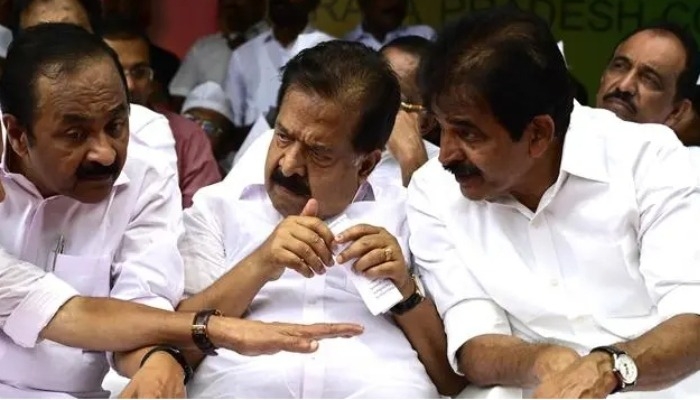 Venugopal and Chennithala represented the traditional Congress establishment. Both are widely known as loyalists of the Gandhi family, products of the same Delhi-centric culture where proximity to the high command often matters more than political energy on the ground. Their politics is deeply tied to the Rahul Gandhi ecosystem — a circle that continues to dominate Congress decision-making despite years of electoral decline.
And that is precisely the central problem.
Rahul Gandhi’s political record remains a long sequence of failures wrapped in moral posturing. Under his leadership, Congress steadily lost ideological sharpness, organisational discipline and political aggression. Congress has now virtually turned into a branch of Communist party when it comes to ideology. State after state slipped away from the party. But the same ecosystem continues to control appointments and strategy. The possible elevation of Venugopal or Chennithala would have once again confirmed that Congress rewards loyalty to the dynasty over mass leadership or administrative credibility.
But Keralam Congress is no longer entirely obedient to Delhi.
That possibility created visible discomfort within the Congress high command.
Congress history is filled with leaders who were weakened, marginalised or pushed aside the moment they appeared larger than the family structure. Whether it was Sharad Pawar, Mamata Banerjee or several others, Congress repeatedly chose weak loyalists over assertive regional leadership. Satheesan’s growing stature therefore naturally unsettled Delhi.
But the most uncomfortable reality in this entire episode remained the role of the Indian Union Muslim League. The IUML’s open preference for Satheesan virtually froze the Congress leadership for days. The Muslim League may not publicly dictate terms, but Keralam politics clearly understands how power equations operate behind closed doors. Congress simply could not afford to antagonise the IUML because the party has now become structurally dependent on minority consolidation politics.
This was the real story behind the prolonged delay.
Congress leaders understand that Keralam’s Muslim vote bank has become central to the party’s political survival in the state. The IUML’s organisational strength, legislative numbers and electoral influence provide it enormous bargaining leverage. Congress therefore could not arrive at a final decision without ensuring Muslim League comfort. And this completely demolishes Congress’s old secular posture.
After repeated setbacks across India, Rahul Gandhi shifted to Wayanad. The decision was not ideological. It was political survival. Keralam offered demographic comfort, alliance stability and a comparatively safer electoral landscape. Even Priyanka Gandhi Vadra’s political relevance is now deeply linked to this Keralam-centred ecosystem. In simple terms, Keralam has become the Gandhi family’s political shelter.
That explains the nervousness within the high command. The family cannot afford instability in the one major state where it still enjoys emotional and electoral protection. Every faction therefore gained bargaining power. Every ally acquired leverage. And the Muslim League effectively gained veto-like influence over the process.
The Gandhi family suddenly appeared sensitive to public sentiment — not out of internal democratic conviction, but because its own political future now depends heavily on Keralam’s stability. The high command realised that continued indecision would further damage Congress’s already collapsing credibility.This is why the Chief Minister's announcement remained delayed despite electoral victory.
Congress today no longer functions like a confident national party. It functions like a fragile pressure-management system. One faction threatens rebellion. Another invokes Delhi connections. Allies send coded signals. Community equations dominate calculations. And the dynasty attempts to balance everything without upsetting anybody. The inevitable result is confusion and chaos.
India today is watching a party that aspires to govern the nation struggle to govern itself. At a time when Indian politics increasingly rewards decisiveness, ideological clarity and strong leadership, Congress appears exhausted, hesitant and directionless. Keralam was supposed to showcase revival. Instead, it exposed decay.
A party that cannot choose its own leader without days of public confusion and factional warfare cannot convincingly claim to offer stable leadership to the country. And perhaps the biggest political message emerging from Keralam is this — Congress no longer leads its alliances. It merely survives because of them.
Keralam was expected to become Congress’s comeback story. Instead, it has emerged as the clearest example of why the party continues to weaken across India despite repeated opportunities for revival. The power struggle revolved around four centres — K. C. Venugopal, Ramesh Chennithala, V. D. Satheesan and the Gandhi family’s invisible control room in Delhi.
And that is precisely the central problem.
Rahul Gandhi’s political record remains a long sequence of failures wrapped in moral posturing. Under his leadership, Congress steadily lost ideological sharpness, organisational discipline and political aggression. Congress has now virtually turned into a branch of Communist party when it comes to ideology. State after state slipped away from the party. But the same ecosystem continues to control appointments and strategy. The possible elevation of Venugopal or Chennithala would have once again confirmed that Congress rewards loyalty to the dynasty over mass leadership or administrative credibility.
But Keralam Congress is no longer entirely obedient to Delhi.
That is where Satheesan became politically significant. He was not merely another aspirant in the race. He represented a growing sentiment within the Kerala Congress that the state leadership should not function as a branch office of the Gandhi family. Satheesan built his own political acceptability through grassroots politics, organisational work and public visibility. Unlike conventional Delhi loyalists, he carried the potential to emerge as an independent power centre within the party.
ALSO READ: “Hindutva is a way of fife”: Supreme Court reaffirms Bharat’s civilisational ethos
That possibility created visible discomfort within the Congress high command.
Congress history is filled with leaders who were weakened, marginalised or pushed aside the moment they appeared larger than the family structure. Whether it was Sharad Pawar, Mamata Banerjee or several others, Congress repeatedly chose weak loyalists over assertive regional leadership. Satheesan’s growing stature therefore naturally unsettled Delhi.
But the most uncomfortable reality in this entire episode remained the role of the Indian Union Muslim League. The IUML’s open preference for Satheesan virtually froze the Congress leadership for days. The Muslim League may not publicly dictate terms, but Keralam politics clearly understands how power equations operate behind closed doors. Congress simply could not afford to antagonise the IUML because the party has now become structurally dependent on minority consolidation politics.
This was the real story behind the prolonged delay.
Congress leaders understand that Keralam’s Muslim vote bank has become central to the party’s political survival in the state. The IUML’s organisational strength, legislative numbers and electoral influence provide it enormous bargaining leverage. Congress therefore could not arrive at a final decision without ensuring Muslim League comfort. And this completely demolishes Congress’s old secular posture.
For decades, Congress accused opponents of communal politics while presenting itself as morally superior and above identity-based calculations. But Keralam has once again exposed the contradiction. Today, Congress itself functions through communal arithmetic. Leadership choices are weighed against minority vote-bank calculations. The party that once spoke the language of nationalism increasingly survives through alliance compulsions and appeasement politics. Keralam’s political importance has become even greater because the state now holds strategic value for the Gandhi family itself.
After repeated setbacks across India, Rahul Gandhi shifted to Wayanad. The decision was not ideological. It was political survival. Keralam offered demographic comfort, alliance stability and a comparatively safer electoral landscape. Even Priyanka Gandhi Vadra’s political relevance is now deeply linked to this Keralam-centred ecosystem. In simple terms, Keralam has become the Gandhi family’s political shelter.
That explains the nervousness within the high command. The family cannot afford instability in the one major state where it still enjoys emotional and electoral protection. Every faction therefore gained bargaining power. Every ally acquired leverage. And the Muslim League effectively gained veto-like influence over the process.
Ironically, the Gandhi family was ultimately forced to overlook the claims of its own loyalists and move toward a leader who emerged from the grassroots rather than from the Delhi durbar culture. The decision came only a day after posters appeared across Keralam condemning Congress leaders for the embarrassing delay in announcing the Chief Minister. The message from the public was becoming impossible to ignore.
The Gandhi family suddenly appeared sensitive to public sentiment — not out of internal democratic conviction, but because its own political future now depends heavily on Keralam’s stability. The high command realised that continued indecision would further damage Congress’s already collapsing credibility.This is why the Chief Minister's announcement remained delayed despite electoral victory.
Congress today no longer functions like a confident national party. It functions like a fragile pressure-management system. One faction threatens rebellion. Another invokes Delhi connections. Allies send coded signals. Community equations dominate calculations. And the dynasty attempts to balance everything without upsetting anybody. The inevitable result is confusion and chaos.
India today is watching a party that aspires to govern the nation struggle to govern itself. At a time when Indian politics increasingly rewards decisiveness, ideological clarity and strong leadership, Congress appears exhausted, hesitant and directionless. Keralam was supposed to showcase revival. Instead, it exposed decay.
A party that cannot choose its own leader without days of public confusion and factional warfare cannot convincingly claim to offer stable leadership to the country. And perhaps the biggest political message emerging from Keralam is this — Congress no longer leads its alliances. It merely survives because of them.

Editor's Desk
Editor's Desk