Hijabs allowed, but saffron shawls barred in Karnataka educational institutions
Total Views |


The Karnataka government has clarified that students will be allowed to wear certain religious and traditional symbols such as hijabs, turbans, sacred threads, Shivadhara, and rudraksha beads in schools and colleges. However, saffron shawls will not be permitted.
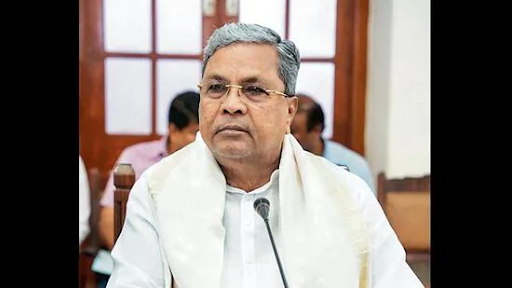
Chief Minister Siddaramaiah made the clarification on Thursday while speaking in Mysuru. He said the government would only continue practices that already existed and would not allow any new forms of religious attire inside educational institutions.
ALSO READ: After DMK's Udhayanidhi Stalin, TVK MLA VMS Mustafa supports eradication of Sanatan Dharma, details
The decision comes after the Congress government withdrew the 2022 order introduced during the BJP government’s tenure, which had effectively restricted hijabs in educational institutions. The move has once again reignited political debate in the state.
According to Siddaramaiah, uniforms will remain compulsory, but students can continue wearing certain faith-related items that have traditionally been part of their identity. “Saffron shawls are not allowed. Turbans, sacred thread, Shivadhara, rudraksha and hijab can be worn,” he said.
The hijab issue first surfaced in Udupi in 2022, when a group of Muslim students alleged they were denied entry into classrooms because they were wearing hijabs. What began as a local dispute soon turned into a national debate over religious freedom, dress codes, and discipline in educational institutions. The matter later reached the Supreme Court and is still awaiting a final hearing before a larger bench.
Critics say the decision weakens the very purpose of a uniform policy. If a common dress code exists to promote equality and avoid visible religious distinctions, they argue it should apply equally to everyone, without exceptions for any one religious identity.
The BJP criticised the Karnataka government’s latest move, saying uniform rules are meant to ensure equality among students. Union Minister Pralhad Joshi and Karnataka BJP president B. Y. Vijayendra accused the Congress government of encouraging identity politics inside campuses.
BJP spokesperson Shehzad Poonawalla also attacked the decision, describing it as “vote-bank politics.”
On the other hand, Jamaat-e-Islami Hind welcomed the move, saying it would help Muslim girls pursue education without fear or discrimination.The issue continues to spark strong reactions across the political spectrum, with supporters calling it a matter of religious freedom and critics arguing that educational spaces should remain free from visible religious distinctions.