A War Beyond Borders: Global Cost of US-Iran Conflict
NewsBharati 18-Jun-2026 14:39:00 PM
Total Views |


After more than 100 days of conflict, the United States and Iran have finally agreed to a ceasefire framework and a 14-point Memorandum of Understanding (MoU). The immediate danger of a wider regional war appears to have receded, the Strait of Hormuz is expected to reopen fully, and diplomacy has once again replaced missiles as the preferred instrument of engagement. But the most important question remains unanswered: what exactly has been achieved after holding the entire world hostage to uncertainty, economic disruption and the constant threat of escalation?
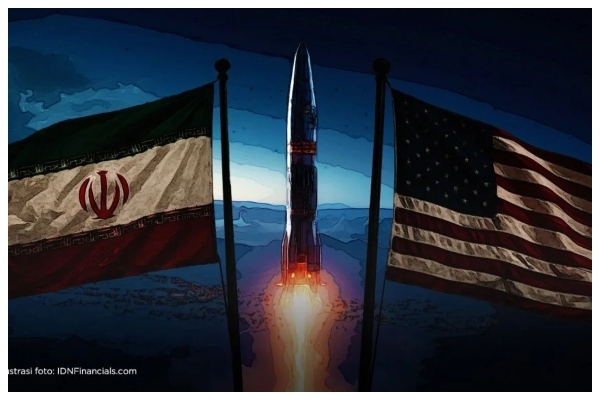 The war was never merely a bilateral confrontation. It threatened global energy supplies, disrupted international shipping, increased oil prices and created anxiety across continents. The Strait of Hormuz, through which a significant portion of the world's oil trade passes, became a pressure point for the global economy. Countries far removed from the conflict paid the price through inflation, supply-chain disruptions and energy insecurity.
Viewed from this perspective, the ceasefire is welcome. But it also invites uncomfortable questions about the purpose of the war itself. The United States entered the conflict claiming concerns over Iran's nuclear programme and regional activities. However, the final agreement appears to postpone rather than conclusively resolve many of those issues. Iran has reaffirmed that it will not pursue nuclear weapons and has agreed to international oversight under the International Atomic Energy Agency (IAEA), but several critical questions regarding enrichment, stockpiles and long-term verification remain subjects for future negotiations.
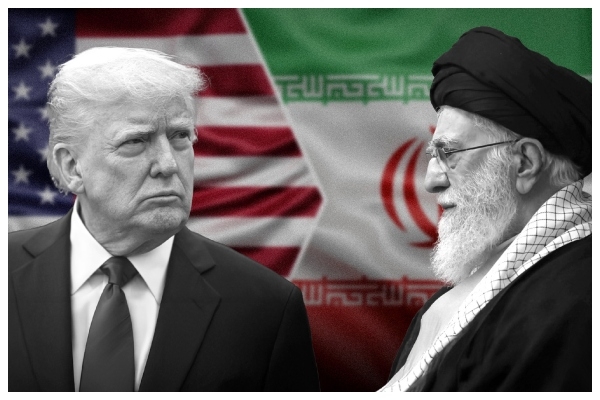
If the central issues remain unresolved and require another sixty days of negotiations, critics are justified in asking whether military confrontation was necessary in the first place. The agreement seems to acknowledge what many observers argued from the beginning: that there was no military solution and that eventual diplomacy was unavoidable. This reality also raises questions about American authority under President Donald Trump. Washington remains the world's most powerful military force, but power is not measured only by the ability to launch strikes. It is also measured by the ability to shape outcomes. The fact that the United States had to return to negotiations after months of conflict may create an impression that military superiority alone could not secure a decisive political victory.
Trump's supporters will argue that pressure forced Iran to the negotiating table. His critics, however, will point out that the war inflicted enormous costs only to produce a framework that resembles many proposals available through diplomacy months earlier. The reopening of Hormuz, sanctions discussions and nuclear negotiations are all objectives that could arguably have been pursued without risking regional instability. Iran, meanwhile, cannot claim an unqualified victory either. Its economy has suffered tremendously. Infrastructure damage, economic uncertainty, sanctions-related pressures and the costs of prolonged mobilization have weakened the country. Even if Tehran presents the agreement as proof of resilience against American pressure, the economic and strategic burden has been substantial.
The agreement itself contains several important provisions. It calls for an immediate end to military operations, the reopening of the Strait of Hormuz, a phased removal of the US naval blockade, future negotiations on sanctions relief, international oversight of nuclear commitments and the establishment of a mechanism to supervise implementation. It also envisages a broader settlement that could eventually be endorsed through a binding United Nations Security Council resolution.
These provisions are significant because they create a pathway toward de-escalation. However, pathways are not destinations. Much depends on political will, mutual trust and verification mechanisms. History offers many examples of ceasefires that collapsed because underlying disputes remained unresolved.
The role of the United Nations deserves particular scrutiny. Throughout the conflict, the UN repeatedly appealed for restraint, dialogue and adherence to international law. Secretary-General António Guterres welcomed the peace agreement and called it a critical step toward ending the conflict. However, many observers will ask whether the UN has become little more than a spectator in major geopolitical crises. The organization issued statements, facilitated humanitarian concerns and encouraged negotiations, but it was regional powers and direct negotiations that ultimately shaped the agreement. The inability of the UN to prevent war or enforce peace reinforces a perception that its relevance has diminished in an era where major powers often act unilaterally. That criticism may be harsh, but it reflects a growing global sentiment. The UN remains an important moral and diplomatic forum but its practical influence often appears constrained by the interests of powerful states.
The world can welcome the silence of the guns while still asking whether the suffering, destruction and global uncertainty were necessary. If diplomacy was the final answer, one is entitled to wonder why it took months of warfare to arrive there. The true test of this agreement will not be the signatures on a memorandum. It will be whether it creates a durable peace. If it fails, the war will be remembered as a costly pause between conflicts. If it succeeds, it may serve as a reminder that even the most bitter adversaries eventually discover that dialogue is cheaper than war.
Viewed from this perspective, the ceasefire is welcome. But it also invites uncomfortable questions about the purpose of the war itself. The United States entered the conflict claiming concerns over Iran's nuclear programme and regional activities. However, the final agreement appears to postpone rather than conclusively resolve many of those issues. Iran has reaffirmed that it will not pursue nuclear weapons and has agreed to international oversight under the International Atomic Energy Agency (IAEA), but several critical questions regarding enrichment, stockpiles and long-term verification remain subjects for future negotiations.
ALSO READ: After 'Sar Tan Se Juda', another school in Jalna shows minors in burqa dancing to an Islamic song, video viral
Trump's supporters will argue that pressure forced Iran to the negotiating table. His critics, however, will point out that the war inflicted enormous costs only to produce a framework that resembles many proposals available through diplomacy months earlier. The reopening of Hormuz, sanctions discussions and nuclear negotiations are all objectives that could arguably have been pursued without risking regional instability. Iran, meanwhile, cannot claim an unqualified victory either. Its economy has suffered tremendously. Infrastructure damage, economic uncertainty, sanctions-related pressures and the costs of prolonged mobilization have weakened the country. Even if Tehran presents the agreement as proof of resilience against American pressure, the economic and strategic burden has been substantial.
The damage to both countries extends beyond economics. Thousands have reportedly been killed or displaced across the broader theatre of conflict. Regional stability has been shaken. Investor confidence has suffered. The psychological impact of living under the shadow of war cannot be measured merely through statistics.
The agreement itself contains several important provisions. It calls for an immediate end to military operations, the reopening of the Strait of Hormuz, a phased removal of the US naval blockade, future negotiations on sanctions relief, international oversight of nuclear commitments and the establishment of a mechanism to supervise implementation. It also envisages a broader settlement that could eventually be endorsed through a binding United Nations Security Council resolution.
These provisions are significant because they create a pathway toward de-escalation. However, pathways are not destinations. Much depends on political will, mutual trust and verification mechanisms. History offers many examples of ceasefires that collapsed because underlying disputes remained unresolved.
ALSO READ: Madras HC stays construction of church close to a temple in Coimbatore, says bad intentions can't be ruled out
The world can welcome the silence of the guns while still asking whether the suffering, destruction and global uncertainty were necessary. If diplomacy was the final answer, one is entitled to wonder why it took months of warfare to arrive there. The true test of this agreement will not be the signatures on a memorandum. It will be whether it creates a durable peace. If it fails, the war will be remembered as a costly pause between conflicts. If it succeeds, it may serve as a reminder that even the most bitter adversaries eventually discover that dialogue is cheaper than war.

Editor's Desk
Editor's Desk