Uddhav's Sena: Legacy Without Leadership
It is the culmination of years of ideological drift, organizational neglect and leadership failures.
NewsBharati 19-Jun-2026 15:22:00 PM
Total Views |


The reported decision of six Members of Parliament from Shiv Sena (UBT) to join the camp led by Maharashtra Deputy Chief Minister Eknath Shinde is not merely another political setback. It is a devastating blow to Uddhav Thackeray personally and a confirmation of a political reality that has been visible for years. The latest exodus is not an isolated event. It is the continuation of a process that began the day Uddhav decided to abandon the ideological foundations on which Bal Thackeray built the Shiv Sena. The inevitable has finally happened.
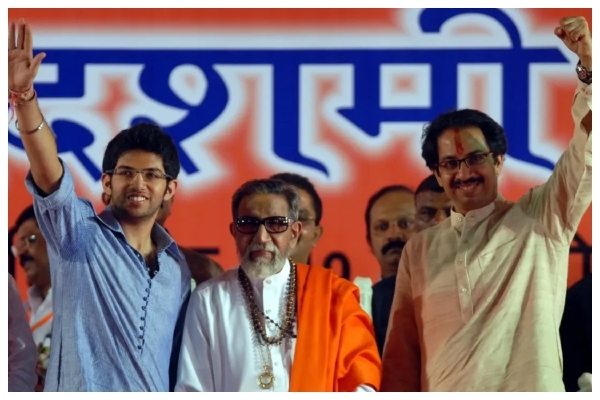 The decision may have made Uddhav Thackeray the Chief Minister of Maharashtra, but it came at an enormous political cost. For ordinary Shiv Sainiks, it was difficult to digest. The cadre had fought elections for years on a Hindutva platform. Suddenly, they were expected to defend an alliance with ideological rivals. The contradiction was too glaring to be ignored.
Many workers remained loyal to Uddhav for emotional reasons and because of their attachment to the Thackeray family. But loyalty and political conviction are not the same thing. The ideological confusion weakened the party from within. The rank and file felt disconnected from a leadership that seemed more interested in preserving power than preserving identity.
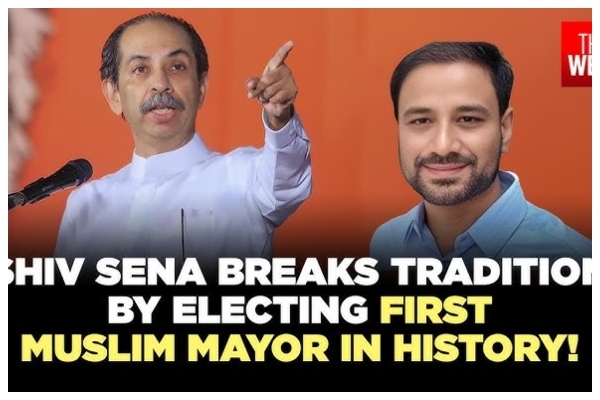
The situation was further complicated by the emergence of a new power centre around Aaditya Thackeray. Many party workers privately complain that decision-making became concentrated among a small group disconnected from traditional Shiv Sena politics. Surrounded by admirers rather than experienced political strategists, the younger leadership often appeared more comfortable with image management than organizational rebuilding. Reports emerging from Matoshree over the past several months have repeatedly suggested that all was not well within the party. The latest developments merely confirm those suspicions.
What is perhaps most striking is the complete absence of political course correction. The humiliating defeat in the Maharashtra Assembly elections should have triggered serious introspection. It did not. The poor performance in the Brihanmumbai Municipal Corporation elections should have served as another warning. It was ignored. The party's weak presence in civic body elections across Maharashtra further exposed its shrinking influence. But there was little evidence of organizational restructuring or ideological clarity. Today, as Shiv Sena completes sixty years of its existence, it finds itself suffering from political paralysis. The organization that once dominated Maharashtra's political discourse now appears uncertain of its purpose, leadership and future direction.
The tragedy for Uddhav Thackeray is that many of these problems were avoidable. Political setbacks can be overcome. Electoral defeats can be reversed. But when a party loses its ideological compass and disconnects from its cadre, recovery becomes much more difficult. The ongoing split also revives a larger debate about dynastic politics in India. Political inheritance may provide legitimacy initially, but it cannot substitute leadership. Parties built around family entitlement often struggle when confronted with changing political realities. The belief that leadership can simply be transferred from one generation to another has repeatedly failed across Indian politics.
Shiv Sena's current crisis is a textbook example. Bal Thackeray's legacy was inherited, but his political instincts, mass connect and organizational authority could not be inherited automatically. Those qualities have to be earned. The latest rebellion by MPs therefore should not be viewed as a sudden event. It is the culmination of years of ideological drift, organizational neglect and leadership failures. The warning signs were visible long ago. They were ignored. Now the bill has arrived.
The split in Shiv Sena (UBT) is not just another chapter in Maharashtra's politics. It is a reminder that parties survive on ideology, organization and leadership and not merely on legacy. Uddhav Thackeray's political journey after Bal Thackeray's demise steadily weakened all three pillars. The result is before everyone to see. What was inevitable has finally become reality.
Splits and rebellions are not new to Shiv Sena. The party witnessed major departures even during the era of Bal Thackeray. Leaders such as Chhagan Bhujbal, Narayan Rane and later Raj Thackeray walked out of the organization. However, those episodes never threatened the very existence of the Sena because Bal Thackeray's authority over the party remained unquestioned. The rebellion led by Eknath Shinde was fundamentally different. It virtually split the party down the middle and challenged the leadership of Uddhav Thackeray itself. That distinction is important.
For decades, Shiv Sena was not just a political party. It was a movement driven by a ideological identity, strong organizational discipline and an emotional bond between the leadership and grassroots workers. Bal Thackeray transformed the Sena into a formidable force by combining Marathi pride with an unapologetic Hindutva position. The problem began after Balasaheb's demise. Instead of strengthening the ideological foundations of the party, Uddhav Thackeray gradually transformed the Sena into a personality-centric organization lacking both political direction and organizational energy. Unlike his father, Uddhav lacked the charisma to inspire the masses and the organizational skills to hold the party together. The turning point came in 2019 when Shiv Sena abandoned its long-standing alliance with the BJP and joined hands with parties it had opposed for decades.
Many workers remained loyal to Uddhav for emotional reasons and because of their attachment to the Thackeray family. But loyalty and political conviction are not the same thing. The ideological confusion weakened the party from within. The rank and file felt disconnected from a leadership that seemed more interested in preserving power than preserving identity.
The consequences were dramatic. Indian politics had rarely witnessed when a large section of legislators belonging to a ruling party resigned enmasse and joined the opposition camp to bring down their own government. The rebellion led by Eknath Shinde was unprecedented. It was not merely a struggle for power. It reflected a deeper ideological and organizational crisis within the Sena. But Uddhav appeared unwilling to introspect.
His style of functioning has often been described as aristocratic and detached. Unlike leaders who constantly travel, interact with workers and maintain direct contact with the grassroots, Uddhav remained confined to a limited circle. His political engagement increasingly appeared restricted to Matoshree and carefully managed interactions. The result was predictable. The leadership lost touch with ground realities while discontent continued to grow within the organization.
The situation was further complicated by the emergence of a new power centre around Aaditya Thackeray. Many party workers privately complain that decision-making became concentrated among a small group disconnected from traditional Shiv Sena politics. Surrounded by admirers rather than experienced political strategists, the younger leadership often appeared more comfortable with image management than organizational rebuilding. Reports emerging from Matoshree over the past several months have repeatedly suggested that all was not well within the party. The latest developments merely confirm those suspicions.
What is perhaps most striking is the complete absence of political course correction. The humiliating defeat in the Maharashtra Assembly elections should have triggered serious introspection. It did not. The poor performance in the Brihanmumbai Municipal Corporation elections should have served as another warning. It was ignored. The party's weak presence in civic body elections across Maharashtra further exposed its shrinking influence. But there was little evidence of organizational restructuring or ideological clarity. Today, as Shiv Sena completes sixty years of its existence, it finds itself suffering from political paralysis. The organization that once dominated Maharashtra's political discourse now appears uncertain of its purpose, leadership and future direction.
Shiv Sena's current crisis is a textbook example. Bal Thackeray's legacy was inherited, but his political instincts, mass connect and organizational authority could not be inherited automatically. Those qualities have to be earned. The latest rebellion by MPs therefore should not be viewed as a sudden event. It is the culmination of years of ideological drift, organizational neglect and leadership failures. The warning signs were visible long ago. They were ignored. Now the bill has arrived.
The split in Shiv Sena (UBT) is not just another chapter in Maharashtra's politics. It is a reminder that parties survive on ideology, organization and leadership and not merely on legacy. Uddhav Thackeray's political journey after Bal Thackeray's demise steadily weakened all three pillars. The result is before everyone to see. What was inevitable has finally become reality.

Editor's Desk
Editor's Desk