`Mafiveer' Rahul
India needs an opposition that studies files before making charges, presents evidence before making accusations, and treats public discourse with the seriousness it deserves.
NewsBharati 25-Jun-2026 15:42:50 PM
Total Views |


Lok Sabha Leader of Opposition Rahul Gandhi has once again found himself expressing regret in court. This time, before the Madhya Pradesh High Court, he filed an application apologising for dragging Kartikeya Singh Chouhan, son of former Chief Minister Shivraj Singh Chouhan, into the Panama Papers controversy during an election rally in 2018. The explanation offered was remarkable. Rahul was "confused" and had actually intended to refer to the son of another BJP leader.
 Eight years, multiple court appearances and substantial legal expenses later, the matter has reached a familiar conclusion. But the significance of this episode lies beyond the apology itself. Politicians can make mistakes. Public life is demanding, and errors do occur. The real issue is that such apologies have become a recurring feature of Rahul Gandhi's politics.
The Panama Papers episode is only the latest example. During the 2018 Madhya Pradesh Assembly campaign, Rahul Gandhi alleged at a public rally that Shivraj Singh Chouhan's son was named in the Panama Papers. The allegation was factually incorrect. A criminal defamation case followed. Now, eight years later, the defence remains that the statement resulted from confusion.
The same pattern was visible during the Rafale controversy. "Chowkidar Chor Hai" became the central slogan of the Congress campaign. Rahul Gandhi repeatedly claimed that the Supreme Court had effectively endorsed his position. The Court itself objected to this interpretation and pulled him up for wrongly attributing the slogan to its observations. Eventually, he filed a clarification and expressed regret before the apex court.
Then there was the 2019 "Modi surname" remark. A political attack intended to target the Prime Minister ended up being framed in a manner that invited legal consequences. The resulting defamation case led to conviction by a Surat court and temporary disqualification from Parliament. While the Supreme Court later stayed the conviction, it also advised greater caution in public speech. For a leader with decades in politics and multiple terms in Parliament, such reminders should not be necessary.
Perhaps the most revealing example came much earlier. In 2013, as Congress Vice President, Rahul Gandhi publicly described his own government's ordinance as "complete nonsense" and dramatically tore up a copy before television cameras while the Prime Minister was abroad. Many applauded the gesture as bold politics. In reality, it exposed a deeper problem. Political courage is challenging bad policy. Political immaturity is humiliating one's own government for a moment of media spectacle.
Taken individually, each episode may appear defensible. Together, however, they reveal a larger issue, which is an inability to appreciate the weight of public words and the responsibilities attached to high office.
Rahul Gandhi entered active politics in 2004. Since then, he has served as Member of Parliament, Congress General Secretary, Vice President, Party President, and now Leader of Opposition. Twenty-five years in politics is enough time for any leader to learn the difference between allegation and evidence, rhetoric and responsibility, activism and leadership. But the learning curve appears strangely absent.
A democracy requires a strong opposition. Governments become more accountable when challenged by informed, credible and evidence-based criticism. But when allegations are made casually and dramatically, genuine criticism loses force. Voters begin to treat every accusation as political theatre. Real issues get buried beneath exaggerated claims. In that sense, reckless opposition politics ultimately benefits the ruling party rather than weakening it.
The damage is also institutional. The Leader of Opposition occupies one of the most important constitutional positions in India's democracy. The standard expected from such an office cannot be the standard of a television debate or a social media campaign. Facts must be verified. Accusations must be supported. Public statements must withstand scrutiny.
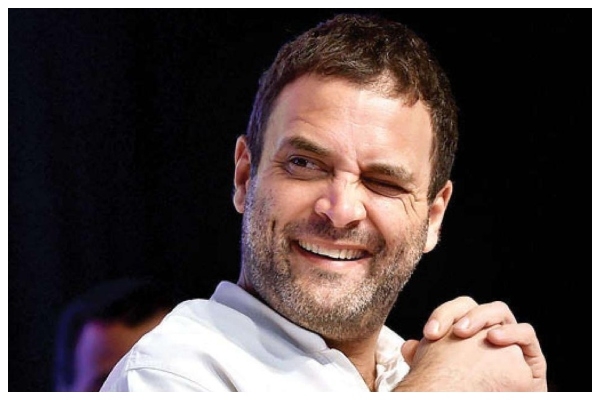
Unfortunately, Rahul Gandhi's political career has too often been characterised by optics rather than gravitas. Whether it was tearing up an ordinance, hugging the Prime Minister in Parliament and winking moments later, or making allegations that eventually require legal clarification, the recurring impression is of a leader more comfortable generating headlines than building credibility.
This is not a debate about ideology. Governments deserve criticism. The BJP has faced criticism on numerous issues and will continue to do so. The question is whether the principal opposition leader is enhancing the quality of democratic debate or reducing it to a series of slogans and accusations.
At fifty-plus and after a quarter-century in politics, age and inexperience can no longer serve as explanations. Rahul Gandhi inherited advantages that few politicians anywhere in the world enjoy: a nationally recognised name, an established party organisation, access to resources, and unparalleled visibility. Yet despite these advantages, his public image continues to be shaped less by achievements than by controversies that end in clarification.
The Madhya Pradesh High Court may accept his expression of regret. The legal chapter may close. But the political question remains unanswered. How many times can a national leader claim confusion before voters begin to question competence itself?
India needs an opposition that studies files before making charges, presents evidence before making accusations, and treats public discourse with the seriousness it deserves. A mature democracy cannot thrive on a cycle of allegation, clarification and apology. This episode is not merely about a mistaken statement made during an election campaign. It raises serious questions about Rahul Gandhi's suitability as a leader. Leadership demands judgment, responsibility and respect for facts, especially when making allegations that can damage reputations. A person seeking the highest offices in the country cannot afford to treat serious accusations casually and then seek refuge in confusion years later. The Panama Papers episode reinforces a concern that has repeatedly surfaced in Rahul Gandhi's political career a tendency to make sensational claims first and verify facts later. An apology may dispose of a legal matter, but it cannot erase doubts about the credibility, seriousness and judgment expected of a leader.
Over the last two decades, a distinct pattern has emerged. A sensational allegation is made. It generates headlines and political controversy. Questions are then raised about its factual basis. Legal or institutional scrutiny follows. Finally comes a clarification, a modification, an expression of regret, or an apology. The cycle repeats.
The Panama Papers episode is only the latest example. During the 2018 Madhya Pradesh Assembly campaign, Rahul Gandhi alleged at a public rally that Shivraj Singh Chouhan's son was named in the Panama Papers. The allegation was factually incorrect. A criminal defamation case followed. Now, eight years later, the defence remains that the statement resulted from confusion.
ALSO READ: Emergency: Not Accidental But Logical Outcome of Congress's Culture
Then there was the 2019 "Modi surname" remark. A political attack intended to target the Prime Minister ended up being framed in a manner that invited legal consequences. The resulting defamation case led to conviction by a Surat court and temporary disqualification from Parliament. While the Supreme Court later stayed the conviction, it also advised greater caution in public speech. For a leader with decades in politics and multiple terms in Parliament, such reminders should not be necessary.
Perhaps the most revealing example came much earlier. In 2013, as Congress Vice President, Rahul Gandhi publicly described his own government's ordinance as "complete nonsense" and dramatically tore up a copy before television cameras while the Prime Minister was abroad. Many applauded the gesture as bold politics. In reality, it exposed a deeper problem. Political courage is challenging bad policy. Political immaturity is humiliating one's own government for a moment of media spectacle.
Taken individually, each episode may appear defensible. Together, however, they reveal a larger issue, which is an inability to appreciate the weight of public words and the responsibilities attached to high office.
Rahul Gandhi entered active politics in 2004. Since then, he has served as Member of Parliament, Congress General Secretary, Vice President, Party President, and now Leader of Opposition. Twenty-five years in politics is enough time for any leader to learn the difference between allegation and evidence, rhetoric and responsibility, activism and leadership. But the learning curve appears strangely absent.
Confusion has repeatedly become an explanation. In one case, the wrong individual was named. In another, judicial observations were incorrectly interpreted. In yet another, controversial remarks required later clarification. At some point, "I was confused" ceases to be an explanation and begins to look like a pattern. This matters because the consequences extend beyond one politician's reputation.
A democracy requires a strong opposition. Governments become more accountable when challenged by informed, credible and evidence-based criticism. But when allegations are made casually and dramatically, genuine criticism loses force. Voters begin to treat every accusation as political theatre. Real issues get buried beneath exaggerated claims. In that sense, reckless opposition politics ultimately benefits the ruling party rather than weakening it.
The damage is also institutional. The Leader of Opposition occupies one of the most important constitutional positions in India's democracy. The standard expected from such an office cannot be the standard of a television debate or a social media campaign. Facts must be verified. Accusations must be supported. Public statements must withstand scrutiny.
This is not a debate about ideology. Governments deserve criticism. The BJP has faced criticism on numerous issues and will continue to do so. The question is whether the principal opposition leader is enhancing the quality of democratic debate or reducing it to a series of slogans and accusations.
At fifty-plus and after a quarter-century in politics, age and inexperience can no longer serve as explanations. Rahul Gandhi inherited advantages that few politicians anywhere in the world enjoy: a nationally recognised name, an established party organisation, access to resources, and unparalleled visibility. Yet despite these advantages, his public image continues to be shaped less by achievements than by controversies that end in clarification.
The Madhya Pradesh High Court may accept his expression of regret. The legal chapter may close. But the political question remains unanswered. How many times can a national leader claim confusion before voters begin to question competence itself?
India needs an opposition that studies files before making charges, presents evidence before making accusations, and treats public discourse with the seriousness it deserves. A mature democracy cannot thrive on a cycle of allegation, clarification and apology. This episode is not merely about a mistaken statement made during an election campaign. It raises serious questions about Rahul Gandhi's suitability as a leader. Leadership demands judgment, responsibility and respect for facts, especially when making allegations that can damage reputations. A person seeking the highest offices in the country cannot afford to treat serious accusations casually and then seek refuge in confusion years later. The Panama Papers episode reinforces a concern that has repeatedly surfaced in Rahul Gandhi's political career a tendency to make sensational claims first and verify facts later. An apology may dispose of a legal matter, but it cannot erase doubts about the credibility, seriousness and judgment expected of a leader.

Editor's Desk
Editor's Desk