UAE in talks to buy India's BrahMos, Akashteer systems as Operation Sindoor boosts global demand of indigenous weapons
The United Arab Emirates (UAE) is reportedly in talks with India to acquire the BrahMos supersonic cruise missile and the Akashteer air defence command system, reflecting the growing global interest in India"s indigenous military technology.
Total Views |


The United Arab Emirates is in discussions with India to procure two of its most advanced indigenous defence systems, the BrahMos supersonic cruise missile and the Akashteer air defence command and control system as Gulf nations increasingly look to diversify their military partnerships and strengthen their own defence capabilities.
According to reports, the proposed acquisition forms part of the expanding defence cooperation between India and the UAE, which has grown steadily since the two countries signed a Comprehensive Strategic Partnership in 2017. Earlier this year, both nations also signed a Letter of Intent to establish a Strategic Defence Partnership Framework Agreement aimed at enhancing collaboration in defence manufacturing, advanced military technologies, counter-terrorism and interoperability.
Why the UAE is looking towards India
The reported interest comes in the aftermath of the recent Iran-Israel conflict, during which several Gulf countries witnessed the vulnerability of the region amid ballistic missile and drone attacks. The conflict highlighted the need for countries in the Gulf to develop stronger indigenous defence capabilities instead of relying solely on foreign military deployments.
🚨 HUGE DEFENCE EXPORT NEWS!
— The Analyzer (News Updates🗞️) (@Indian_Analyzer) June 23, 2026
India is in initial talks to sell the supersonic BrahMos missile to the UAE 💥
The potential deal may also include India’s advanced air defence system AKASHTEER.
If finalised, UAE would become the Fourth country after Philippines, Vietnam, &… pic.twitter.com/69A8l39D16
Against this backdrop, the UAE is exploring advanced military systems that offer high capability, operational reliability and cost-effectiveness. India has increasingly emerged as an attractive defence supplier, offering modern indigenous weapons at significantly lower costs than many comparable Western systems.
BrahMos: India's flagship missile export
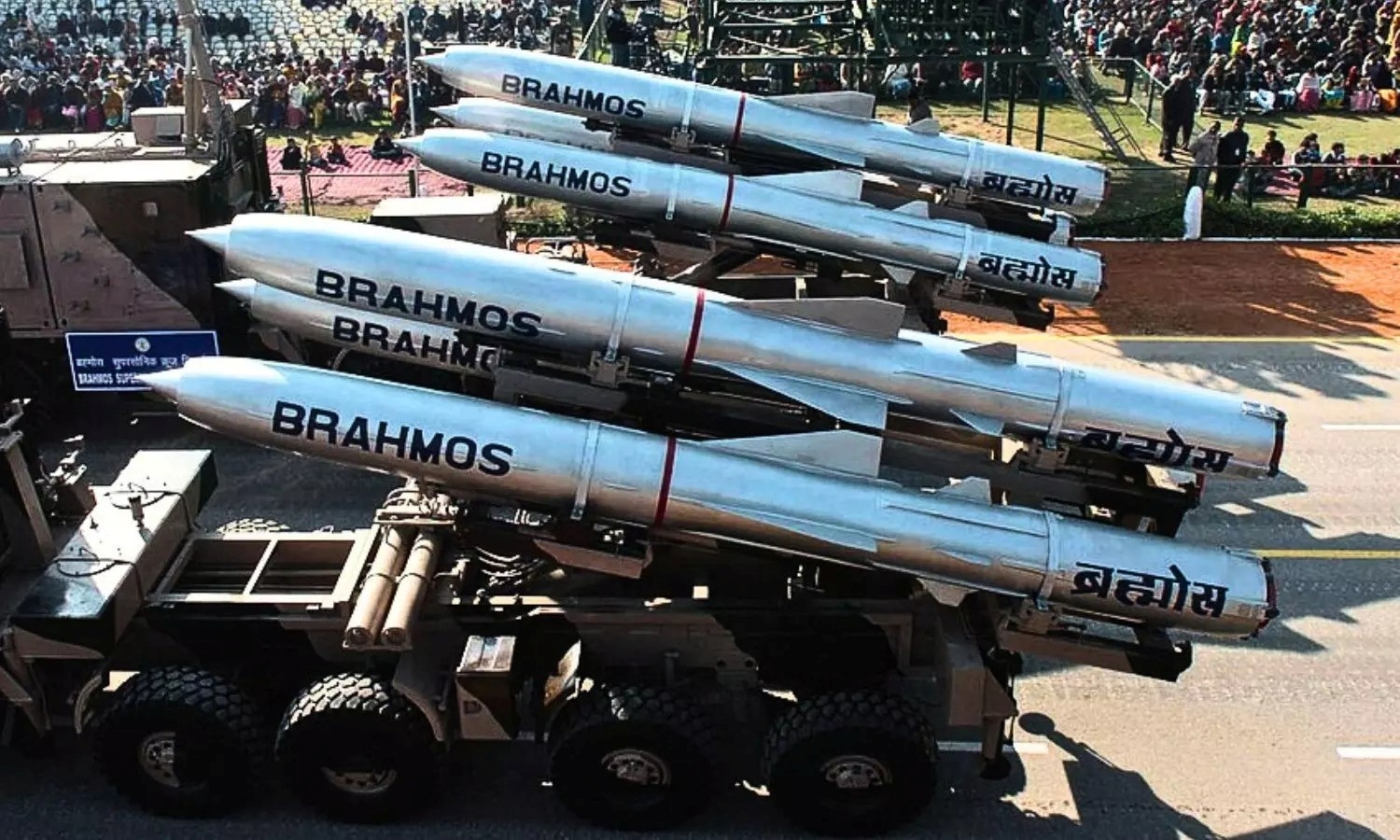
One of the key systems under discussion is the BrahMos supersonic cruise missile, jointly developed by the Defence Research and Development Organisation (DRDO) and Russia's NPO Mashinostroyenia.
Regarded as one of the world's fastest operational cruise missiles, BrahMos travels at nearly three times the speed of sound (Mach 2.8-3.0). It can be launched from land, sea, air and submarines and is capable of carrying a conventional warhead weighing between 200 and 300 kilograms.
The missile's fire-and-forget capability, combined with its low radar signature and high speed, makes it extremely difficult for adversaries to intercept.
ALSO READ : India’s indigenous TEJAS fighter jet to expand Air Force strength; all you need to know about it
Akashteer: AI-based air defence network
The second system attracting international attention is Akashteer, India's AI-enabled automated air defence command and reporting system.
Designed to detect, track and neutralise drones, missiles and hostile aircraft in real time, Akashteer integrates radar networks, satellite inputs and battlefield data into a single automated command platform. The system enables faster decision-making and coordinated responses against multiple aerial threats simultaneously.
Operation Sindoor enhanced India's defence credentials
Global interest in Indian defence equipment grew significantly following Operation Sindoor, India's precision military campaign against terror infrastructure in Pakistan in May 2025.
During the operation, BrahMos missiles reportedly carried out precision strikes on multiple Pakistani Air Force installations, demonstrating their speed, accuracy and operational effectiveness. The missile's performance attracted international attention and showcased India's long-range strike capabilities.
On the defensive front, Akashteer was deployed alongside the S-400 air defence system to counter waves of drones and missile attacks. According to officials, the integrated network successfully intercepted incoming threats, further strengthening confidence in India's indigenous air defence technology.
The operational success of both systems is widely seen as a major factor behind the growing international demand for Indian military equipment.
India's defence exports register record growth
India's defence exports have witnessed remarkable growth over the past decade. According to the Ministry of Defence, exports increased from Rs 686 crore in 2013-14 to a record Rs 38,424 crore in 2025-26, representing a 62 per cent increase over the previous financial year.
The country now exports defence equipment to more than 100 nations, while nearly 65 per cent of India's military hardware is manufactured domestically, reversing the heavy import dependence that existed a decade ago.
The government has set an ambitious target of achieving Rs 3 lakh crore in defence production and Rs 50,000 crore in defence exports by 2029.
Growing global interest in BrahMos
Until recently, the Philippines remained the only foreign buyer of the BrahMos missile after signing a $375 million agreement in 2022. Deliveries began in 2024 and continued in 2025.
Following Operation Sindoor, several countries have reportedly shown interest in acquiring the missile. Vietnam is said to be close to finalising a deal, while Indonesia has submitted a formal letter of interest. Countries including Thailand, Saudi Arabia, Qatar, Oman, Egypt, Brazil, Chile, Argentina, South Africa and Singapore have also reportedly explored the possibility of purchasing the system.
The UAE's reported interest is considered particularly significant because of the country's large defence budget and strategic importance in the Gulf region.
Changing security priorities in the Gulf
For decades, Gulf countries relied heavily on the United States and other Western nations for their security architecture. However, recent regional conflicts have prompted several countries to strengthen their own defence capabilities and diversify their military procurement.
If the ongoing discussions result in a formal agreement, the proposed deal would mark another milestone for India's expanding defence exports and reinforce the country's emergence as a major supplier of advanced indigenous military technology in the global defence market.