Before Judging India, Read India
Perhaps that is the lesson Kunal Shah should reflect upon. Before concluding that India lacks the vocabulary of efficiency, it would be worthwhile understanding the civilization that produced concepts such as dharma, kartavya and self-restraint thousands of years before modern management theories were born.
NewsBharati 27-Jun-2026 13:07:01 PM
Total Views |


Corporate executives often make sweeping observations. It is almost part of the job description. But occasionally, the confidence exceeds the homework. Newly appointed WhatsApp CEO Kunal Shah appears to have done exactly that when he declared that Indian languages do not have words for "efficiency" and "productivity," adding that Indians do not value time as much as other societies. The remark, made during the Groww India Investor Festival while discussing youngsters' addiction to social media reels, sounded authoritative. It was also spectacularly uninformed.
But the real issue is not vocabulary. It is philosophy.
Shah's statement reflects a worldview in which efficiency and productivity are treated as universal and timeless measures of civilization. They are neither. These concepts, in their modern sense, are products of the industrial revolution. As factories transformed Europe, maximum output in minimum time became the defining principle of economic life. Human beings increasingly came to be viewed as economic units whose value could be measured by production, consumption and material success. The vocabulary of efficiency naturally flourished because industrial society demanded it.
The industrial revolution undoubtedly transformed the world. It accelerated technological progress, expanded commerce and created unprecedented wealth. But it also reshaped the understanding of the human person. Material prosperity became the principal measure of progress. The body and its economic needs increasingly overshadowed every other dimension of human existence.
This distinction explains why it is misleading to evaluate an ancient civilization using concepts that acquired their present meanings only in the nineteenth and twentieth centuries. Even in English, "efficiency" and "productivity" became management terms relatively recently. To argue that India lacked these values because it did not historically employ identical terminology is to mistake language for philosophy.
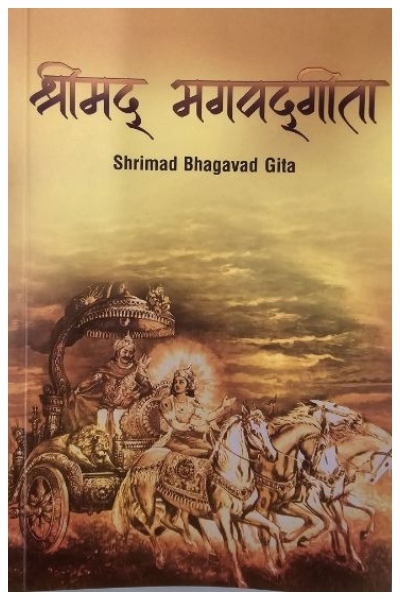
Indian thought articulated something far deeper and that is `kartavya', or duty. A person committed to duty naturally becomes disciplined, efficient and productive. These are outcomes, not objectives. The Bhagavad Gita never instructs an individual to maximise productivity. It asks him to perform his duty with excellence, sincerity and detachment from personal gain. Such an outlook creates efficiency without reducing human beings to machines.
Modern civilization often reverses this order. Productivity becomes the supreme virtue, while ethics become negotiable. The relentless pursuit of economic growth has undoubtedly generated prosperity, but it has also fuelled consumerism, imperial expansion, colonial exploitation, environmental degradation and widespread social alienation. Increasingly, even Western societies are questioning whether endless material growth alone can provide meaning or happiness.
This is why Shah's remarks deserve attention. Not because they reveal anything profound about India, but because they reveal a familiar intellectual tendency among sections of India's educated elite. Too often, Western categories are accepted as universal benchmarks, while India's own civilizational framework is either ignored or dismissed. The result is intellectual self-forgetfulness. Instead of studying their own tradition on its own terms, many Indians become eager critics of a civilization they scarcely understand.
Nityananda Misra's intervention is therefore important for reasons that go well beyond linguistics. His rebuttal reminds us that civilizations cannot be judged merely by dictionaries or management jargon. They must be understood through their underlying philosophy. India did not reject efficiency; it looks at it as a fruit of duty. It did not deny productivity; it looks it as the natural consequence of disciplined duty rather than the ultimate goal of life.
India's younger generation should certainly embrace innovation, entrepreneurship and technological excellence. But it should do so without surrendering its civilizational confidence. The world today is not searching merely for more productive individuals. It is searching for responsible societies, ethical leadership and sustainable ways of living. On those questions, Indian philosophy has much to teach not because it is ancient, but because it recognises dimensions of human life that modern materialism too often overlooks.
Perhaps that is the lesson Kunal Shah should reflect upon. Before concluding that India lacks the vocabulary of efficiency, it would be worthwhile understanding the civilization that produced concepts such as dharma, kartavya and self-restraint thousands of years before modern management theories were born. A civilization that teaches duty before rights and character before consumption hardly needs lectures on productivity. Efficiency is important. But when detached from ethics and higher purpose, it can produce efficient machines rather than better human beings. India chose a different path. That choice deserves understanding before it is dismissed.
The irony could not have been richer. The man who lamented India's alleged linguistic poverty was promptly answered not by a management consultant or corporate strategist but by a Sanskrit scholar. Nityananda Misra dismantled Shah's claim with little more than standard dictionaries and a basic knowledge of Indian languages. He listed Sanskrit derived terms such as karya kushalata, dakshata, nipunata and kshamata for efficiency, and utpadakata and utpadanakshamata for productivity. If words were the issue, the debate should have ended there.
ALSO READ: Nationwide 'churches' plan protest 'Sunday prayer' against changed FCRA rules, calling it 'impingement upon freedom of religion'; all that you need to know
But Misra went further. He challenged the more sweeping assertion that Indians do not value time. The Sanskrit word Samayika itself conveys punctuality, precision and timeliness. The Mahabharata repeatedly emphasizes the importance of acting at the right time. And then there is Kabir's immortal advice: "Kal kare so aaj kar, aaj kare so ab." Few cultures have expressed the urgency of action more memorably. One suspects that before pronouncing judgment on an ancient civilization, it helps to spend some time reading it.
But the real issue is not vocabulary. It is philosophy.
Shah's statement reflects a worldview in which efficiency and productivity are treated as universal and timeless measures of civilization. They are neither. These concepts, in their modern sense, are products of the industrial revolution. As factories transformed Europe, maximum output in minimum time became the defining principle of economic life. Human beings increasingly came to be viewed as economic units whose value could be measured by production, consumption and material success. The vocabulary of efficiency naturally flourished because industrial society demanded it.
The industrial revolution undoubtedly transformed the world. It accelerated technological progress, expanded commerce and created unprecedented wealth. But it also reshaped the understanding of the human person. Material prosperity became the principal measure of progress. The body and its economic needs increasingly overshadowed every other dimension of human existence.
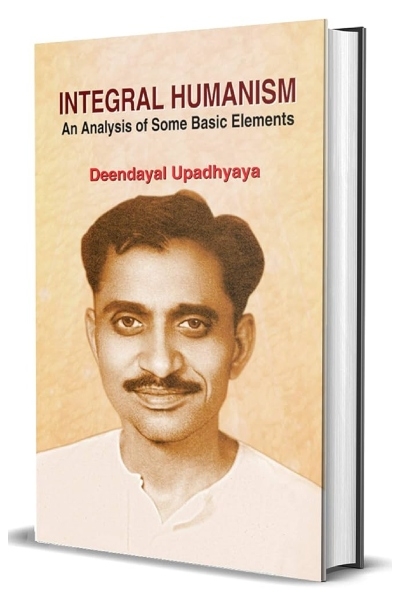
Indian civilization begins from an altogether different premise. It refuses to reduce man to merely a producer or consumer. Human life is understood as an integrated whole consisting of body, mind, intellect and soul. Material well-being is necessary, but it is never the ultimate objective. Wealth is to be pursued, but within the discipline of dharma. Consumption is recognised, but restraint is celebrated. Progress is measured not merely by accumulation but by character.
This distinction explains why it is misleading to evaluate an ancient civilization using concepts that acquired their present meanings only in the nineteenth and twentieth centuries. Even in English, "efficiency" and "productivity" became management terms relatively recently. To argue that India lacked these values because it did not historically employ identical terminology is to mistake language for philosophy.
Modern civilization often reverses this order. Productivity becomes the supreme virtue, while ethics become negotiable. The relentless pursuit of economic growth has undoubtedly generated prosperity, but it has also fuelled consumerism, imperial expansion, colonial exploitation, environmental degradation and widespread social alienation. Increasingly, even Western societies are questioning whether endless material growth alone can provide meaning or happiness.
This is why Shah's remarks deserve attention. Not because they reveal anything profound about India, but because they reveal a familiar intellectual tendency among sections of India's educated elite. Too often, Western categories are accepted as universal benchmarks, while India's own civilizational framework is either ignored or dismissed. The result is intellectual self-forgetfulness. Instead of studying their own tradition on its own terms, many Indians become eager critics of a civilization they scarcely understand.
India's younger generation should certainly embrace innovation, entrepreneurship and technological excellence. But it should do so without surrendering its civilizational confidence. The world today is not searching merely for more productive individuals. It is searching for responsible societies, ethical leadership and sustainable ways of living. On those questions, Indian philosophy has much to teach not because it is ancient, but because it recognises dimensions of human life that modern materialism too often overlooks.
Perhaps that is the lesson Kunal Shah should reflect upon. Before concluding that India lacks the vocabulary of efficiency, it would be worthwhile understanding the civilization that produced concepts such as dharma, kartavya and self-restraint thousands of years before modern management theories were born. A civilization that teaches duty before rights and character before consumption hardly needs lectures on productivity. Efficiency is important. But when detached from ethics and higher purpose, it can produce efficient machines rather than better human beings. India chose a different path. That choice deserves understanding before it is dismissed.

Editor's Desk
Editor's Desk