Bengal assembly set for UCC showdown as split TMC faces first major political test
The BJP government in West Bengal is set to table the Uniform Civil Code (UCC) Bill in the Assembly on Monday (June 29), setting the stage for a major political confrontation. While both factions of the divided Trinamool Congress (TMC) have announced their opposition to the legislation, the debate is also expected to become the first major test of strength between the rival camps led by Mamata Banerjee and Leader of Opposition Ritabrata Banerjee.
Total Views |


The West Bengal Assembly is expected to witness a heated debate on Monday (June 29) as the BJP government prepares to introduce the Uniform Civil Code (UCC) Bill, one of its key electoral promises.
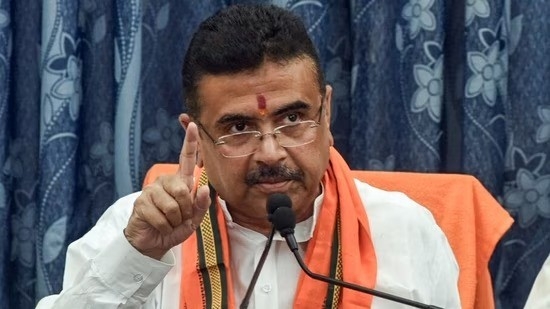
The proposed legislation seeks to establish a common legal framework for marriage, divorce, inheritance and adoption, replacing religion-based personal laws with a uniform set of laws applicable to all citizens. The BJP has consistently argued that the UCC would ensure equality before the law and eliminate discrimination arising from different personal laws.
#WATCH | Kolkata: On Uniform Civil Code in West Bengal, Union Minister Sukanta Majumdar says, The UCC has been a key part of the Bharatiya Janata Party's manifesto... Our government is working in accordance with our manifesto. As for the issues of 'Love Jihad' and 'Land Jihad'… pic.twitter.com/WCZJu0seez
— ANI (@ANI) June 29, 2026
The move comes less than two months after the BJP ended the Trinamool Congress's 15-year rule in the state and formed the government.
The Assembly debate is expected to be more than just a confrontation between the ruling BJP and the opposition. It is likely to expose the growing divisions within the Trinamool Congress following its electoral defeat.
Both the faction led by former Chief Minister Mamata Banerjee and the group led by Leader of Opposition Ritabrata Banerjee have announced plans to oppose the Bill. However, the two camps are reportedly preparing separate strategies and speakers for the debate, underlining the widening rift within the party.
Political observers believe the discussion could become the first major floor test for the rival factions as they seek to establish themselves as the true political heirs of the TMC.
According to party sources, Mamata Banerjee instructed her supporters during a meeting with legislators on Friday to oppose the legislation both inside and outside the Assembly.
VIDEO | Kolkata: A 'communally-coloured' step, says TMC MP Saugata Roy on West Bengal government tabling UCC Bill in Assembly.#UCC #BengalAssembly
— Press Trust of India (@PTI_News) June 29, 2026
(Full video available on PTI Videos - https://t.co/n147TvrpG7) pic.twitter.com/c2lKzk6GPf
Leaders close to her camp have argued that the proposed law raises concerns about constitutional values, social consensus and India's pluralistic character. The faction is expected to challenge the Bill on the grounds that such a far-reaching reform requires broader public consultation.
The rival faction led by Ritabrata Banerjee has also objected to the government's decision to bring the Bill before the Assembly.
Ritabrata Banerjee recently said that a matter as significant as the Uniform Civil Code requires extensive discussion and consultation before being implemented. His camp is expected to focus on the legislative process while opposing the Bill during the debate.
The UCC discussion is likely to provide the faction with an opportunity to showcase its strength in the Assembly and reinforce its claim as the principal opposition voice in the state.
The split within the Trinamool Congress became visible after the Assembly elections when 58 of the party's 80 MLAs reportedly backed Ritabrata Banerjee's claim to the post of Leader of Opposition instead of the nominee favoured by the party leadership.
The rebel camp now claims the support of nearly 65 legislators, making Monday's debate an important political moment for both factions.
The issue carries particular significance in West Bengal, especially in minority-dominated districts such as Murshidabad, Malda and parts of North Dinajpur.
Supporters of the UCC argue that a common legal code could strengthen legal rights related to marriage, divorce and inheritance, particularly for women. Opponents maintain that any such reform must emerge through consensus and consultation in a diverse society.
For the BJP government, the Bill represents a major ideological and legislative commitment. If passed, it would become one of the most significant reforms enacted by the state's first BJP administration.
With high political stakes for both the ruling party and the divided opposition, Monday's Assembly session is expected to be closely watched across the state and beyond.