Operation Blue Star: A carefully planned phenomenon?
NewsBharati 11-Jul-2026 15:52:16 PM
Total Views |


Congress came back to power in 1980 and started Operation 2, Sidhu writes. The plan, according to him, was to create a social environment of lack of trust between Hindus and Sikhs in Punjab and Haryana. The acts of Violence and Extremism were to be silently supported and quietly pretend to fail to notice them. Arranged an impressive coverage by the media, especially the vernacular press, which was also made to report and thus became in a way a part of the design. It was thought this would portray a picture of sikhs as a potential danger to the integrity of our nation.
_202607111557110716_H@@IGHT_400_W@@IDTH_700.jpg "Operation Blue Star")
This was to make the impression that Mrs Gandhi was sympathetic to their demands, but it was to prolong the conclusion. It was thought that Akali Leaders would be in a way forced to withdraw the agitation, even Bhindranwale would also be under pressure. The opposition, too, would think of strong action against him. The role of 1 Akbar Road ( PM'S office ) was very significant in the plan. The action was to be properly timed so that it would help in the next general elections ( 1985 ), in taking advantage of political gains. 1980, the Akali Dal and Janata Party coalition government was dismissed, and Congress returned to power. Zail Singh was made the CM. ( he was a part of the 1 Akabar Road team ) He compromised and adopted the interests of the party. Violence increased. Bhindranwale moved a step further; he was saved in the cases in which his name was mentioned.
During the conference in Chandigarh, it was announced that ' sikhs were a separate nation ' and they were not part of the Hindu mainstream. (Why was such a conference allowed to be organised? Is the question? This, in a way, started a competition between moderates and Khalistanis.
Ultimately, he was arrested after negotiations with him. He made a speech criticising the Punjab government, which resulted in firing by his followers and by the police, killing 7 persons. He was released in a few days, which Mark Tully and Jacob ( a welknown journalists ) described as ' surrendering justice to petty political gains'. This made Bhindranwale a hero.
Gradually, the era of terrorist activities started with this.
By 1980, a separate division, the R&AW, was started to deal with this. The author was asked to prepare stations in the Indian mission ( US and Canada ), specifically with the observations related to the leaning of sikhs to Khalistan. Thus, it would help the government to take suitable precautionary steps. As the author knew the reality, he prepared proposals based on ' fanciful ideas ' ( the words used by the author himself ) narrated by a Khalistan ideologue. All of them were accepted quickly, contrary to the author's expectation. He felt that it could not be cleared without the knowledge of the PM's office. It was also thought that Sikh officers needed to be appointed to make things easier.
Sidhu shares his experience on the proposals when an Indian Foreign Service officer was appointed; he was from Maharashtra and had very little knowledge of Punjab affairs. He was hesitant after the author's briefing; probably, he thought there was no such problem of Khalistan, though he couldn't give his remark in writing. Sidhu was asked to visit the US and Canada; he left in December 1981. He met his contacts. He was told that the Gurudwaras were in a way becoming the centres of religious orthodoxy, propaganda against the Government of India, and political discussions about the situation in Punjab. Gradually, it was picking up. The situation was changing significantly; he could meet a large number of locals of Indian origin. He noted his observations.
1) Slowly, the changing situation in Punjab pushed the moderates out of the Gurudwara management scenario.
2) The friendly relations between Hindus and Sikhs were influenced by the sequence of events in Punjab.
3) Some learned people were surprised to see the topic of Khalistan becoming a part of consideration, and Bhindranwale being patronised by Congress
The suggestions made by his contacts
1) The English and vernacular media need to exercise control over the news coverage
2) Bhindranwale's activities needed to be curbed.
3) Pro-Khalistani persons' visit to India should stop
4) Sevadars and Granthis going to the US and Canada were to be selected carefully to avoid further damage
5) Congress and Akali Dal leaders should visit openly to convey that everything would be done to bring normalcy to Punjab
6) Indian missions ought to organise joint meetings of Hindus and Sikhs
The author handed a carefully prepared note to Mr Kao, secretary of the R&AW. He was asked to hand it to Sharada Prasad, who managed the press and media.
Nothing changed,indian Media grew even more hateful in its approach. Many blamed Sikhs for the Khalsa. Rajasthan and Punjab were portrayed as not a place to visit, but some found that the relationship between Hindus and Sikhs should be harmonious. But propaganda prevailed and spread over the country.
Hindus were made to feel that they were at a loss. The situation was cautiously generated where the majority community (Hindus) would develop a feeling of disillusionment and discontent. They were made to feel that the integrity of the nation is challenged by Khalistanis. It was to gradually give rise to the feeling of retaliation, which would obviously imply strong action against Khalistanis. They clearly were to be labeled as communal and anti-national. Bhindranwale was to be offered some neglect till it reaches the point of strongest possible action; on the other hand, dialogue with the moderate Akali Dal leaders was to continue.
This was to make the impression that Mrs Gandhi was sympathetic to their demands, but it was to prolong the conclusion. It was thought that Akali Leaders would be in a way forced to withdraw the agitation, even Bhindranwale would also be under pressure. The opposition, too, would think of strong action against him. The role of 1 Akbar Road ( PM'S office ) was very significant in the plan. The action was to be properly timed so that it would help in the next general elections ( 1985 ), in taking advantage of political gains. 1980, the Akali Dal and Janata Party coalition government was dismissed, and Congress returned to power. Zail Singh was made the CM. ( he was a part of the 1 Akabar Road team ) He compromised and adopted the interests of the party. Violence increased. Bhindranwale moved a step further; he was saved in the cases in which his name was mentioned.
During the conference in Chandigarh, it was announced that ' sikhs were a separate nation ' and they were not part of the Hindu mainstream. (Why was such a conference allowed to be organised? Is the question? This, in a way, started a competition between moderates and Khalistanis.
9 September 1981, Lala Jagat Narain, the proprietor of the newspapers, who testified against Bhindranwale in the case of his clash with Nirankaris, was shot dead in Ludhiana. He couldn't be arrested as per Kuldip Nayar's claim that the Haryana chief minister was asked not to get involved in the case by Zail Singh himself. (Zail Singh was the union home minister then)
Ultimately, he was arrested after negotiations with him. He made a speech criticising the Punjab government, which resulted in firing by his followers and by the police, killing 7 persons. He was released in a few days, which Mark Tully and Jacob ( a welknown journalists ) described as ' surrendering justice to petty political gains'. This made Bhindranwale a hero.
Gradually, the era of terrorist activities started with this.
By 1980, a separate division, the R&AW, was started to deal with this. The author was asked to prepare stations in the Indian mission ( US and Canada ), specifically with the observations related to the leaning of sikhs to Khalistan. Thus, it would help the government to take suitable precautionary steps. As the author knew the reality, he prepared proposals based on ' fanciful ideas ' ( the words used by the author himself ) narrated by a Khalistan ideologue. All of them were accepted quickly, contrary to the author's expectation. He felt that it could not be cleared without the knowledge of the PM's office. It was also thought that Sikh officers needed to be appointed to make things easier.
Sidhu shares his experience on the proposals when an Indian Foreign Service officer was appointed; he was from Maharashtra and had very little knowledge of Punjab affairs. He was hesitant after the author's briefing; probably, he thought there was no such problem of Khalistan, though he couldn't give his remark in writing. Sidhu was asked to visit the US and Canada; he left in December 1981. He met his contacts. He was told that the Gurudwaras were in a way becoming the centres of religious orthodoxy, propaganda against the Government of India, and political discussions about the situation in Punjab. Gradually, it was picking up. The situation was changing significantly; he could meet a large number of locals of Indian origin. He noted his observations.
1) Slowly, the changing situation in Punjab pushed the moderates out of the Gurudwara management scenario.
2) The friendly relations between Hindus and Sikhs were influenced by the sequence of events in Punjab.
3) Some learned people were surprised to see the topic of Khalistan becoming a part of consideration, and Bhindranwale being patronised by Congress
4) The moderates felt the need for preventive measures as they sensed the silent majority would be replaced by anti-India agenda people.
The suggestions made by his contacts
1) The English and vernacular media need to exercise control over the news coverage
2) Bhindranwale's activities needed to be curbed.
3) Pro-Khalistani persons' visit to India should stop
4) Sevadars and Granthis going to the US and Canada were to be selected carefully to avoid further damage
5) Congress and Akali Dal leaders should visit openly to convey that everything would be done to bring normalcy to Punjab
6) Indian missions ought to organise joint meetings of Hindus and Sikhs
The author handed a carefully prepared note to Mr Kao, secretary of the R&AW. He was asked to hand it to Sharada Prasad, who managed the press and media.
Nothing changed,indian Media grew even more hateful in its approach. Many blamed Sikhs for the Khalsa. Rajasthan and Punjab were portrayed as not a place to visit, but some found that the relationship between Hindus and Sikhs should be harmonious. But propaganda prevailed and spread over the country.
More about the developments in the next part.
(This is the third part of a series of 8 articles based on the book The Khalistan Conspiracy, written by author GB Sidhu. To read the previous part, click here and here)
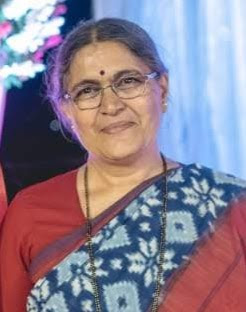
Prof. Vidya Deshpande
Professor Vidya Deshpande has had a journey of more than four decades in the field of education. Her main expertise is in the subject of Philosophy, and she has worked as a teacher of philosophy and logic with Nowrosjee Wadia college for 36 years. She has been associated with the Janakalyan Blood bank for last for 38 years and has also carried out the responsibility as a management committee member of Karve Stree Shikshan Sanstha for 10 years. Her special fields of interest are Philosophy of social sciences, school education, development of skills for self reliance, and top up skills to make students profession ready,